In an era where our wrists buzz with notifications, our sleep is meticulously tracked by headbands, and our glasses can overlay digital information onto the real world, a critical question demands our attention: are we trading our long-term well-being and personal privacy for the allure of real-time data and convenience? The global embrace of wearable technology is nothing short of a revolution, promising a future of hyper-optimized health and seamless connectivity. But beneath the sleek surfaces and glowing interfaces lies a complex web of potential hazards that every user must understand. This isn't a call to abandon technology but a crucial guide to navigating its risks intelligently, ensuring that the devices designed to enhance our lives don't end up compromising them.
The Spectrum of Wearable Technology
Before dissecting the safety concerns, it's vital to appreciate the vast ecosystem we're discussing. Wearable devices are no longer just simple step counters. The category now encompasses a staggering array of technology:
-
Health and Fitness Trackers: Wrist-worn devices that monitor heart rate, steps, calories burned, sleep stages, and blood oxygen levels.
-
Smartwatches: Multi-functional computers on the wrist, offering communication, app integration, and advanced health monitoring like electrocardiograms (ECG) and fall detection.
-
Hearables: Advanced wireless earbuds that often include fitness tracking, real-time language translation, and augmented audio experiences.
-
Smart Clothing: Garments with embedded sensors to monitor muscle activity, posture, and breathing patterns.
-
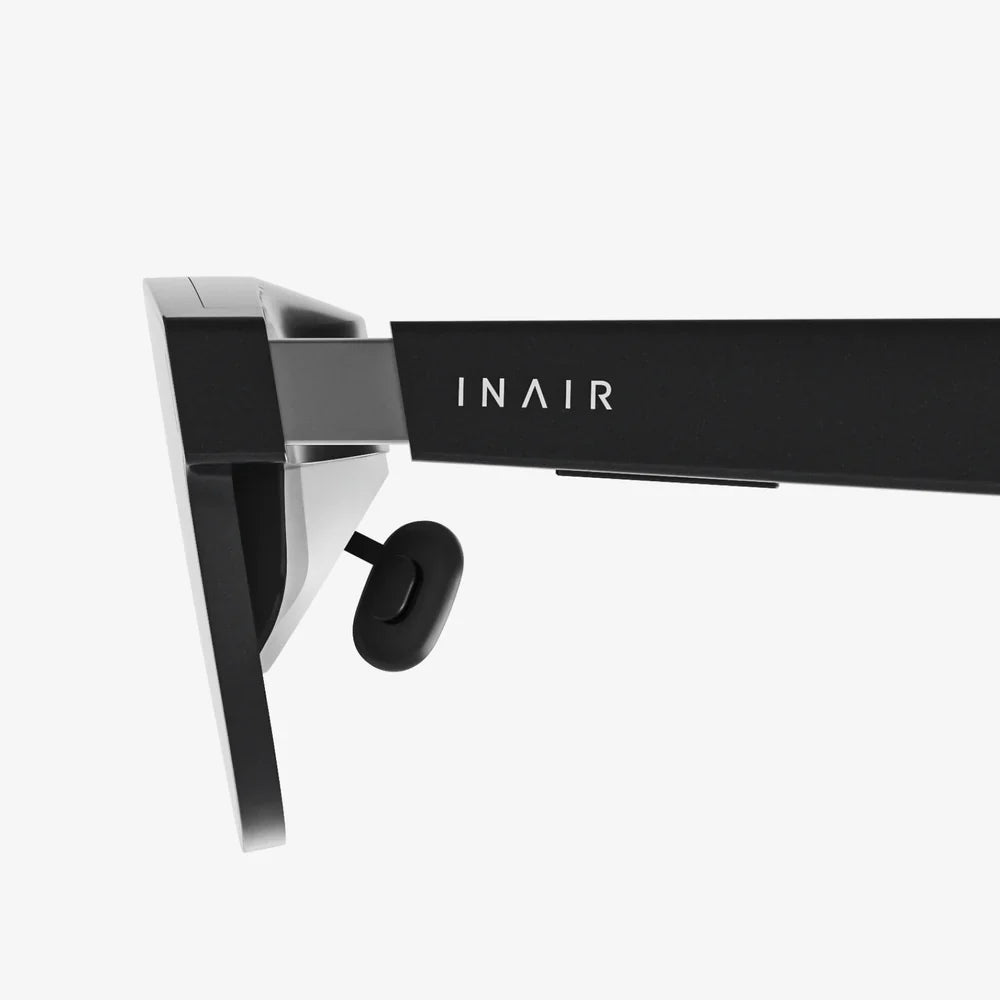
Smart Glasses and Augmented Reality (AR) Headsets: Devices that project digital information onto the user's field of view, blending the physical and digital worlds.
-
Medical and Clinical-Grade Wearables: FDA-approved devices for continuous glucose monitoring, remote patient monitoring, and managing chronic conditions.
This diversity means that the question of safety is not a simple yes or no. The risks associated with a medical device regulating a insulin pump are vastly different from those of a pair of fitness-tracking earbuds. Our exploration must therefore be nuanced, addressing the distinct concerns across this technological spectrum.
Physical Health and Biological Safety: Radiation, Skin, and More
The most immediate safety concerns for many users are biological. Is the device harming my body?
Radiofrequency (RF) Radiation Exposure
This is arguably the most debated topic. Wearables, particularly those with cellular or constant Bluetooth connectivity, emit low levels of non-ionizing radiofrequency (RF) radiation. Unlike the high-energy ionizing radiation from X-rays or gamma rays, non-ionizing RF radiation lacks the energy to directly damage DNA. Regulatory bodies like the FCC in the United States set Specific Absorption Rate (SAR) limits, which measure the rate at which the body absorbs this energy.
While most devices comply with these limits, the long-term, 24/7 nature of exposure is a new phenomenon. Some scientific studies have suggested potential links between chronic low-level RF exposure and other biological effects, though a conclusive causal relationship with serious illness like cancer remains unproven and is a subject of ongoing research. The scientific consensus, as held by organizations like the WHO and the American Cancer Society, is that the current evidence does not confirm any substantial health risks from low-level RF exposure within regulatory limits. However, the precautionary principle leads some experts to advise minimizing unnecessary exposure, such as taking the device off at night or increasing the distance between the device and your body when possible.
Skin Irritation and Dermatological Reactions
A more common and proven issue is contact dermatitis. The materials used in device bands—often nickel, acrylates, rubber, or dyes—can cause allergic reactions, especially when sweat and moisture are trapped against the skin for prolonged periods. This can lead to redness, itching, rash, and sometimes blisters. The solution often involves choosing hypoallergenic materials, keeping the device and skin clean and dry, and ensuring a proper fit that allows the skin to breathe.
Musculoskeletal Discomfort and Eyestrain
For wearables like neck-worn cameras or heavy AR headsets, physical strain is a genuine concern. Poorly designed devices can cause neck pain, headaches, and poor posture. Similarly, AR and VR headsets can induce eyestrain, motion sickness, and disorientation, particularly during extended use. It's crucial to follow manufacturer guidelines on usage duration and take frequent breaks.
Data Accuracy and Medical Misinterpretation
A different kind of physical risk arises from data inaccuracy. While most consumer wearables are not marketed as medical devices, users often rely on their data for health decisions. An inaccurately low heart rate reading might cause someone to ignore concerning symptoms, while a falsely high reading could trigger unnecessary anxiety or a trip to the emergency room. Users must understand that these are informational tools, not diagnostic instruments, and any concerning data should be validated with certified medical equipment and discussed with a healthcare professional.
The Privacy Abyss: Your Data as the New Currency
If the physical risks are often ambiguous, the digital and data privacy risks are starkly clear and present. The true product of many tech companies is not the hardware you buy but the data you generate by using it.
The Unprecedented Data Harvest
A modern wearable is a biometric data vacuum. It can collect a breathtakingly intimate portrait of your life:
-
Biometric Data: Heart rate variability, sleep patterns, blood oxygen levels, temperature, menstrual cycles, electrodermal activity (stress).
-
Location Data: Your precise movements throughout the day, your home, your workplace, your gym, the schools your children attend.
-
Behavioral Data: Your activity levels, exercise routines, dietary logs (if connected to an app), and even your social interactions (through communication logs).
Individually, these data points are valuable. Aggregated, they form a digital twin that can predict your behavior, your health predispositions, and your emotional state with alarming accuracy.
The Opaque Data Economy
The central privacy danger lies in how this data is used, shared, and sold. Privacy policies are often long, complex, and intentionally vague. Users frequently grant blanket consent without realizing they are permitting their health data to be:
-
Monetized: Sold to or shared with third-party data brokers who create profiles for targeted advertising.
-
Used for Insurance and Employment: While there are some legal protections, the potential for this data to be used by health or life insurance companies to adjust premiums, or by employers to make hiring and promotion decisions, is a serious concern.
-
Stolen in a Breach: Centralized repositories of health data are high-value targets for hackers. A breached credit card can be canceled; a breached genome or health history cannot.
Cybersecurity Threats: When Your Watch Becomes a Backdoor
Beyond data harvesting, the connectivity of wearables introduces tangible cybersecurity risks. A vulnerable device can serve as a gateway to your entire digital life.
Vulnerabilities and Exploits
Like any internet-connected device, wearables can contain software vulnerabilities. A hacker could potentially:
- Intercept unencrypted data transmitted between the device and its paired smartphone or cloud server.
- Gain access to the connected smartphone, exploiting the trust relationship between the devices.
- For medical devices like insulin pumps or pacemakers, the theoretical risk of a life-threatening remote attack, while extremely rare, has been demonstrated by security researchers to highlight critical vulnerabilities.
The Internet of Things (IoT) Threat Landscape
Wearables are part of the broader IoT ecosystem, which is notoriously insecure. Many manufacturers prioritize speed-to-market over security, leaving devices with weak default passwords, unpatched vulnerabilities, and inadequate encryption. This can turn a simple fitness tracker into a node in a botnet or a tool for corporate espionage if it enters a workplace.
Navigating the Risks: A User's Guide to Safe Wearable Use
Confronted with these risks, informed and proactive use is your best defense. You don't need to forgo technology; you need to master it.
Fortifying Your Digital Defenses
-
Scrutinize Privacy Settings: Don't just click "Agree." Dive into the privacy and security settings of the companion app and associated accounts. Disable unnecessary data sharing, limit location tracking to only when the app is in use, and revoke permissions that feel excessive.
-
Demand Transparency: Choose companies with a clear and reputation-conscious approach to privacy. Look for those that allow you to download and delete your data and are transparent about their data-sharing practices.
-
Practice Cyber Hygiene: Use strong, unique passwords for your accounts. Enable two-factor authentication (2FA) wherever possible. Keep the device's firmware and companion app updated to ensure you have the latest security patches.
-
Think Before You Connect: Be cautious about which third-party apps you connect to your wearable data. Each connection is a potential new vector for a data leak.
Protecting Your Physical Well-being
-
Practice Moderation: You don't need to wear your device 24/7. Give your skin a break and reduce RF exposure by taking it off during sleep, showers, or when you're simply relaxing.
-
Listen to Your Body: If you experience skin irritation, try a different band material. If you get headaches from a headset, take more frequent breaks. Your body's signals are more important than the device's data.
-
Maintain Perspective: Use the data as a guide, not a gospel. It is a tool for empowerment, not a source of anxiety. Avoid the trap of "quantified self" obsession, where every metric becomes a source of stress.
The Future of Wearable Safety: Regulation and Responsibility
The onus of safety cannot lie with the consumer alone. Stronger regulatory frameworks are urgently needed. Current regulations, like the GDPR in Europe, provide a foundation, but laws often lag behind the pace of innovation. We need:
-
Clearer Classification: Stricter distinctions and labeling between general wellness products and actual medical devices to prevent consumer confusion.
-
Data Minimization Laws: Regulations that enforce the principle of collecting only the data absolutely necessary for the stated function of the device.
-
Stronger Security Standards: Mandatory cybersecurity protocols for all connected devices, similar to the upcoming EU Cyber Resilience Act.
-
Ethical Guidelines: Industry-wide standards for the ethical use of biometric data, preventing its use for discriminatory practices in insurance, employment, and lending.
The shimmering promise of wearable technology is real, offering insights into our health and connectivity that were once the realm of science fiction. Yet, this power comes with a profound responsibility—for manufacturers to prioritize ethics and security, for regulators to create robust guardrails, and ultimately, for us, the users, to open our eyes to the trade-offs. The safest wearable experience isn't found in a single brand or feature; it's forged through awareness, critical thinking, and a conscious choice to control the technology rather than be controlled by it. The data on your wrist tells a story about you; make sure you're the one writing the final chapter.