


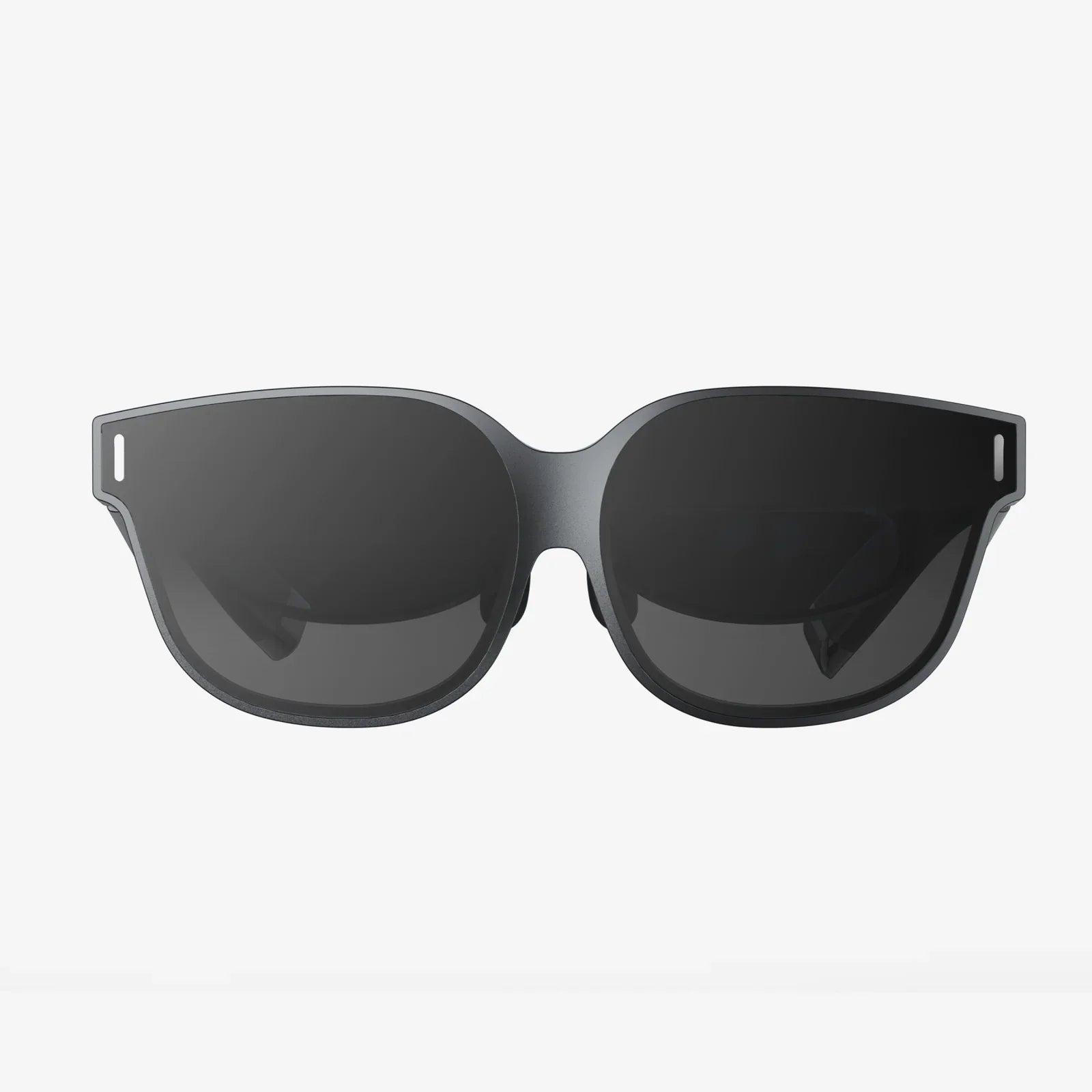
Imagine a world where your watch doesn't just tell time—it tells you you’re about to get sick, warns you of an oncoming panic attack, or guides you through a complex repair job with augmented reality overlays. This isn't a scene from a science fiction novel; it is the imminent reality being forged by the powerful fusion of artificial intelligence and wearable devices. This technological marriage is moving us beyond simple step counters and notification relays, creating an era of truly intelligent companions that understand, predict, and enhance our lives in ways previously unimaginable. The next great leap in personal technology is not in your pocket; it’s on your wrist, in your ears, and woven into the very fabric of your clothing.
From Passive Tracking to Proactive Intelligence
The journey of wearable technology began with rudimentary data collection. Early devices were fundamentally loggers, passively recording steps taken, heart rates, and sleep cycles. They provided a rearview mirror look at our health and habits, offering data without true insight. The individual was left with the daunting task of interpreting what a spike in heart rate or a restless night truly meant. The introduction of artificial intelligence has been the pivotal moment, transforming these passive gadgets into active partners.
At its core, an AI-powered wearable device is defined by its ability to learn, reason, and act. It moves beyond pre-programmed responses, leveraging vast datasets and sophisticated algorithms to generate personalized, contextual, and predictive insights. This intelligence is powered by a combination of on-device processing and cloud-based neural networks, creating a seamless flow of information that respects both speed and privacy.
- Machine Learning (ML): This is the engine of intelligence. ML algorithms continuously analyze the biometric and environmental data streams from sensors—optical heart rate monitors, accelerometers, gyroscopes, microphones, temperature sensors, and electrodermal activity sensors. Over time, these algorithms learn the user's unique baselines and patterns, enabling them to detect subtle anomalies that signify a change in health status, stress levels, or even emotional state.
- Natural Language Processing (NLP): Integrated into hearables like smart earbuds, NLP allows for real-time translation, transcription, and nuanced voice assistant interactions. Your headphones can become a personal translator during a foreign business meeting or a discreet assistant taking notes for you.
- Computer Vision: For wearables like smart glasses, AI-driven computer vision can overlay digital information onto the physical world, identifying objects, providing instructions, or highlighting potential hazards in a factory setting.
Revolutionizing Personalized Healthcare and Well-being
The most profound impact of AI wearables is undoubtedly in the realm of health. This technology is shifting the medical paradigm from reactive treatment to proactive and preventative care, democratizing access to continuous health monitoring.
The Predictive Bodyguard
Modern AI wearables are becoming our first line of defense against medical emergencies. By establishing a deep understanding of an individual's cardiovascular rhythm, these devices can now analyze heart rate variability, rhythm irregularities, and blood oxygen levels to screen for conditions like atrial fibrillation (AFib) with remarkable accuracy. The device doesn't just record an event; it can provide an early warning, prompting the user to seek medical attention long before a catastrophic event like a stroke occurs.
Mental and Emotional Well-being
The frontier of mental health is being actively explored. AI algorithms can correlate physiological data—such as changes in voice tone (detected by a microphone), heart rate, and sleep quality—with patterns of stress, anxiety, and depression. A device might detect the early physical signs of an anxiety attack and prompt the user to initiate a guided breathing exercise or a short meditation session, effectively helping to mitigate the episode before it peaks. This provides an objective, measurable window into mental well-being, reducing the stigma and enabling more timely interventions.
Chronic Disease Management
For millions managing chronic conditions like diabetes, hypertension, or sleep apnea, AI wearables offer a new level of autonomy and control. Continuous glucose monitors (CGMs) paired with AI can predict blood sugar highs and lows, suggesting dietary or activity adjustments. Similarly, wearables can monitor blood pressure trends and sleep patterns, providing patients and their doctors with rich, long-term data far superior to a single reading taken during an annual check-up.
Enhancing Human Performance and Safety
Beyond healthcare, the applications for augmenting human capability and ensuring safety are vast and varied.
The Industrial and Corporate Workspace
In high-risk environments like construction sites, manufacturing plants, and mining operations, AI-powered wearables are saving lives. Smart helmets and vests can monitor workers' vital signs for signs of heat stress or fatigue, alerting them and a supervisor to take a break. Computer vision-equipped glasses can overlay schematics for complex assembly tasks, reducing errors and training time. Furthermore, these devices can detect dangerous gases, falls, or impacts and automatically trigger alerts for emergency assistance.
The Everyday Guardian
For the general public, safety features are becoming a key differentiator. Wearables can now detect hard falls or car crashes with high precision, automatically connecting to emergency services and providing location data if the user is unresponsive. For women and vulnerable populations, discreet wearables can be configured to send an alert and live location to trusted contacts if they feel threatened, adding a powerful layer of personal security.
The Invisible Architecture: Sensors, Edge AI, and Privacy
The magic of an AI wearable is built upon a complex and often invisible architecture of hardware and software.
The sophistication begins with a suite of advanced sensors collecting a symphony of data: photoplethysmography (PPG) sensors for blood flow, bioimpedance sensors for body composition, MEMS accelerometers for movement, and micro-electromechanical systems (MEMS) microphones for audio context. This raw data is the fuel for the AI engine.
A critical evolution has been the shift towards edge AI—processing data directly on the device itself rather than constantly sending it to the cloud. This approach offers two monumental advantages:
- Speed and Reliability: On-device processing enables real-time analysis and instant feedback, which is crucial for health alerts and safety features where a millisecond of latency is unacceptable. It also ensures functionality in areas with poor or no connectivity.
- Privacy and Security: By anonymizing and processing sensitive health and location data locally, the risk of mass data breaches and unauthorized surveillance is significantly reduced. Users can benefit from powerful insights without their most personal information being transmitted and stored on external servers.
However, the privacy debate is far from settled. The sheer intimacy of the data collected—from your sleep patterns to your emotional state—raises critical questions. Who owns this data? How is it being used by manufacturers or third parties? Can it be used by insurance companies to adjust premiums? Robust, transparent data governance and clear regulatory frameworks are not just advisable; they are essential for the ethical and sustainable growth of this industry.
Navigating the Challenges and Ethical Considerations
The path forward for artificial intelligence wearable devices is not without significant hurdles. Beyond privacy, several challenges must be addressed:
- Algorithmic Bias: AI models are only as good as the data they are trained on. If training datasets lack diversity, the algorithms can become biased, leading to inaccurate readings or recommendations for underrepresented demographic groups, such as people of color or those with specific health conditions.
- Regulatory Hurdles: As these devices make more health claims, they are increasingly crossing into the territory of medical devices, requiring rigorous approval from bodies like the FDA. Navigating this process is complex and time-consuming but necessary to ensure efficacy and safety.
- Battery Life and Hardware Limitations: Advanced sensors and on-device AI processing are power-hungry. Balancing powerful features with all-day battery life remains a significant engineering challenge.
- The "Black Box" Problem: Sometimes, the reasoning behind an AI's recommendation can be opaque. For a user told they are at risk of a heart event, understanding the "why" is as important as the alert itself. Developing explainable AI is crucial for building trust.
The Future Horizon: Where Do We Go From Here?
The next decade will see AI wearables become even more integrated, intuitive, and indispensable. We are moving towards a future of "zero UI" or invisible computing, where technology recedes into the background of our lives.
We can anticipate the rise of advanced smart fabrics, where clothing itself becomes the sensor-laden device, monitoring posture, muscle exertion, and hydration levels for athletes and physical therapy patients. Neural interfaces, while in early stages, promise a future where wearables can interpret neural signals, potentially helping paralyzed individuals control devices or restoring sensory functions.
The ultimate goal is a closed-loop system: a wearable that not only diagnoses a problem but also acts to treat it. Imagine a device that detects an oncoming migraine and automatically releases a microdose of medication, or one that regulates the nervous system to prevent a panic attack. This seamless integration of diagnosis and intervention represents the holy grail of personalized medicine.
The convergence of artificial intelligence and wearable technology is more than a trend; it is a fundamental shift in the relationship between humans and machines. We are building externalized nervous systems—digital companions that know us better than we know ourselves. They promise a future of unprecedented health, safety, and human potential. The device on your wrist is quietly listening to the story your body is telling, and soon, it will not just listen—it will answer back, guide, and protect in a continuous, intelligent dialogue that redefines what it means to live a connected life.
Share:
How Did Wearable Technology Start: A Journey From Abacus Rings to AI Glasses
AR Smart Glasses Comparison 2025: The Ultimate Guide to the Next Generation of Wearables