


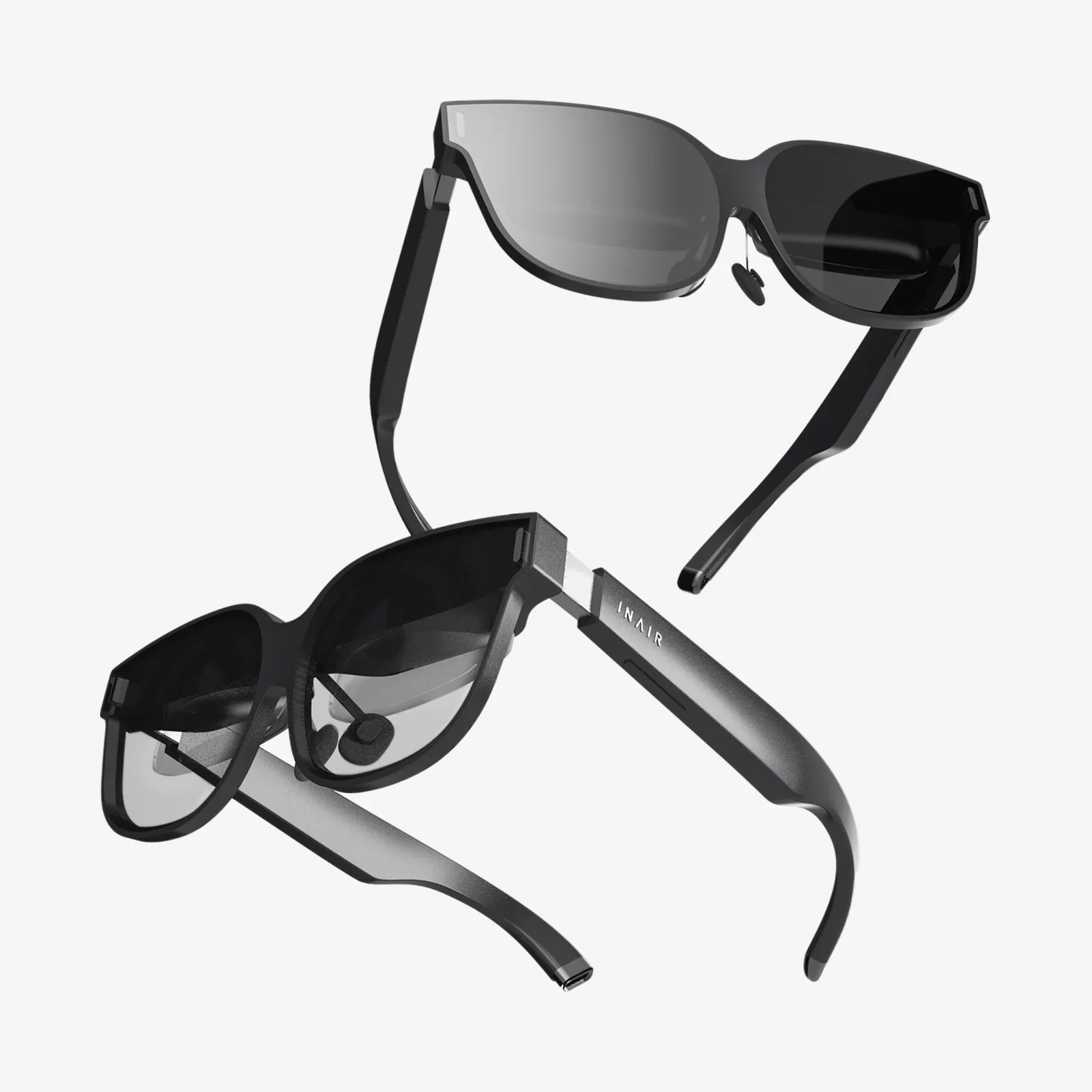
You’ve seen the commercials: a family gasps in awe, a teenager jumps with excitement, all while wearing sleek, futuristic headsets that promise to transport them to another world from their living room. The allure of 'As Seen On TV' virtual reality goggles is undeniable, offering a tantalizingly simple and affordable portal to digital dimensions. But what lies behind the glossy infomercials and bold claims? This deep dive separates the virtual fantasy from the tangible reality, exploring how these products have shaped public perception and carved out a unique niche in the rapidly evolving world of immersive technology.
The Allure of the Infomercial: Selling the Dream
The marketing playbook for these devices is a masterclass in aspiration. The commercials are meticulously crafted to bypass skepticism and target pure emotion. They showcase a vision of VR that is frictionless, instantly gratifying, and universally enjoyable. The message is clear: cutting-edge technology, once exclusive and complex, is now accessible to everyone. This powerful narrative taps into a deep-seated desire to be part of the future, making the purchase feel less like buying a gadget and more like buying a ticket to the next frontier of entertainment.
Demystifying the Technology: What's Actually in the Box?
To understand these products, one must first look past the marketing and examine the core technology. The vast majority of 'As Seen On TV' offerings are not the high-powered, PC-tethered devices used by enthusiasts and professionals. Instead, they fall into a category often referred to as mobile VR or smartphone-based VR.
The typical headset is a lightweight shell, usually made from plastic, with a pair of lenses and a comfortable head strap. The true magic—or processing power—comes from the user's own smartphone. The device slots into a compartment in the headset, its screen transforming into the stereoscopic display that creates the 3D illusion. The lenses then focus and reshape this image, filling the user's field of view. This elegant, if simple, solution is the key to their low cost. The headset itself is just a holder; the smartphone does all the heavy lifting.
The Experience: First Steps into Virtual Worlds
For a first-time user, the experience can be genuinely impressive. The initial "wow" factor of being surrounded by a 360-degree video or a simple game is powerful. It provides a basic but effective understanding of VR's core promise: presence. Users can look up at digital skies, down into virtual chasms, and behind them to see a fully rendered world. This initial thrill is what the commercials capture so effectively.
However, the experience is often defined by its limitations. The graphical fidelity is limited by the smartphone's screen resolution and processing power. Experiences can be pixelated, and a low refresh rate can lead to latency—a delay between the user's head movement and the movement of the image—which is a primary cause of motion sickness, or "simulator sickness," in VR. Furthermore, these headsets typically lack advanced features like positional tracking (the ability to lean in or move around in a virtual space), which is a standard feature on more advanced systems. The interaction is often limited to a single button on the headset or a basic Bluetooth controller, restricting the complexity of the software.
The Content Ecosystem: What Can You Actually Do?
The value of any VR platform is inextricably linked to the content available for it. For smartphone-based VR, the primary portal is the app store connected to the user's mobile device. Here, users can find a mix of content:
- 360-Degree Videos: These are perhaps the most popular application. Users can experience pre-recorded videos from perspectives ranging from the edge of a volcano to the middle of a concert stage.
- Simple Games: A plethora of basic games are available, often involving shooting galleries, puzzle rooms, or roller coaster simulators. They are fun for short bursts but lack the depth of titles designed for more powerful systems.
- Experiential Apps: These include virtual tours of museums, real estate walkthroughs, and educational apps that allow users to explore the human body or the solar system.
The quality varies wildly, from professionally produced content to low-budget experiments. Finding truly compelling, high-quality experiences requires sifting through a sea of mediocre offerings.
The Gateway Drug: An On-Ramp to High-End VR
Despite their limitations, the role these affordable headsets have played in the VR industry cannot be understated. For millions of people, they served as a crucial and low-risk entry point. They demystified the technology, introduced the core concept of immersive digital spaces, and sparked curiosity. For a significant portion of the market, a simple mobile headset was their first encounter with VR, a gateway experience that often led to a deeper interest in the technology. Many of today's dedicated VR enthusiasts took their first steps with a simple, smartphone-based device, an experience that ultimately fueled their decision to invest in a more sophisticated and expensive setup.
Navigating the Market: A Buyer's Guide to Affordable VR
For a consumer intrigued by the commercials, making an informed decision is key. It's vital to manage expectations. These are not devices that will deliver the hyper-realistic, fully interactive worlds seen in science fiction. They are best viewed as introductory tools or portable media viewers. When considering a purchase, research is essential. Look beyond the infomercial and seek out independent reviews and video demonstrations that show the actual user experience. Pay close attention to the specifications: the type of headset strap (rigid straps are generally more comfortable than elastic ones), the quality of the lenses (aspheric lenses reduce distortion), and phone compatibility (ensuring your specific smartphone model fits correctly is crucial).
The Future of Accessible VR: Where Do We Go From Here?
The landscape of affordable VR is evolving rapidly. The era of the purely passive, smartphone-dependent headset is gradually giving way to a new generation of standalone VR devices. These all-in-one systems contain their own processors, displays, and batteries, eliminating the need for a phone or a powerful computer. While initially more expensive than the simplest 'As Seen On TV' models, their prices are becoming increasingly consumer-friendly. They offer a massive leap in capability, featuring full positional tracking, advanced motion controllers, and access to a much richer library of games and applications. This represents the natural progression of the democratization of VR that the simpler headsets started.
They proved there was a massive appetite for affordable immersion, and the industry has responded by building increasingly powerful and accessible hardware to meet that demand. The dream sold by those early infomercials—of easy, convenient, and powerful virtual reality—is finally becoming a reality, just not in the way the original products envisioned.
So, the next time a commercial flashes across your screen promising unbelievable virtual adventures for a surprisingly low price, you'll know the whole story. These goggles were not the final destination for VR, but they were an important and fascinating stepping stone. They opened the door for a generation, proving that the desire to explore virtual worlds is universal, and setting the stage for the truly transformative immersive experiences that are now finally within our reach.
Share:
Long Term Effects of Virtual Reality: An In-Depth Exploration of Our Digital Future
Virtual Reality Headset Comparison 2025: The Ultimate Buyer's Guide