


- by wangfred
Audio Glasses Prescription: The Ultimate Guide to Hearing and Seeing in Style
- by wangfred
Imagine a world where your morning routine no longer involves the frantic search for misplaced earbuds, where your essential eyewear does more than just help you see clearly—it immerses you in a crystal-clear soundscape, all without isolating you from the environment. This isn't a glimpse into a distant future; it's the reality offered by the revolutionary integration of audio glasses prescription technology. This single, elegant device is quietly dismantling the barriers between vision correction and personal audio, offering a compelling alternative to the ubiquitous and often uncomfortable world of traditional headphones and earbuds. For anyone who relies on glasses to navigate their day, this innovation represents a monumental leap in convenience, comfort, and technological sophistication, merging two daily essentials into one seamless experience.
The journey to audio glasses prescription began with the parallel evolution of two distinct fields: ophthalmology and consumer audio. For decades, eyeglasses have been refined for better aesthetics, lighter materials, and improved lens technology. Simultaneously, personal audio moved from bulky headphones to discreet earbuds, each generation promising better sound and noise cancellation. However, a fundamental problem persisted for glasses wearers: the physical incompatibility. In-ear monitors (IEMs) can cause discomfort when combined with the arms of glasses, pressing them against the skull. Over-ear headphones create pressure on the frames, leading to pain and often requiring constant readjustment. Audio glasses prescription technology elegantly solves this conflict by embedding the audio system directly into the eyewear itself, eliminating the need for separate devices entirely.
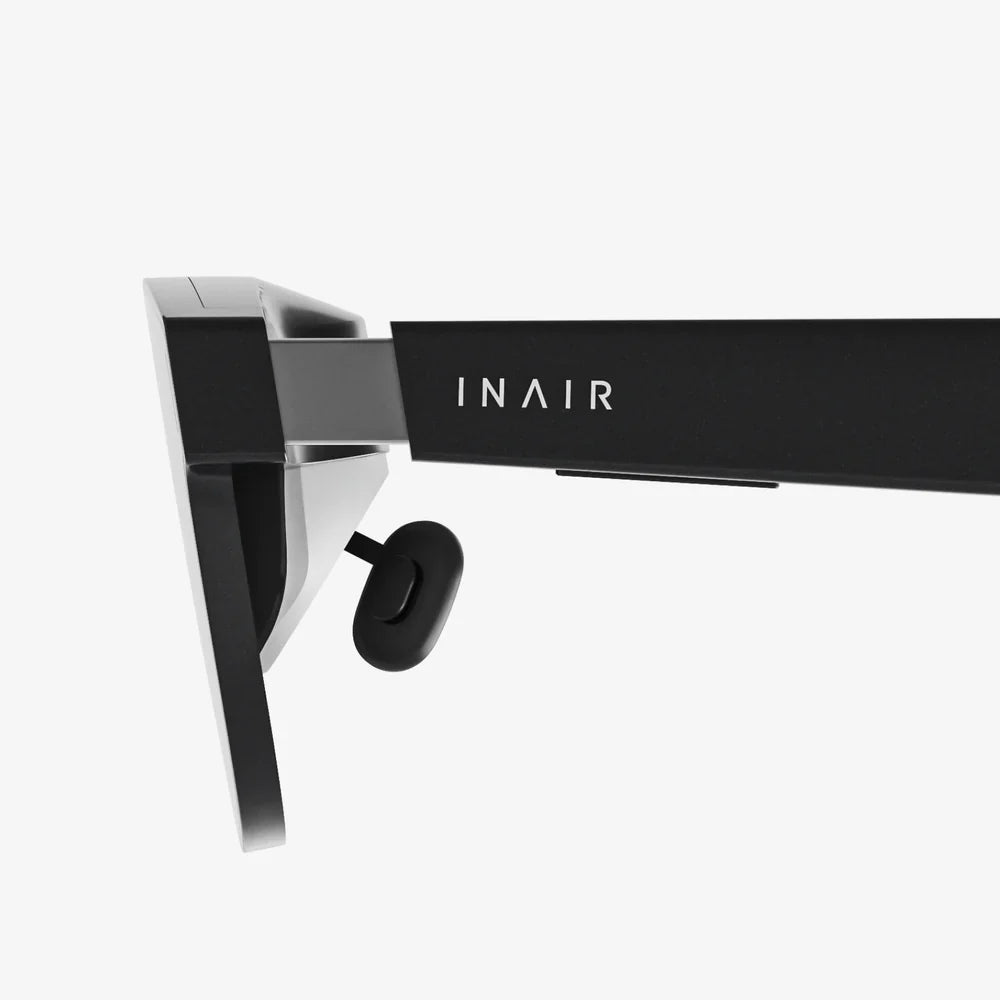
At first glance, a pair of audio glasses prescription looks remarkably like a standard, stylish pair of spectacles. The magic is hidden within the frame's architecture. The key components include:
The result is a device that feels like ordinary glasses but functions as a sophisticated audio hub, connecting wirelessly to smartphones and other devices.
The appeal of audio glasses prescription extends far beyond simply cutting down on the number of gadgets you carry. The benefits are profound and touch on aspects of health, safety, and social interaction.
This is arguably the most significant advantage. Traditional noise-canceling earbuds create a seal that isolates the user from their environment, which can be dangerous for cyclists, runners, or even someone walking on a busy street. Audio glasses prescription keep the ears completely free, allowing all environmental sounds to be heard naturally. You can enjoy your audio content and still hear a car approaching, a colleague calling your name, or an important station announcement during your commute.
The dreaded "ear fatigue" from prolonged earbud use or the pressure headaches caused by headphones pressing glass frames into your head are completely eliminated. Since the audio system is built into a device already designed for all-day wear, the comfort level is exceptional. The weight distribution is familiar, and there are no additional elements causing pressure points.
In many social and professional settings, wearing visible earbuds can be perceived as rude or disengaged. Audio glasses prescription are discreet. To an observer, you are simply wearing your glasses. You can take a call or listen to a briefing without visibly inserting a device into your ear, allowing for more seamless and polite interactions in open-plan offices, meetings, or social gatherings.
Certain users find these glasses particularly transformative:
Acquiring audio glasses prescription is a blend of a traditional optometrist visit and purchasing a tech gadget. The process is straightforward but requires attention to detail.
As with any emerging technology, it's important to have realistic expectations. The open-ear design means that in very loud environments, like a roaring subway car, you may need to turn the volume up higher than with sealed earbuds to hear clearly, and there is a potential for sound leakage at very high volumes, though it's minimal at normal listening levels. Furthermore, while the audio quality is excellent for spoken word content like calls and podcasts and more than sufficient for music for most casual listeners, audiophiles seeking deep, thunderous bass might still prefer high-end, sealed headphones. Battery life, while adequate for a full day of use, is another factor to consider versus the marathon endurance of some wireless earbuds with their charging cases.
The development of audio glasses prescription is not the endgame; it's the foundation. This platform opens the door to a new era of augmented reality (AR) and assistive technologies. Imagine lenses that can display visual information directly into your field of view—navigation arrows on the street, real-time translations of foreign text, or the name of a person you just met. For those with hearing impairments, advanced directional microphones could amplify specific conversations in a crowded room. The fusion of audio, visual correction, and augmented data into a single, socially acceptable device worn on the face represents the next logical step in the evolution of personal technology, moving beyond the phone in your pocket to a more integrated and intuitive interface with the world.
Stepping out the door with your keys, wallet, phone, and a single device that handles both your vision and your audio needs isn't just a fantasy—it's the new reality crafted by audio glasses prescription technology. This isn't merely an upgrade to your headphones; it's a fundamental rethinking of how we interact with technology, prioritizing seamless integration, personal safety, and effortless style. By combining two daily essentials, they free us from the clutter of gadgets and the physical discomfort of competing devices, offering a glimpse into a future where our technology adapts to our lives so perfectly that it almost disappears, leaving only the enhanced experience behind. The next time you reach for your earbuds and feel your glasses arms dig in, remember: a smarter, more elegant solution is already here, waiting to open your eyes and ears to a new way of experiencing the world.
Share:
Office VR: The Next Frontier in Remote Work and Digital Collaboration
How Much Are VR Goggles? A Complete Price Breakdown Guide