


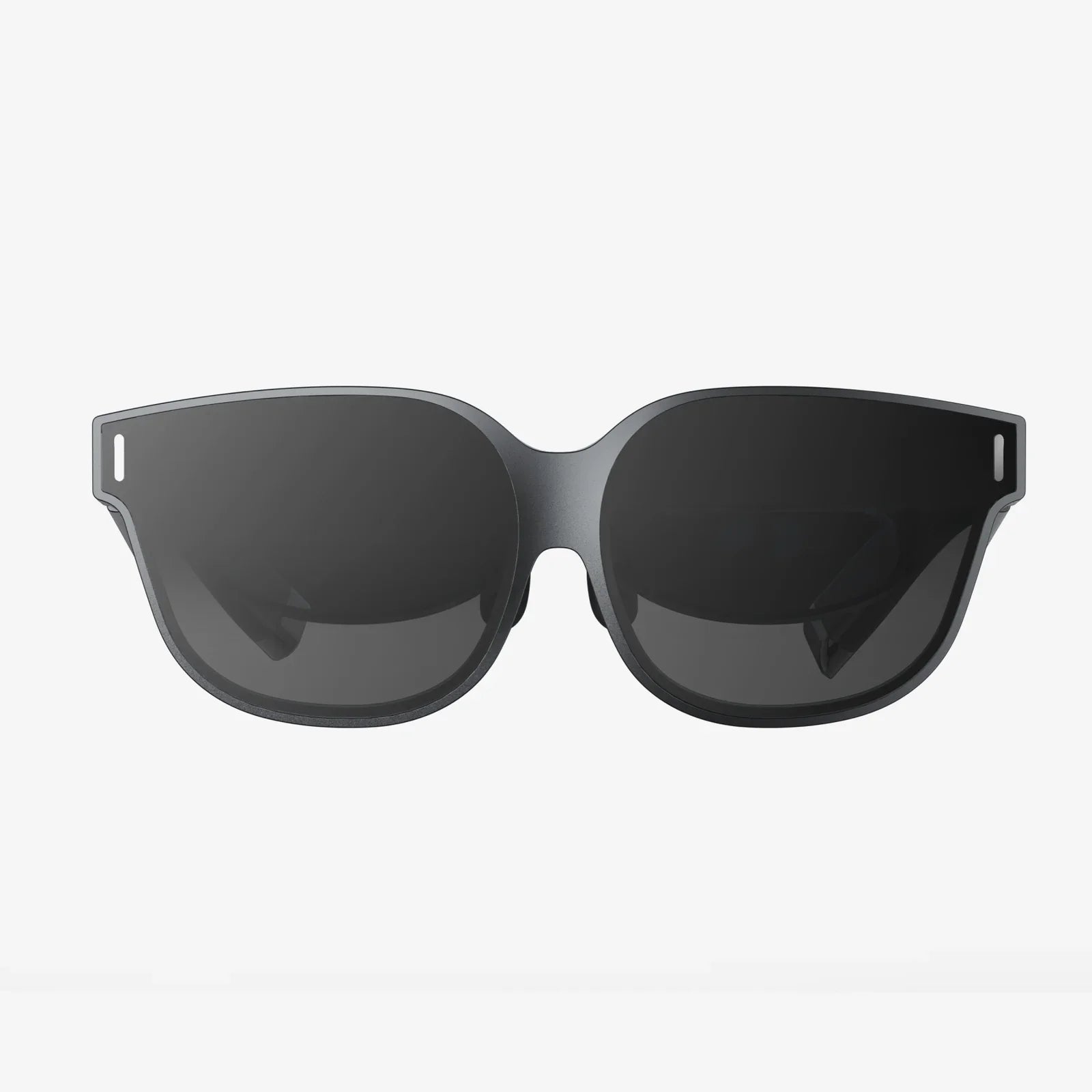
The digital veil between our world and others is thinning, not in the pages of science fiction, but on our headsets and in our hands. The augmented and virtual reality hardware market is no longer a speculative future; it is a burgeoning, multi-billion-dollar reality reshaping how we work, play, learn, and connect. This analysis dives deep into the engines of this transformation, dissecting the technologies, economic forces, and human aspirations driving one of the most dynamic sectors in modern technology. From enterprise-grade smart glasses to immersive consumer gaming rigs, the hardware is the critical gateway to these new digital dimensions, and its evolution is a story of breathtaking innovation and formidable challenges.
The Market Landscape: A Tale of Two Realities
While often grouped together, Augmented Reality (AR) and Virtual Reality (VR) represent distinct technological paths with different hardware requirements and market applications. Understanding this dichotomy is fundamental to any analysis.
Virtual Reality (VR) Hardware is designed for full immersion, completely replacing the user's field of view with a computer-generated environment. This category is dominated by head-mounted displays (HMDs), which can be broadly segmented into three classes:
- Tethered HMDs: These are high-performance devices, like the PC-connected and console-connected headsets, that offer the most powerful processing, superior graphics, and advanced tracking. They are the cornerstone of high-end gaming and professional simulations but require a connection to an external computer.
- Standalone HMDs: These all-in-one devices have onboard computing, sensors, and batteries, offering untethered freedom and a more accessible user experience. They have become the dominant force in the consumer market, driving mass adoption through ease of use and affordability.
- Smartphone-Based HMDs: Utilizing a smartphone's screen and sensors, these lower-cost headsets were an early entry point but have significantly declined in market share as standalone devices have improved in capability and dropped in price.
Augmented Reality (AR) Hardware overlays digital information onto the user's view of the physical world. This market is more fragmented, with hardware ranging from consumer-grade to enterprise-specific:
- Smart Glasses: These are the archetypal AR devices, aiming for a glasses-like form factor. The market here splits between consumer-centric models, focused on notifications and basic information, and ruggedized, powerful enterprise-grade glasses used for complex tasks like remote assistance, logistics, and manufacturing.
- Heads-Up Displays (HUDs): These are primarily vehicle-integrated systems that project information like speed and navigation onto the windshield, creating a driving augmented reality experience.
- Headsets and Helmets: In industrial and military settings, more robust head-mounted systems are used for training and operations, offering hands-free access to critical data in challenging environments.
Key Market Drivers and Growth Catalysts
The explosive growth forecast for the AR and VR hardware market is not happening in a vacuum. It is propelled by a powerful confluence of technological advancement, evolving consumer behavior, and pressing enterprise needs.
Technological Advancements
The hardware is only as good as the technology inside it. Breakthroughs in several fields are creating a virtuous cycle of improvement:
- Display Technology: The shift from LCD to OLED and the emergence of MicroLED offer higher resolutions, faster refresh rates, and better power efficiency, directly combating issues like screen-door effect and latency that cause user discomfort.
- Optics: Innovations like pancake lenses are making headsets significantly thinner and lighter, while techniques such as holographic waveguides are crucial for creating sleek, socially acceptable AR glasses.
- Tracking and Sensors: Inside-out tracking, using onboard cameras and sensors instead of external base stations, has been a game-changer for accessibility. Eye-tracking and facial expression capture are adding new layers of immersion and enabling advanced features like foveated rendering, which drastically improves performance by rendering only the user's focal point in high detail.
- 5G Connectivity: The low latency and high bandwidth of 5G networks are unlocking cloud-based AR and VR experiences, potentially offloading intensive processing from the device itself and enabling complex multi-user applications.
The Enterprise Metaverse and Industrial Applications
While consumer gaming grabs headlines, the enterprise sector is arguably the most robust and immediate driver of AR hardware adoption. Companies are realizing tangible returns on investment (ROI) from deploying this technology:
- Training and Simulation: VR allows for safe, repeatable, and cost-effective training for high-risk jobs like surgery, aircraft piloting, and equipment operation. Trainees can make mistakes without real-world consequences.
- Remote Assistance and Collaboration: An expert located thousands of miles away can see what a field technician sees through AR glasses, annotate their field of view, and guide them through complex repairs, reducing travel costs and downtime.
- Design and Prototyping: Automotive and architectural firms use VR to visualize and walk through full-scale models long before physical prototypes are built, streamlining the design process.
- Warehousing and Logistics: AR smart glasses can display picking lists, navigation paths, and inventory data directly in a worker's line of sight, dramatically improving accuracy and efficiency.
The Consumer Entertainment Engine
On the consumer side, VR gaming remains the primary catalyst. The success of a few flagship standalone headsets has created a thriving ecosystem of developers and a growing library of engaging content. Beyond gaming, social VR platforms are creating new venues for connection, and the potential for immersive fitness applications is a significant growth area. The promise of AR for interactive storytelling, live event enhancement, and new forms of mobile gaming continues to drive R&D investment from major tech players.
Barriers to Widespread Adoption
Despite the optimistic forecasts, the path to ubiquity is fraught with significant hurdles that the industry must overcome.
- The Form Factor Conundrum: For VR, the devices are still often considered too bulky, heavy, and isolating for prolonged use. For AR, the holy grail remains a pair of stylish, lightweight glasses that can deliver powerful functionality all day on a single charge. We are years away from this ideal.
- User Experience (UX) and Comfort: Issues like simulator sickness, often caused by latency or a mismatch between visual and physical motion, remain a problem for a segment of the population. Finding intuitive and comfortable input methods beyond controllers is also an ongoing challenge.
- Content and the "Killer App": While the content library is growing, the market still lacks a definitive, must-have application that would drive every household to purchase a device. The value proposition, especially for AR, needs to be crystal clear for the average consumer.
- Cost and Accessibility: High-end tethered VR setups require a powerful computer, representing a four-figure investment. Even standalone headsets represent a significant purchase for a non-essential entertainment device. Bringing costs down without sacrificing quality is a constant tension.
- Privacy and Security Concerns: AR glasses, in particular, raise profound questions about privacy, data collection, and social etiquette. The ability to constantly record one's surroundings presents legal and ethical dilemmas that society has yet to fully address.
Regional Analysis and Competitive Dynamics
The global AR and VR hardware market is a fierce battleground, with different regions exhibiting unique strengths.
- North America: A clear leader in terms of market share, driven by heavy investment in enterprise solutions, a strong gaming culture, and the presence of tech giants aggressively funding R&D and content creation.
- Asia-Pacific: This is the fastest-growing region, fueled by massive manufacturing capabilities, particularly in China and South Korea, and a vast, tech-savvy consumer base. Companies here are critical players in the supply chain for displays, sensors, and final assembly.
- Europe: Holds a strong position, with significant activity in industrial and automotive AR applications, backed by a robust manufacturing sector and leading research institutions.
The competitive landscape is a mix of established tech titans, specialized hardware manufacturers, and a vibrant ecosystem of startups focusing on niche applications. The strategies vary widely: some players are building closed ecosystems, tightly integrating hardware with their own software and content stores. Others are pursuing a more open approach, aiming to provide the foundational hardware platform for a broader range of developers. This competition is healthy, driving rapid innovation and pushing the entire industry forward.
Future Outlook: The Road to Ubiquity
The next five to ten years will be defined by the industry's race to solve its core challenges. We can expect to see:
- Convergence: The line between AR and VR will blur with devices offering "passthrough" capabilities, allowing users to switch between fully virtual and augmented experiences seamlessly. The concept of "Mixed Reality" (MR) will become the dominant paradigm.
- Miniaturization: Relentless progress in semiconductors, batteries, and optics will lead to progressively smaller, lighter, and more powerful devices. The goal of "normal-looking" AR glasses will gradually be realized.
- Contextual and AI-Powered Computing: AR devices will evolve from simple display terminals into intelligent companions. Powered by artificial intelligence, they will understand your environment and context to deliver information and assistance proactively and usefully.
- New Input Paradigms: Control will move beyond handheld controllers to voice commands, hand gestures, and ultimately, brain-computer interfaces (BCIs), making interactions more natural and intuitive.
The ultimate trajectory points toward a future where spatially aware, always-on AR glasses become as ubiquitous as smartphones, serving as our primary interface to a digital layer superimposed on the physical world. VR, meanwhile, will mature into the ultimate tool for deep immersion, telepresence, and accessing experiences impossible in reality.
Imagine a world where your field of vision becomes your canvas for productivity, your window to remote locations, and your portal to boundless entertainment. The hardware to make this a reality is being forged in labs and factories today, and its evolution will fundamentally redefine our relationship with technology itself. The next computing platform isn't on your desk or in your pocket; it's being built to sit on your face, and its market potential is as vast as human imagination.
Share:
Virtual Reality Player for iPhone: The Ultimate Guide to Unlocking Immersive Content in Your Pocket
Ultra Wide Screen Monitor Resolution: The Definitive Guide to Pixel Density and Immersion