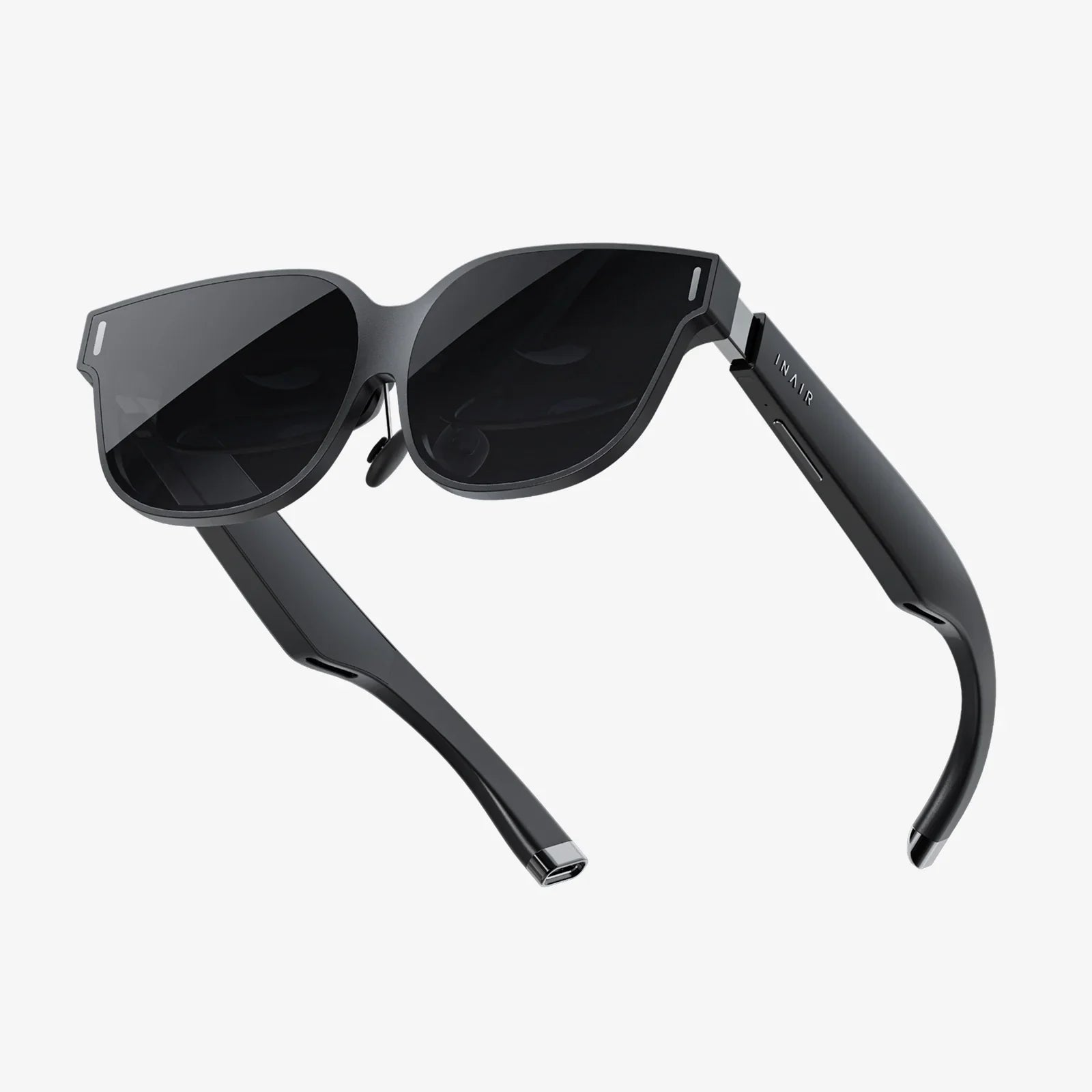
Imagine a world where your customers can try on a new pair of glasses from their living room, test-drive a car without visiting a dealership, or walk through a hotel suite thousands of miles away before booking. This is no longer the stuff of science fiction; it is the powerful, tangible reality being forged today by augmented and virtual reality in digital marketing. These immersive technologies are breaking down the physical barriers between brands and consumers, creating a seismic shift in how we connect, engage, and convert. For forward-thinking marketers, this represents not just a new tool, but an entirely new dimension of possibility.
The Foundational Divide: Understanding AR and VR
While often mentioned in the same breath, Augmented Reality (AR) and Virtual Reality (VR) serve distinct purposes and offer unique experiences. Understanding this distinction is the first step toward effective implementation.
Augmented Reality (AR) superimposes digital information—images, text, 3D models, animations—onto the user's real-world environment. It enhances reality rather than replacing it. Users typically access AR experiences through their smartphone or tablet cameras, or via specialized glasses. The power of AR lies in its accessibility and contextual relevance; it brings the digital world into the consumer's immediate, physical space.
Virtual Reality (VR), by contrast, is an immersive, simulated experience that completely replaces the user's real environment with a digital one. This is typically achieved through a head-mounted display (HMD) that blocks out the physical world, transporting the user to a computer-generated landscape. VR is about full immersion, creating controlled, deeply engaging environments that can tell a story or simulate an experience with unparalleled depth.
In the context of digital marketing, AR is often used for practical, utilitarian enhancements to the shopping experience, while VR is leveraged for powerful emotional storytelling and rich brand experiences. The choice between them depends entirely on the campaign's strategic goals.
Why Now? The Convergence of Technology and Readiness
The potential of AR and VR has been discussed for decades, but several critical factors have recently converged to make them viable pillars of digital marketing strategy.
First, the hardware barrier has all but vanished. Nearly every consumer now carries a powerful AR-enabled device in their pocket: a smartphone with a high-resolution camera, advanced sensors, and significant processing power. This ubiquity means marketers can deploy AR experiences at scale without requiring users to purchase additional equipment. For VR, while dedicated headsets offer the best experience, affordable options and even smartphone-based VR have lowered the entry point for consumers.
Second, software and development platforms have become more sophisticated and user-friendly. Robust software development kits (SDKs) and accessible content creation tools allow brands and agencies to develop compelling AR and VR experiences without exorbitant costs or years of development time.
Finally, and perhaps most importantly, consumer readiness has reached a tipping point. The COVID-19 pandemic accelerated the adoption of digital and contactless experiences. Consumers are now more comfortable than ever using their devices to interact with brands in novel ways. They are not only open to immersive experiences but have come to expect innovation from leading brands.
The AR Marketing Playbook: Enhancing the Real World
Augmented Reality marketing thrives on its ability to add value, utility, and fun to the customer journey. Its applications are vast and growing.
Virtual Try-On and Product Visualization
This is arguably the most powerful and immediate application of AR in commerce. Instead of wondering how a new sofa will look in their lounge or how a shade of lipstick will appear on their skin, consumers can now see it for themselves in real-time. AR apps can place true-to-scale 3D models of furniture into a room, allowing users to walk around it and see how it fits with their existing décor. For fashion and beauty, virtual try-ons let users "wear" products, drastically reducing purchase hesitation and the likelihood of returns. This application directly addresses a fundamental pain point of online shopping: the inability to physically interact with a product.
Interactive Packaging and Print Media
AR can breathe new life into traditional marketing materials. By scanning a product's packaging, a poster, or a magazine ad with a smartphone, consumers can unlock a hidden digital world. This could be an animated tutorial, a short film, a competitive game, or a coupon for their next purchase. This transforms static, one-way advertising into a dynamic, interactive conversation, deepening engagement and creating a memorable brand moment that extends far beyond the initial point of contact.
Location-Based AR and Gamification
Leveraging GPS and other location data, brands can create scavenger hunts or place virtual artifacts in specific physical locations. This strategy, popularized by games, drives foot traffic to retail stores, event venues, or promotional booths. It encourages exploration and social sharing, turning a marketing campaign into a community event.
The VR Marketing Playbook: Crafting Empathy and Experience
Virtual Reality's strength is its ability to generate profound emotional responses by placing the user directly inside a narrative.
Immersive Storytelling and Brand Empathy
VR is the ultimate empathy machine. Instead of telling a story, VR allows the user to live it. Non-profit organizations have used VR to transport donors to the front lines of their work, creating a powerful emotional connection that flat imagery or video cannot match. Automotive brands can offer virtual test drives on scenic roads or famous racetracks. Travel companies can provide immersive tours of destinations and hotel properties, giving potential travelers a genuine sense of being there. This level of immersion builds a deeper, more authentic brand connection.
Virtual Showrooms and Events
VR eliminates geographical and logistical constraints. A brand can create a lavish, interactive virtual showroom that anyone in the world can visit at any time. Car manufacturers can showcase every model and trim without needing a massive physical lot. At a time when physical events faced challenges, brands pivoted to virtual conferences and launch events in VR, offering networking opportunities, keynote speeches, and product demonstrations in engaging digital environments. This not only expands reach but also provides rich data on user engagement within the space.
Training and Educational Content
While not a direct sales tool, using VR for customer education is a powerful indirect marketing strategy. A hardware company could create a VR simulation that teaches users how to safely and effectively use a complex power tool. A sports brand could offer VR training sessions with professional athletes. By providing genuine value and building user competence, the brand positions itself as an authoritative and helpful partner, fostering immense loyalty.
Measuring Success: The Metrics of Immersion
The metrics for AR and VR campaigns extend beyond traditional click-through rates and require a more nuanced approach to measure Return on Investment (ROI).
-
Engagement Depth: Time spent in the experience, interactions triggered, and completion rates.
-
Conversion Impact: For AR try-ons, the direct lift in conversion rates and reduction in return rates. For VR, tracking sign-ups, downloads, or purchases after the experience.
-
Social Amplification: Number of shares, screenshots, and user-generated content spawned by the campaign.
-
Brand Lift: Changes in brand perception, recall, and sentiment measured through surveys pre- and post-campaign.
-
Data Insights: Heatmaps of where users looked or moved in a VR experience, or which products were "tried on" most frequently in AR.
Navigating the Challenges and Considerations
Despite the excitement, implementing AR and VR is not without its hurdles.
Cost and Expertise: While more accessible, developing high-quality, custom immersive experiences still requires a significant investment and specialized skills. Marketers must weigh the potential ROI against the development cost.
User Friction: The requirement to download a separate app can be a major barrier to entry. Web-based AR, which runs directly in a mobile browser, is solving for this and should be the preferred starting point for many campaigns.
Storytelling is Paramount: The technology should serve the story, not the other way around. A poorly conceived experience with weak narrative value will fail, no matter how advanced the graphics.
Accessibility and Motion Sickness: Particularly for VR, considerations must be made for users who experience simulation sickness. Experiences should be designed with comfort settings and shorter durations in mind.
The Future is Immersive: What's Next on the Horizon
The evolution of AR and VR is moving at a breakneck pace, fueled by advancements in artificial intelligence, 5G connectivity, and hardware design. The next frontier is the concept of the "metaverse"—a persistent, interconnected network of shared virtual spaces. In this future, digital marketing will not be about interrupting a consumer's experience but about building a presence within the digital worlds where they live, work, and socialize. Virtual storefronts, branded experiences, and digital goods will become standard facets of a holistic marketing strategy. Furthermore, the line between AR and VR will continue to blur with the development of Mixed Reality (MR) devices that seamlessly blend the digital and physical worlds.
The businesses that will thrive are those that start experimenting today. They are the ones learning the language of immersion, testing what resonates with their audience, and building the foundational strategies for a future that is already unfolding. The question for marketers is no longer if AR and VR will play a role in their strategy, but how quickly they can master these new realms to build deeper, more meaningful, and unforgettable relationships with the consumers of tomorrow.
Don't get left behind in a flat, two-dimensional marketing landscape. The next wave of customer connection is here, and it's waiting to be explored. The brands that dare to step into this new dimension will not only capture attention but will redefine the very essence of engagement, building loyal communities and driving growth in ways we are only beginning to imagine.