


- by wangfred
Augmented: How Digital Overlays Are Reshaping Our Reality
- by wangfred
Imagine a world where the line between the digital and the physical blurs into irrelevance, where information dances before your eyes, and digital creations share your living space. This is not a distant sci-fi fantasy; it is the rapidly dawning reality of the augmented age, a revolution poised to fundamentally reshape every facet of our lives, from how we work and learn to how we connect and perceive the world around us.
At its core, augmented technology is a sophisticated symphony of hardware and software designed to superimpose computer-generated perceptual information onto our view of the real world. Unlike its fully immersive counterpart, virtual reality, augmentation does not seek to replace our environment but to enrich it. This magic is made possible through several key technological pillars.
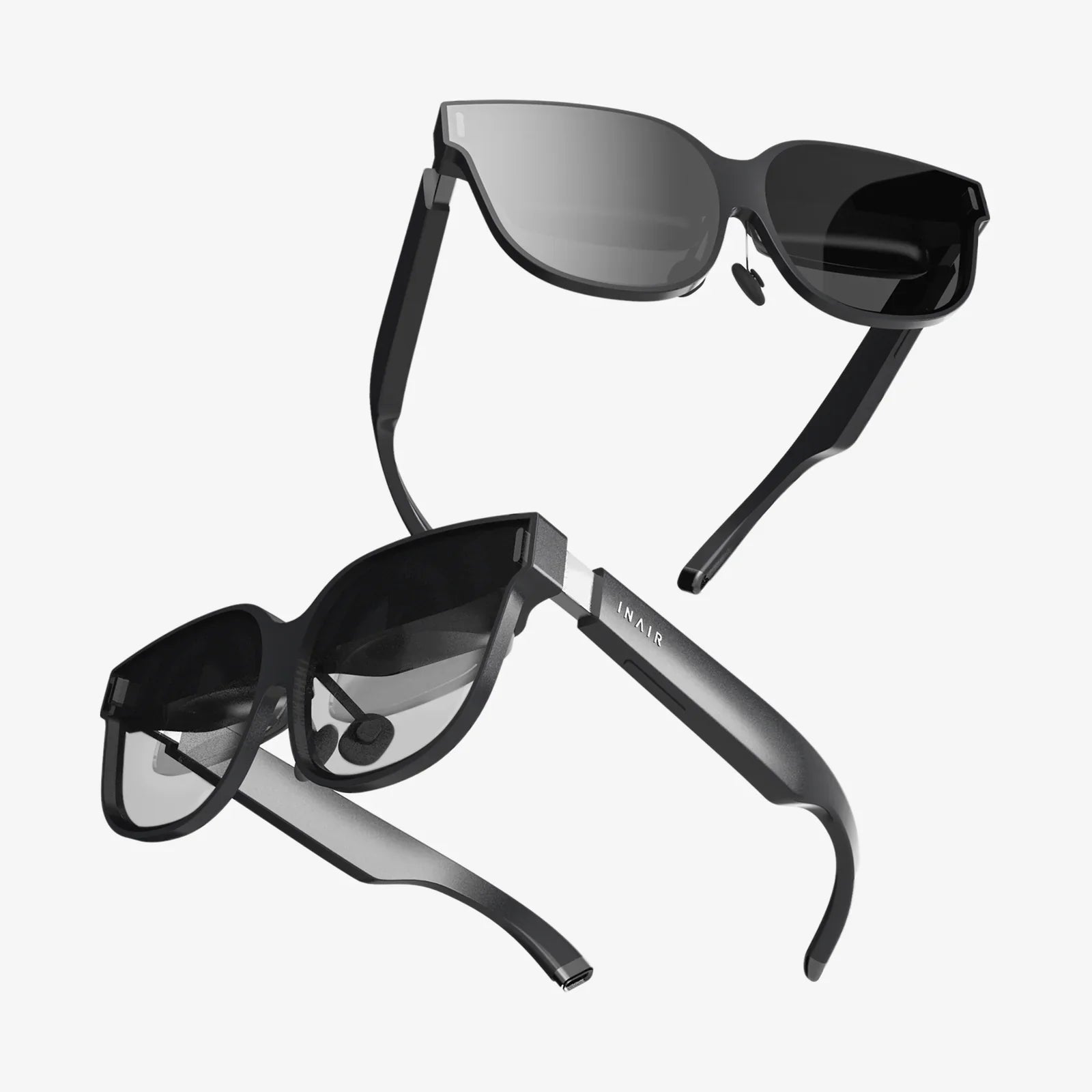
Advanced display systems are the window to this enhanced world. These can range from the screens of ubiquitous smartphones and tablets, which use their cameras as a lens, to more sophisticated smart glasses and heads-up displays that project imagery directly into the user's field of vision. These displays are guided by a suite of sensors—including cameras, GPS, accelerometers, and gyroscopes—that work in concert to understand the device's position and orientation in space. This is where complex computer vision algorithms and simultaneous localization and mapping (SLAM) technologies come into play, allowing the device to map the environment and anchor digital objects within it with astonishing precision.
Finally, robust processing power and connectivity form the brain and nervous system, interpreting sensor data, rendering complex 3D graphics in real-time, and pulling relevant information from the cloud. This seamless integration of the digital and physical creates a cohesive and interactive experience, making the impossible feel tangible.
The value of augmented technology extends far beyond gaming and entertainment; it is revolutionizing entire industries by providing unprecedented access to information and new ways to visualize complex tasks.
On the factory floor, technicians wearing smart glasses can see assembly instructions, wiring diagrams, or safety warnings overlaid directly onto the machinery they are repairing, freeing their hands and drastically reducing errors and training time. Designers and architects can project life-size 3D models of their creations into an empty space, allowing them to walk through a building before a single brick is laid or assess the ergonomics of a new product prototype, iterating in real-time with stakeholders.
In healthcare, the implications are profound. Medical students can explore detailed, interactive holograms of the human body, peeling back layers of anatomy. Surgeons can use AR overlays during procedures to view critical patient data like heart rate and blood pressure without looking away from the operating field, or even project CT scans and MRI data directly onto a patient's body to guide incisions with pinpoint accuracy, improving outcomes and minimizing risk.
The retail experience is being reimagined, allowing customers to visualize how a piece of furniture would look in their home or how a new shade of paint would transform a room. Furthermore, field service engineers can receive remote expert guidance; a specialist located anywhere in the world can see what the local technician sees and annotate their field of view with arrows and notes, enabling complex problem-solving and reducing the need for travel.
Augmentation is not solely a tool for productivity; it is a new medium for storytelling, social connection, and artistic expression. It adds a dynamic, digital layer to our shared physical reality, creating opportunities for deeply engaging experiences.
Museums and historical sites can use AR to resurrect ancient ruins, allowing visitors to see a monument in its former glory through their device. Artists are creating stunning digital sculptures and installations that exist only when viewed through an AR lens, turning entire cities into interactive galleries. Social AR filters on popular platforms have become a cultural phenomenon, a new language of play and identity.
This technology also fosters a new paradigm for collaboration. Instead of a video call grid, imagine a shared virtual workspace where participants from across the globe can manipulate 3D models and data visualizations as if they were in the same room, breaking down geographical barriers and enabling a truly collaborative environment.
As with any powerful technology, the rise of augmentation brings a host of complex challenges that society must proactively address. The collection of vast amounts of visual and spatial data from our homes, workplaces, and cities raises monumental privacy concerns. Who owns this data? How is it stored and used? The potential for persistent surveillance and a erosion of personal privacy is a significant risk.
Furthermore, the proliferation of digital overlays could lead to new forms of visual pollution and advertising, cluttering our reality with unwanted commercial messages. There is also the danger of reality distortion—malicious actors could create convincing but false AR information, leading to confusion or harm. The concept of digital addiction and the psychological effects of perpetually mediating our experience through a technological filter are also areas requiring deep study and the establishment of healthy digital boundaries.
The current state of augmented technology is merely the preface to a much larger story. The future points toward increasingly seamless and intuitive interfaces. The eventual goal is the development of comfortable, socially acceptable eyewear that rivals the field of view and visual fidelity of the human eye, ultimately replacing the smartphone as our primary gateway to digital information.
We are moving toward a world of contextually aware AI that anticipates our needs, delivering the right information at the right time without a explicit command. The convergence of AR with other transformative technologies like 5G/6G connectivity, which offers ultra-low latency, and artificial intelligence will unlock experiences we can scarcely imagine today. This will pave the way for the ambient computing era, where technology fades into the background of our lives, empowering us without demanding our constant attention.
The path forward is not merely about better hardware; it is about building an ethical, inclusive, and human-centric framework for this new layer of reality. It demands collaboration between technologists, artists, policymakers, and philosophers to ensure that the augmented world we are building enhances our humanity rather than diminishes it, fostering connection, amplifying potential, and deepening our understanding of the world and each other.
The screen that has captivated our attention for decades is beginning to fade, not into obsolescence, but into the very fabric of our existence. We are stepping into an era where every surface can become a interface, every space can tell a story, and our reality is limited only by our imagination. The tools to paint onto the canvas of the real world are here, inviting us to not just consume digital content, but to weave it into the physical world and, in doing so, redefine what it means to see, to learn, to work, and to be human.