


Imagine a world where digital information doesn't just live on a screen but is seamlessly woven into the fabric of your physical reality, enhancing everything you see, do, and understand. This is no longer the realm of science fiction; it's the powerful promise and present-day reality of augmented reality (AR), a technology poised to revolutionize our daily lives in ways we are only beginning to comprehend. The journey into this enhanced world is not just about flashy graphics; it's about unlocking a new layer of human-computer interaction that offers tangible, transformative advantages across every sector of society.
Demystifying the Digital Layer: What Exactly is Augmented Reality?
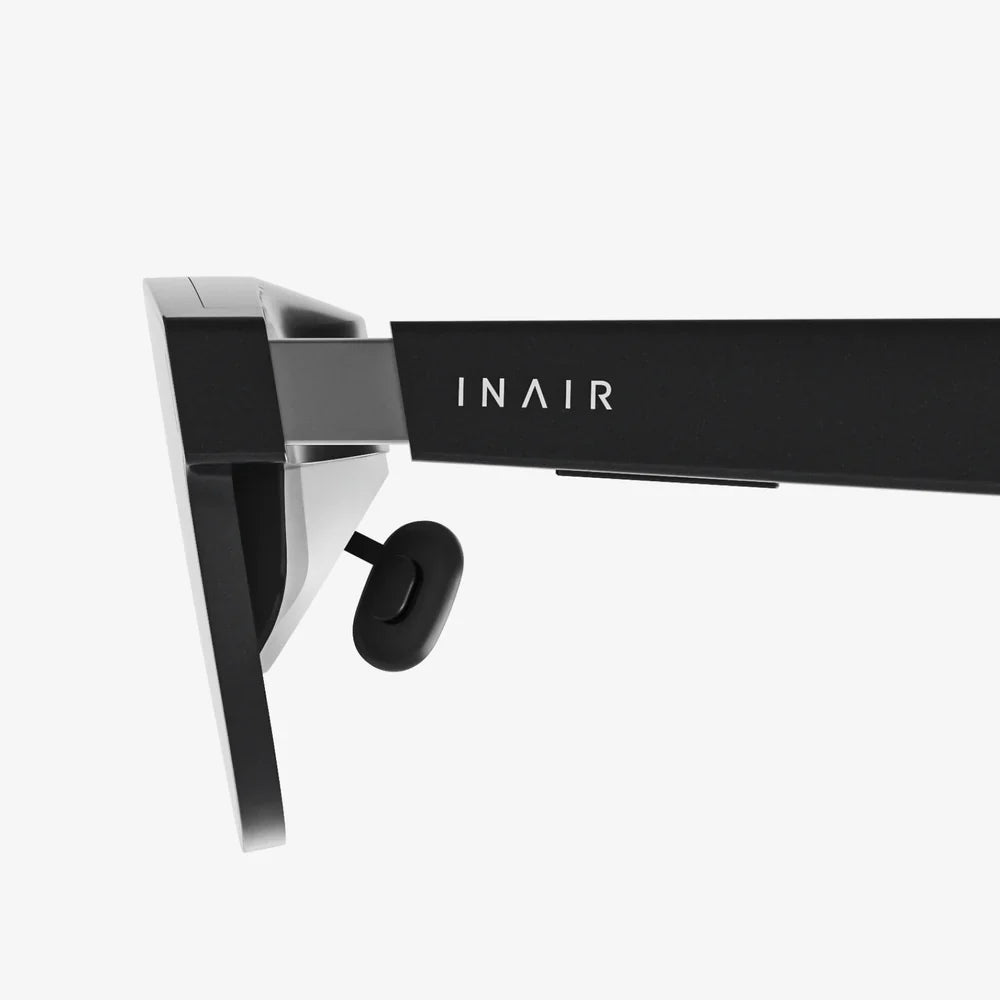
Before delving into its myriad benefits, it's crucial to define augmented reality. Unlike virtual reality (VR), which creates a completely immersive, digital environment that replaces the real world, AR overlays digital information—such as images, text, data, and 3D models—onto the user's view of their physical surroundings. This is typically achieved through devices like smartphones, tablets, smart glasses, and heads-up displays. The magic of AR lies in its ability to bridge the gap between the digital and the physical, creating a composite view that enriches the user's perception and interaction with their environment. This foundational principle is the bedrock upon which all its incredible benefits are built.
Revolutionizing Learning and Knowledge Retention
One of the most profound augmented reality benefits is its impact on education and training. By transforming abstract concepts into interactive, 3D experiences, AR makes learning immersive, engaging, and remarkably effective.
Interactive Classrooms and Textbooks
Imagine a history student pointing their device at a textbook image of the Roman Colosseum and seeing a full, animated reconstruction spring to life on their desk, complete with gladiators and roaring crowds. A medical student can explore a detailed, interactive hologram of the human heart, peeling back layers to understand anatomy in a way static diagrams could never allow. This interactive learning fosters deeper understanding and significantly improves knowledge retention by engaging multiple senses.
Specialized Skill Training and Simulation
Beyond the classroom, AR is a powerful tool for high-stakes training. Surgeons can practice complex procedures on virtual patients overlaid onto real surgical equipment, mitigating risk and honing their skills before ever touching a real person. Mechanics can see repair instructions and diagnostic data superimposed directly onto the engine they are working on. This "see-what-I-see" guidance reduces errors, accelerates the learning curve, and provides a safe environment for mastering dangerous tasks.
Supercharging Enterprise and Industrial Operations
The industrial and enterprise sectors are experiencing a seismic shift thanks to AR's practical applications, leading to unprecedented gains in efficiency, safety, and productivity.
Enhanced Remote Assistance and Collaboration
One of the most immediate benefits is in remote collaboration. A field technician facing a complex problem can stream their live view to an expert thousands of miles away. The expert can then annotate the technician's real-world view with arrows, notes, and diagrams, guiding them through the repair process step-by-step. This eliminates costly travel delays, empowers less-experienced staff, and ensures problems are resolved correctly the first time.
Streamlined Logistics and Warehousing
In massive warehouses, workers equipped with AR smart glasses can have the most efficient picking route displayed in their field of vision. Digital arrows guide them to the correct aisle and bin, while the device can scan items and confirm inventory in real-time, drastically reducing walking time and fulfillment errors. This leads to faster order processing, lower operational costs, and a more streamlined supply chain.
Design, Prototyping, and Manufacturing
Engineers and designers can project life-size 3D models of new products into a physical space, allowing them to evaluate designs, identify potential issues, and make iterative changes before committing to expensive physical prototypes. On the factory floor, assembly line workers can see digital work instructions overlaid on their station, reducing training time and ensuring complex assemblies are performed with precision.
Transforming the Retail and Shopping Experience
The retail landscape is being reshaped by AR, moving from transactional interactions to experiential engagements that build consumer confidence and reduce purchase anxiety.
Try-Before-You-Buy at Scale
Shoppers can now visualize products in their own space and on their own bodies with stunning accuracy. Want to see how a new sofa looks in your living room? Use your phone to place a true-to-scale 3D model right where you want it. Curious about how a pair of glasses frames your face? Virtual try-on apps allow you to test dozens of styles in minutes. This capability dramatically reduces return rates and empowers customers to make more informed purchasing decisions.
Interactive Marketing and In-Store Navigation
Brands are creating immersive AR marketing campaigns that allow users to unlock exclusive content by scanning products or posters. Inside large stores, AR wayfinding apps can help customers navigate directly to the items on their list, enhancing the shopping experience and increasing satisfaction.
Enhancing Healthcare and Patient Outcomes
The healthcare industry stands to gain immensely from AR, with applications that improve both patient care and medical procedures.
Improved Surgical Precision and Patient Education
Surgeons can use AR headsets to view critical information—such as a patient's vital signs, 3D reconstructions of tumors, or the precise location of blood vessels—without looking away from the operating field. This creates a "GPS for the body," enhancing surgical accuracy and improving patient outcomes. Furthermore, doctors can use AR models to explain complex conditions and procedures to patients in a visually intuitive way, fostering better understanding and informed consent.
Physical Therapy and Rehabilitation
AR can make physical therapy more engaging. Patients can perform exercises within a game-like environment that tracks their movements and provides real-time feedback, encouraging adherence to rehabilitation programs and making recovery a more positive experience.
Redefining Navigation and Urban Exploration
AR is set to change how we navigate our world, both on foot and on the road.
Intuitive Wayfinding
Instead of looking down at a map on a phone, AR navigation apps can overlay directional arrows and points of interest directly onto the real world through your camera view. This allows for a more intuitive and heads-up way to explore a new city, find a specific restaurant entrance, or locate your gate in a sprawling airport.
Heads-Up Displays for Drivers
Automotive heads-up displays (HUDs) project vital information like speed, navigation directions, and collision warnings onto the windshield, allowing drivers to keep their eyes on the road. This technology significantly enhances driving safety by reducing distraction.
Fostering Connection and Social Interaction
At its core, technology is about connecting people, and AR offers new and creative ways to socialize and share experiences.
Shared Experiences and Gaming
AR allows multiple users to see and interact with the same digital objects in a shared physical space, whether they are collaborating on a project or playing an immersive game together in a park. This creates a powerful sense of shared presence and collaborative play, blending social interaction with digital entertainment in a physically active way.
Preserving and Experiencing Culture
Museums and historical sites are using AR to bring exhibits to life. Visitors can point their devices at artifacts to see historical reenactments, restoration overlays, or detailed explanations, creating a deeply engaging and educational cultural experience that transcends traditional placards and audio guides.
Addressing Challenges and the Future of Augmented Reality
Despite its immense potential, the widespread adoption of AR faces hurdles. Concerns about privacy, data security, and the potential for digital overload are valid and require thoughtful solutions. The development of comfortable, socially acceptable, and powerful wearable hardware is also an ongoing challenge. However, as technology advances—with improvements in battery life, processing power, and display technology—and as developers continue to create meaningful, user-centric applications, these barriers will gradually diminish. The future of AR is not just about technological advancement but about designing an ethical and human-centered framework for its integration into our lives.
The true power of augmented reality lies not in replacing our world, but in amplifying it, adding a rich, interactive layer of data and imagination that makes us smarter, more capable, and more connected. From the operating room to the living room, the classroom to the factory floor, these augmented reality benefits are forging a future where our digital and physical realities are no longer separate, but are fused into a single, enhanced experience that expands the very boundaries of human potential. The next time you look at the world around you, remember—you’re only seeing part of the picture, and the best is yet to come.
Share:
How is VR Different from AR: A Deep Dive into the Digital Realms
The Meaning of Augmented Reality: Bridging Our Digital and Physical Worlds