


Imagine pointing your smartphone at the historic cobblestones of Old Quebec and watching a digital reenactment of a 17th-century battle unfold before your eyes. Or, envision a medical student in Toronto practicing a complex surgical procedure on a holographic heart, their hands guided by precise, real-time data. This is not a glimpse into a distant future; it is the rapidly evolving present of augmented reality in Canada, a nation quietly positioning itself as a global leader in weaving digital information into the very fabric of our physical world. The Canadian AR landscape is a fascinating tapestry of cutting-edge research, bold entrepreneurship, and practical application, creating a silent revolution that is reshaping how Canadians work, learn, and connect.
The Canadian Crucible: From Academic Theory to Global Reality
The story of augmented reality in Canada is deeply rooted in a world-class academic and research ecosystem. For decades, the nation's universities have been fertile ground for the computer vision, human-computer interaction, and graphics processing research that forms the bedrock of AR technology. Pioneering work at institutions like the University of Toronto, Simon Fraser University's renowned School of Interactive Arts and Technology (SIAT), the University of British Columbia, and the University of Waterloo has produced not only groundbreaking papers but also a steady pipeline of exceptionally talented engineers, designers, and visionary thinkers. This academic excellence did not exist in a vacuum; it acted as a catalyst, spinning out startups and attracting significant investment from both domestic and international sources. The Canadian government has further fueled this fire through strategic funding initiatives and supportive policies, recognizing AR as a key component of the modern digital economy and a critical tool for innovation across all sectors.
Transforming the Classroom and the Boardroom
The impact of Canadian AR innovation is perhaps most palpable in the realms of education and enterprise. In classrooms across the country, AR is moving beyond novelty to become a powerful pedagogical tool.
- Immersive Learning: Students are no longer limited to textbook diagrams. They can explore 3D models of ancient Roman architecture, manipulate virtual molecules to understand chemical bonds, or take virtual field trips to the Canadian Museum of History, all from their desks. This interactive, visual approach caters to diverse learning styles and dramatically improves knowledge retention.
- Skills Training: In trades and technical training, AR is a game-changer. Apprentice mechanics can overlay repair instructions directly onto an engine block, while welding students can practice their technique in a safe, virtual environment with instant feedback, reducing material waste and risk of injury.
In the corporate world, Canadian enterprises are leveraging AR for massive gains in efficiency, productivity, and collaboration.
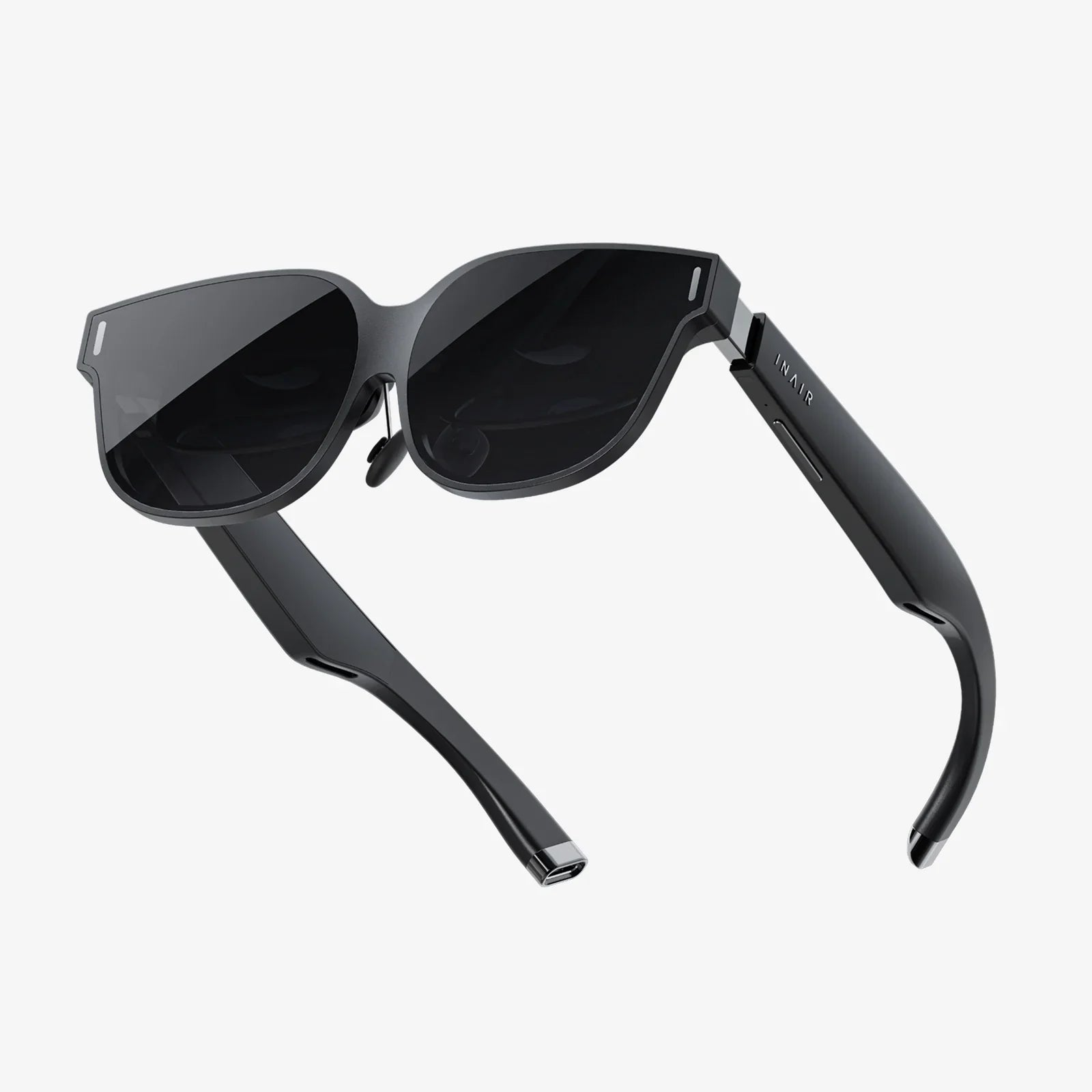
- Remote Expertise and Assistance: A field technician in a remote part of Alberta can wear AR glasses, allowing an expert based in Calgary to see what they see and annotate their field of view with arrows, diagrams, and notes to guide them through a complex repair, eliminating travel time and costs.
- Design and Prototyping: Automotive and aerospace designers can project full-scale 3D models of new components into a physical space, enabling teams to collaborate on design iterations in real-time before a single physical part is ever manufactured.
- Enhanced Logistics: In massive distribution warehouses, AR smart glasses can visually guide warehouse workers to the exact shelf location for an item, display optimal packing instructions, and verify orders, drastically speeding up fulfillment and reducing errors.
Revolutionizing Healthcare and Connecting Communities
The healthcare sector in Canada stands to benefit enormously from the integration of augmented reality. Research hospitals and tech firms are developing applications that are literally saving lives and improving patient outcomes.
- Surgical Precision: Surgeons are using AR to overlay critical information—such as MRI data, CT scans, and the location of tumors or blood vessels—directly onto their view of the patient during an operation. This "X-ray vision" enhances precision, minimizes incision sizes, and can lead to shorter surgery times and faster patient recovery.
- Medical Education and Anatomy: Medical students are moving away from cadavers and static textbooks to explore detailed, interactive, and life-sized holographic representations of human anatomy, gaining a deeper understanding of the body's complexities.
- Patient Education and Rehabilitation: AR apps can help patients visualize their own conditions, such as seeing a 3D model of their arthritic joint, leading to better understanding and adherence to treatment plans. In physiotherapy, AR games can make repetitive exercises for rehabilitation more engaging and measurable.
Beyond institutional use, AR is also enhancing Canadian culture and tourism. Museums like the Royal Ontario Museum and the Canadian Museum for Human Rights have developed AR experiences that bring exhibits to life, allowing artifacts to tell their stories in dynamic new ways. Tourism agencies are creating AR trails where visitors can unlock historical content and animations at landmarks, enriching the travel experience and preserving cultural heritage for a digital age.
The Unique Canadian Context: Opportunities and Challenges
The development of augmented reality in Canada is shaped by the nation's unique geographic, linguistic, and cultural fabric. This presents a distinct set of opportunities and hurdles that Canadian innovators must navigate.
- A Vast and Remote Landscape: Canada's immense size and sparsely populated regions make AR an ideal technology for remote assistance, telemedicine, and distance learning. It offers a powerful solution to connect experts in urban centers with people and problems in rural and remote communities, effectively shrinking the country's vast distances.
- Bilingual and Multicultural Nuances: Successful AR applications in Canada must be designed with linguistic and cultural sensitivity in mind. This means not only offering content in both English and French but also considering how to respectfully and accurately represent the stories and perspectives of Indigenous communities and other cultural groups through this new medium.
- The Infrastructure Gap: The full potential of high-fidelity, real-time AR relies on robust and widespread high-speed internet and next-generation wireless networks like 5G. While urban centers are well-connected, the digital divide between cities and rural/remote areas remains a significant challenge that must be addressed for AR to become truly ubiquitous.
Navigating the Future: Privacy, Ethics, and Adoption
As augmented reality becomes more woven into daily life, Canada is at the forefront of crucial conversations about the ethical and societal implications of this technology. The collection of vast amounts of visual and spatial data through AR devices raises profound questions about privacy and data sovereignty. Canadian policymakers, with the country's strong history of privacy legislation like PIPEDA, are actively working to establish frameworks that protect citizens without stifling innovation. Furthermore, as with any transformative technology, there is a risk of a digital skills gap. Ensuring that the workforce is equipped with the skills to develop, deploy, and utilize AR tools is essential for maximizing its economic benefit and preventing new forms of inequality. The path forward requires continued collaboration between academia, industry, and government to foster responsible innovation that prioritizes human-centric design and ethical considerations.
The silent symphony of augmented reality is already playing across Canada, from the lab to the factory floor, the operating room to the classroom. It is a testament to the nation's spirit of innovation—one that is not always the loudest, but is undoubtedly profound in its impact. This is not just about overlaying digital dragons in a park; it is about overlaying efficiency, understanding, and connection onto the very real challenges and opportunities of a modern nation. The future of how Canadians see their world is being rewritten, not on a page, but directly onto the world itself, and the view is nothing short of extraordinary.
Share:
How to Create AR VR Content: The Ultimate Guide for Immersive Storytelling
The Role of Augmented Reality in Business: Transforming Operations and Customer Engagement