


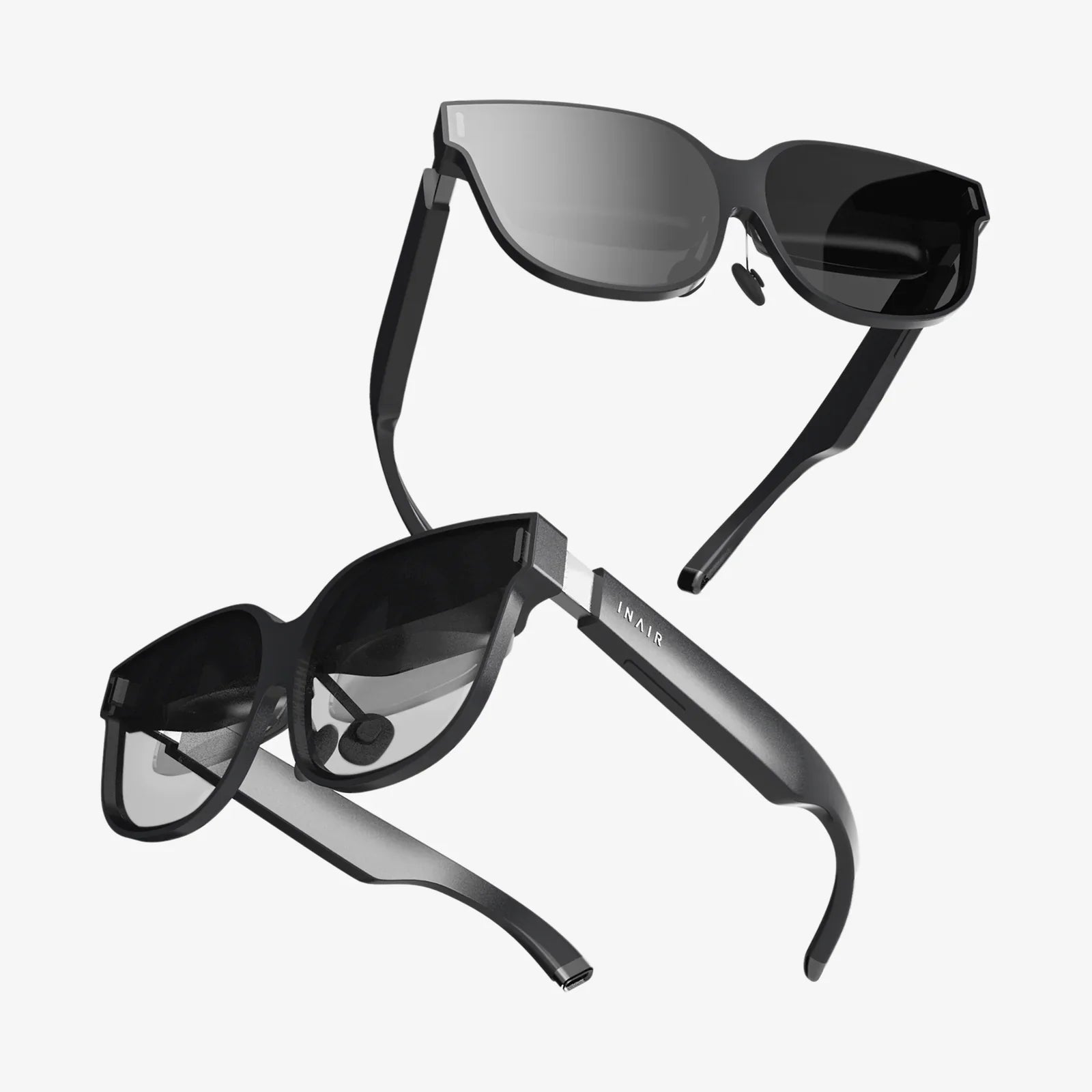
Imagine a world where the digital and physical seamlessly intertwine, where information is overlaid onto our reality, empowering decisions, simplifying complex tasks, and creating experiences so immersive they redefine engagement. This is no longer the realm of science fiction; it is the burgeoning reality powered by Augmented Reality (AR), and it is rapidly becoming the most significant differentiator for forward-thinking businesses. The race is on, and the prize is nothing less than market dominance. Companies that hesitate risk being rendered obsolete by those who dare to see the world through a new, augmented lens.
Beyond the Novelty: Defining the AR Competitive Edge
To understand the profound impact of AR, we must first move beyond the perception of it as a mere marketing gimmick or a gaming accessory. A true augmented reality competitive advantage is systemic. It is woven into the very fabric of an organization's operations, supply chain, employee training, customer journey, and product development cycle. It creates value in ways that are difficult for competitors to replicate, establishing a formidable barrier to entry and fostering unparalleled customer loyalty.
This advantage manifests in several key areas:
- Operational Excellence: AR dramatically reduces errors, speeds up processes, and lowers costs on the factory floor, in warehouses, and in the field.
- Human Capital Empowerment: It uplifts the skills of the workforce, making complex tasks accessible and reducing the time to proficiency for new employees.
- Customer Experience Revolution: It transforms passive consumers into active participants, offering try-before-you-buy functionality, immersive storytelling, and personalized interaction.
- Data-Driven Decision Making: By visualizing abstract data in a real-world context, AR allows for faster, more informed decisions at every level of the organization.
The Internal Engine: Supercharging Operations and Workforce
The most immediate and impactful applications of AR are often found behind the scenes, away from the consumer's eye. Here, AR acts as a silent efficiency engine, driving down costs and boosting productivity.
Revolutionizing Manufacturing and Assembly
On assembly lines, AR is a game-changer. Technicians wearing AR smart glasses can see digital work instructions overlaid directly onto the physical components they are assembling. This eliminates the constant need to refer back to paper manuals or computer screens, reducing cognitive load and minimizing errors. For example, complex wiring harnesses can be assembled with precision as digital arrows point to exact connection points. This not only accelerates production times by up to 30% but also slashes error rates to near zero, ensuring consistent, high-quality output. Furthermore, remote experts can see what an on-site technician sees and provide real-time guidance through AR annotations, drastically reducing travel costs and machine downtime.
Transforming Logistics and Warehousing
In massive distribution centers, the augmented reality competitive advantage translates directly to the bottom line. Warehouse pickers equipped with AR devices are guided along the most efficient routes, with digital indicators highlighting the exact shelf and bin location of items. The system can display quantity counts and even verify picks using image recognition, ensuring order accuracy. This leads to a dramatic increase in picking speed and a significant reduction in training time for new staff. What once took weeks to learn now takes days, as the technology does the heavy lifting of navigation and verification.
Upskilling the Workforce with Immersive Training
Training employees for high-stakes jobs, such as operating heavy machinery or performing surgical procedures, is incredibly expensive and risky. AR creates a safe, controlled, and highly effective training environment. Trainees can practice on digital twins of equipment, making mistakes without real-world consequences. They can see animated, step-by-step guides overlaid on real machinery, accelerating the learning curve. This democratizes expertise, allowing junior staff to perform at a level接近 that of seasoned veterans, thereby mitigating the impact of a skills shortage and reducing the burden on top-tier experts.
The External Face: Redefining Customer Engagement and Marketing
While internal applications save money, customer-facing applications drive revenue. AR is fundamentally altering the marketing and sales funnel, creating immersive experiences that captivate audiences and drive conversion.
The Try-Before-You-Buy Economy
One of the most powerful consumer applications is virtual product placement. Through a smartphone or tablet, customers can see how a piece of furniture would look in their living room, how a new shade of paint would transform their wall, or how a pair of glasses fits their face. This eliminates the primary barrier to online purchases: uncertainty. By reducing purchase anxiety, AR drastically lowers return rates and increases consumer confidence, leading to higher conversion rates and stronger customer satisfaction. This capability creates a tangible moat for retailers, as customers are less likely to switch to a platform that doesn't offer this immersive preview functionality.
Interactive Storytelling and Brand Immersion
Marketing is no longer about telling a story; it's about allowing the customer to live it. AR enables brands to create deeply engaging campaigns. A simple product package can be transformed into a interactive portal when viewed through an AR app, revealing a brand's history, demonstrating a product's features in 3D, or launching a mini-game. This creates a memorable, shareable experience that fosters a emotional connection with the brand, far beyond what a traditional advertisement can achieve. It turns passive observers into active participants and brand advocates.
Enhanced On-Site and Post-Sale Support
The augmented reality competitive advantage extends beyond the point of sale. For complex products, AR can serve as an interactive manual. By pointing a device at a piece of equipment, users can see troubleshooting guides, animated repair instructions, or highlight specific parts for ordering. This empowers customers, reduces support call volume, and enhances the perceived value of the product. It transforms a potentially frustrating experience into a positive brand interaction, building long-term loyalty.
Building an Unassailable Moat: The Strategic Imperative
Implementing AR is not just about adopting a new technology; it is a strategic decision that can create a sustainable competitive moat.
- Data Asset Accumulation: Every AR interaction generates invaluable data. How do users interact with a virtual product? Where do they look? What steps in an assembly process cause confusion? This data becomes a proprietary asset, fueling continuous improvement in product design, user experience, and operational workflows. Competitors without this deep well of insights are left guessing.
- Ecosystem Lock-In: Successful AR platforms, especially in industrial settings, create powerful ecosystem effects. Once a company has integrated AR into its training, logistics, and maintenance protocols, the cost of switching to a competitor becomes prohibitively high. The technology becomes embedded in the company's DNA.
- First-Mover Advantage: Early adopters are currently writing the playbook. They are overcoming implementation challenges, building internal expertise, and shaping industry standards. This head start allows them to refine their use cases and scale their operations while others are still contemplating the technology, creating a gap that may become impossible to close.
Navigating the Implementation Challenge
The path to securing an augmented reality competitive advantage is not without its hurdles. Successful implementation requires careful consideration of hardware selection (from smartphones to dedicated glasses), robust software development that integrates with existing enterprise systems (like ERP and CRM), and a thoughtful approach to user experience design that prioritizes intuitive interaction. Furthermore, businesses must address concerns around data security, user privacy, and the potential for technological fatigue. A phased pilot program, starting with a high-impact, low-risk use case, is often the most effective strategy to demonstrate value and build organizational buy-in.
The businesses that will thrive in the next decade are not those that simply sell products or services, but those that sell enhanced realities. They are the ones who understand that the future of work, commerce, and human-computer interaction is not about replacing the physical world, but about enriching it with a layer of intelligent, contextual, and empowering digital information. The question is no longer if AR will become a standard business tool, but how quickly your organization can harness its transformative power to build a moat that competitors cannot cross. The lens through which you view your industry is about to change forever—will you be the disruptor, or the disrupted?
Share:
How Has the Eyewear Industry Embraced Technology? A Digital Revolution
AI Glasses Pro: The Invisible Revolution Reshaping Our Daily Lives