


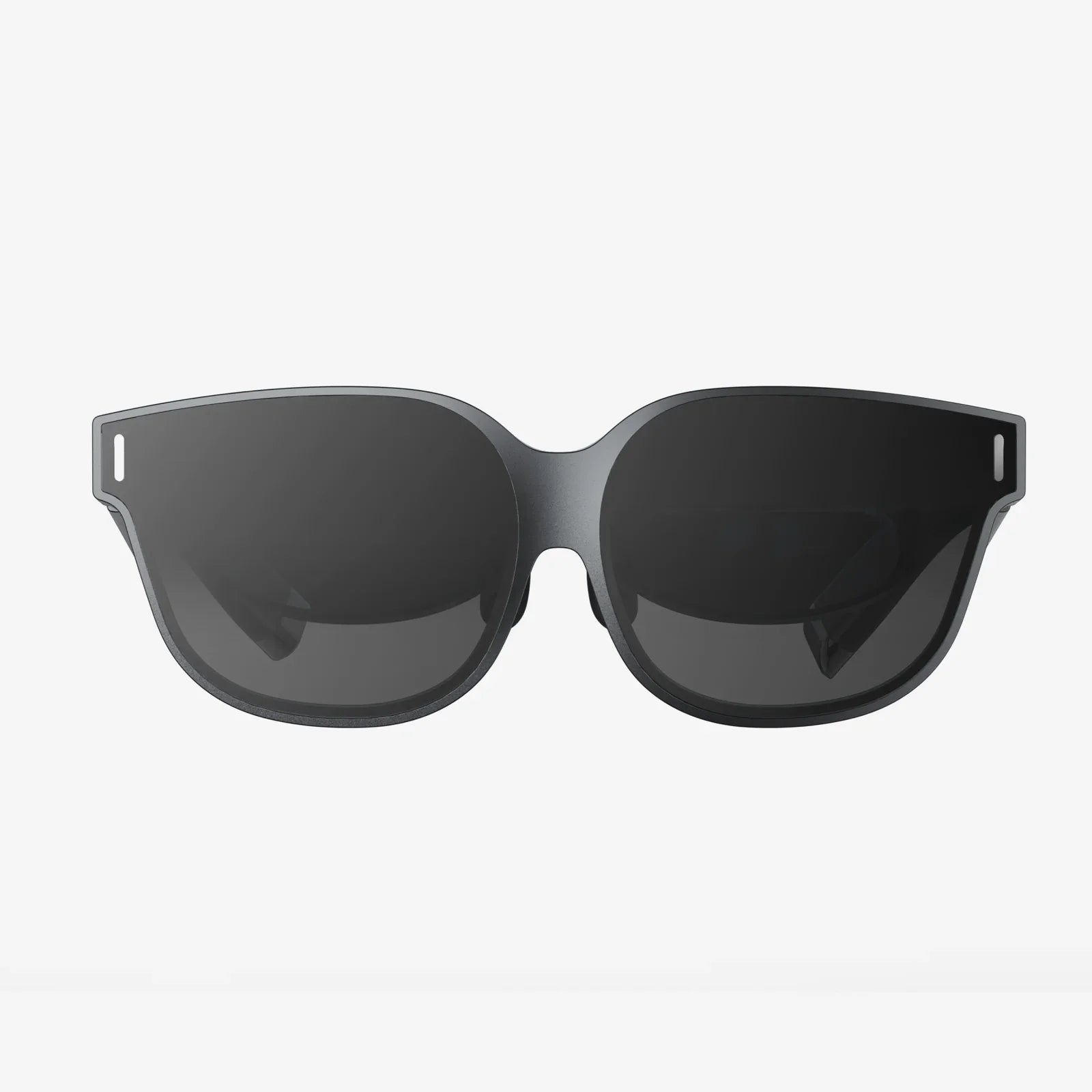
Imagine a world where digital information seamlessly blends with your physical surroundings, where instructions overlay machinery for a technician, historical figures narrate tales at a monument, and a new piece of furniture materializes in your living room before you buy it. This is the promise of augmented reality (AR), and a quiet revolution is brewing, with its epicenter increasingly shifting towards a surprising hub: India. The subcontinent, long celebrated for its IT prowess, is now positioning itself as a critical player in shaping this immersive future, making the field of augmented reality development in India a topic of global interest and investment.
The Fertile Ground: Why India is Perfect for AR Innovation
The rise of augmented reality development in India is not a random occurrence but the result of a powerful convergence of several key factors that create a uniquely fertile environment for growth.
A Vast and Technically Proficient Talent Pool
India's greatest asset in the tech world has always been its human capital. The country produces over a million engineering graduates annually, with a significant portion specializing in computer science, graphics, and related fields. This creates a deep and continuous pipeline of developers, designers, and 3D artists—the very core talents required for AR development. Universities and private institutes are rapidly incorporating AR and VR modules into their curricula, ensuring that new graduates are not just theoretically sound but also practically equipped to enter this niche field. This existing foundation in software development provides a smooth transition into the specialized realms of AR creation.
The Cost-Effectiveness Advantage
For global enterprises and startups alike, development cost remains a primary concern. Augmented reality development in India offers a compelling value proposition: world-class quality at a significantly lower cost compared to North American and European markets. This cost arbitrage does not imply a compromise on quality; instead, it allows for longer development runways, larger teams, and more iterative testing within the same budget. This economic advantage makes India an attractive destination for outsourcing AR projects and for setting up dedicated research and development centers focused on immersive technologies.
Thriving Startup and Venture Capital Ecosystem
The Indian startup landscape is buzzing with activity, and immersive tech is a major focus area. A new generation of entrepreneurs, inspired by global trends and local opportunities, is launching ventures solely focused on AR solutions. This energy is being fueled by a growing number of venture capital firms and angel investors who are actively seeking out promising tech startups. Government initiatives like "Startup India" provide further support through tax benefits, easier compliance, and funding, creating a supportive atmosphere for innovation and risk-taking in cutting-edge fields like AR.
Massive Domestic Market and Digital Adoption
Any technology's success is ultimately tied to adoption. With over 750 million internet users and some of the cheapest data plans in the world, India presents a massive domestic market for AR applications. The widespread adoption of smartphones, coupled with improving device capabilities, means that AR experiences are no longer limited to high-end devices but are accessible to a large segment of the population. This vast user base provides Indian developers with a unique testing ground to create scalable, performance-optimized, and culturally relevant AR applications that can later be tailored for global audiences.
Transforming Industries: Real-World Applications of AR Made in India
The true measure of a technology's impact lies in its practical applications. Indian AR developers are moving beyond novelty and demo apps to create solutions that solve real-world problems across diverse sectors.
Revolutionizing Retail and E-Commerce
The retail sector in India is being transformed by AR. Developers are creating sophisticated "try-before-you-buy" experiences that allow consumers to visualize products in their own space. This includes seeing how a new sofa looks in their living room, how a shade of lipstick appears on their skin, or how a pair of sunglasses fits their face. For furniture and home decor brands, this drastically reduces purchase hesitation and return rates. In the fashion industry, virtual try-on apps are becoming increasingly common, enhancing customer engagement and boosting online sales confidence.
Enhancing Manufacturing and Industrial Training
This is perhaps one of the most impactful areas for AR development. Indian companies are building complex AR applications for industrial use. Technicians on the factory floor can use AR glasses or tablet devices to see digital overlays of assembly instructions, machine diagnostics, and safety information directly onto the equipment they are servicing. This reduces errors, improves efficiency, and shortens training times for new employees. Complex machinery repair becomes simpler as AR can guide a worker step-by-step through the process, highlighting which part to remove or replace.
Innovating in Education and Healthcare
In education, AR is making learning interactive and immersive. Instead of reading about the solar system, students can explore a 3D model of it rotating in their classroom. Anatomy students can dissect virtual frogs or examine detailed, life-sized human organs from every angle. This experiential learning dramatically improves comprehension and retention. In healthcare, the applications are profound. Surgeons can use AR for pre-operative planning, overlaying CT scans onto a patient's body to guide incisions. Medical students can practice complex procedures in a risk-free virtual environment, and patients can better understand their conditions through interactive 3D models.
Boosting Tourism and Cultural Preservation
India's rich cultural heritage provides a perfect canvas for AR. Developers are creating apps that bring historical sites and museums to life. Pointing a smartphone at a ruined fort can restore it to its former glory on the screen, complete with animated characters and narratives. Museums can use AR to provide additional information, stories, and reconstructions when a visitor points their device at an artifact. This not only enhances the tourist experience but also serves as a powerful tool for preserving and communicating history in an engaging way.
Navigating the Challenges on the Path to Dominance
Despite the immense potential and rapid growth, the journey for augmented reality development in India is not without its hurdles.
The Hardware Accessibility Hurdle
While smartphone penetration is high, the widespread adoption of dedicated AR hardware like smart glasses remains limited due to their high cost. Most consumer AR experiences are currently delivered through smartphones, which, while effective, offer a less immersive experience compared to hands-free, wearable devices. This reliance on mobile AR can sometimes limit the scope and ambition of projects. The ecosystem is eagerly awaiting more affordable and powerful AR wearables to truly unlock the next wave of innovation.
The Intense Scarcity of Specialized Talent
While India has a surplus of general software developers, there is a significant shortage of experienced professionals with deep expertise in the specialized domains critical to AR. This includes experts in 3D modelling and animation, computer vision, spatial mapping, and user experience (UX) design for immersive environments. Finding individuals who can bridge the gap between advanced technical programming and intuitive, user-centric design is a key challenge that companies face, often leading to intense competition for a limited pool of seasoned experts.
Infrastructure and Connectivity Constraints
High-fidelity AR experiences often require significant processing power and bandwidth, especially for cloud-based AR solutions that stream complex models. While urban centers in India have robust internet infrastructure, connectivity can still be inconsistent in semi-urban and rural areas. This digital divide can limit the reach and reliability of AR applications intended for a nationwide audience, pushing developers to create more lightweight, offline-capable experiences that can function smoothly across varying network conditions.
The Future is Augmented: What Lies Ahead?
The trajectory for augmented reality development in India is pointing steeply upward. The convergence of 5G technology, which promises ultra-low latency and high speeds, will be a major catalyst, enabling more complex and real-time AR experiences. As hardware becomes more affordable and accessible, developers will be able to create even more immersive and hands-free applications. We can expect to see Indian AR studios not just serving domestic clients but becoming go-to partners for global enterprises, leading innovation in enterprise AR, spatial computing, and the eventual evolution towards the metaverse. The focus will shift from creating standalone apps to developing integrated AR platforms that seamlessly blend with workflows and consumer lives.
The stage is set for India to transition from a service provider to a global innovation leader in augmented reality. The combination of deep technical talent, a cost-effective ecosystem, and a massive, tech-adopting population creates a perfect storm for groundbreaking AR solutions to emerge. From the factory floors of Pune to the retail stores of Delhi and the historical sites of Rajasthan, augmented reality is beginning to weave a digital layer over the physical Indian landscape. This isn't just about keeping up with global trends; it's about leveraging a unique set of advantages to define the next chapter of human-computer interaction, and the world is watching closely.
Share:
Sunglasses Smart Technology: The Invisible Revolution on Your Nose
Augmented Reality App Design: Crafting the Future of Digital Interaction