Imagine pointing your device at a seemingly ordinary product and watching it spring to life, revealing hidden features, exclusive content, and a direct path to purchase. This isn't a scene from a sci-fi movie; it's the powerful, present-day reality of marketing, powered by augmented reality. This technology is fundamentally reshaping the conversation between brands and consumers, transforming passive observers into active participants and turning mundane interactions into memorable experiences. The era of simply telling customers about your product is over; now, you can show them, let them try it on, place it in their home, and interact with it, all before they ever click 'buy.' This is the immersive, engaging, and utterly transformative power of augmented reality for interactive marketing.
The Foundation: Understanding Augmented Reality
Before delving into its marketing applications, it's crucial to understand what augmented reality truly is. Unlike virtual reality, which creates a completely synthetic, digital environment, augmented reality overlays digital information—images, video, 3D models, text, and more—onto the user's real-world view. Through the camera on a smartphone, tablet, or AR glasses, the physical world becomes a dynamic canvas. This seamless blending is what makes the technology so potent; it enhances reality rather than replacing it.
The technology operates through a sophisticated process. A device's camera captures the real-world environment. Sophisticated software, often powered by machine learning and computer vision algorithms, then identifies and tracks objects or surfaces using markers, geolocation data, or advanced plane detection. Once the environment is mapped, the software renders and anchors the digital content precisely within the user's field of view, creating a cohesive and believable composite image. This happens in real-time, allowing users to move around and interact with the digital elements as if they were physically present.
Why Augmented Reality is a Marketing Game-Changer
The shift in consumer behavior is undeniable. Modern audiences, particularly younger demographics, crave experiences over passive advertising. They are adept at ignoring banner ads and skipping pre-roll video commercials. Augmented reality marketing cuts through this noise by offering value, utility, and entertainment. It doesn't interrupt; it enhances. This fundamental shift offers several key advantages that make it a cornerstone of modern interactive marketing strategies.
Unprecedented Engagement and Dwell Time
Traditional ads are glanced at for a second. An immersive AR experience, however, can captivate a user for minutes. Whether they are virtually trying on sunglasses, playing a branded game in their living room, or exploring a 3D model of a new car, the user is actively engaged with the brand. This extended dwell time fosters a deeper connection and creates a powerful, positive brand association that static media simply cannot match.
Enhanced Visualization and Reduced Purchase Anxiety
One of the biggest hurdles in online commerce is the inability to physically interact with a product. Augmented reality effectively solves this. Customers can see how a new sofa looks in their actual living room, check if a new shade of paint complements their décor, or visualize how a new appliance fits on their kitchen counter. This 'try-before-you-buy' capability dramatically reduces purchase hesitation and leads to higher conversion rates and significantly fewer product returns.
Memorable Experiences and Powerful Storytelling
Humans are wired to remember experiences far more vividly than facts or advertisements. An interactive AR campaign is an experience. It tells a story that the user becomes a part of. This emotional resonance is marketing gold. A customer who has laughed while playing with a virtual version of a brand's mascot or who has been wowed by a stunning AR art installation is far more likely to remember the brand fondly and become a loyal advocate.
Valuable Data and Analytics
Beyond the flashy surface, AR is a rich source of data. Marketers can gain insights into how users interact with their digital content. Which products are tried on most? How long do users engage with a specific feature? Where are they physically located when they activate the experience? This data is invaluable for refining marketing strategies, optimizing product offerings, and understanding consumer behavior on a much deeper level.
Implementing Augmented Reality in Your Marketing Strategy
Integrating AR successfully requires more than just technical execution; it demands strategic thinking and a focus on the user experience. A poorly conceived AR filter that offers no value will be ignored just as quickly as a bad ad. The implementation must be seamless, valuable, and contextually relevant.
WebAR: The Frictionless Gateway
Early AR experiences often required users to download a dedicated application, creating a significant barrier to entry. The rise of WebAR has changed the game. WebAR allows users to access augmented reality experiences directly through a web browser on their smartphone, without any app download. This drastically lowers friction and opens the technology to a mass audience. A simple QR code scan or a click on a link is all it takes to launch an immersive brand experience, making it perfect for point-of-sale, print advertising, and outdoor campaigns.
Social Media Filters and Lenses
Social media platforms have become powerful hubs for AR marketing. Brands can create custom filters and lenses that users can apply to their photos and videos. These range from fun face-altering effects to interactive games. The genius of this approach is its inherent shareability. Users who create content with a brand's filter become organic promoters, sharing that experience with their entire network. This user-generated content provides authentic social proof and extends the campaign's reach exponentially.
Interactive Packaging and Print
AR can bring static packaging and print materials to life. By scanning a product's box, a magazine ad, or a poster with their phone, consumers can unlock tutorial videos, nutritional information, brand stories, or exclusive promotional offers. This transforms a one-time purchase into an ongoing engagement channel, adding value to the physical product and strengthening the brand relationship post-purchase.
Virtual Try-On and Product Previews
This is arguably one of the most practical and powerful applications of AR in marketing. Industries like fashion, beauty, jewelry, eyewear, and home furnishings are leveraging AR to allow customers to visualize products on themselves or in their space. A user can see how a pair of glasses frames their face, how a new lipstick shade matches their skin tone, or how a coffee table fits with their existing furniture. This application directly addresses a core e-commerce challenge and has a proven, dramatic impact on sales.
Navigating the Challenges and Considerations
While the potential is immense, a successful AR marketing campaign requires careful planning. Technical considerations like ensuring the experience works across a wide range of devices and operating systems are paramount. A glitchy or poorly optimized experience will reflect badly on the brand. Furthermore, the concept must be intrinsically linked to the brand's core message and values; AR for AR's sake is a wasted effort. The experience must provide genuine utility, entertainment, or value to the user. Finally, accessibility and clear user instructions are critical. If users don't know how to access the experience or find it confusing, even the most brilliant AR concept will fail.
The Future is Augmented: What's Next?
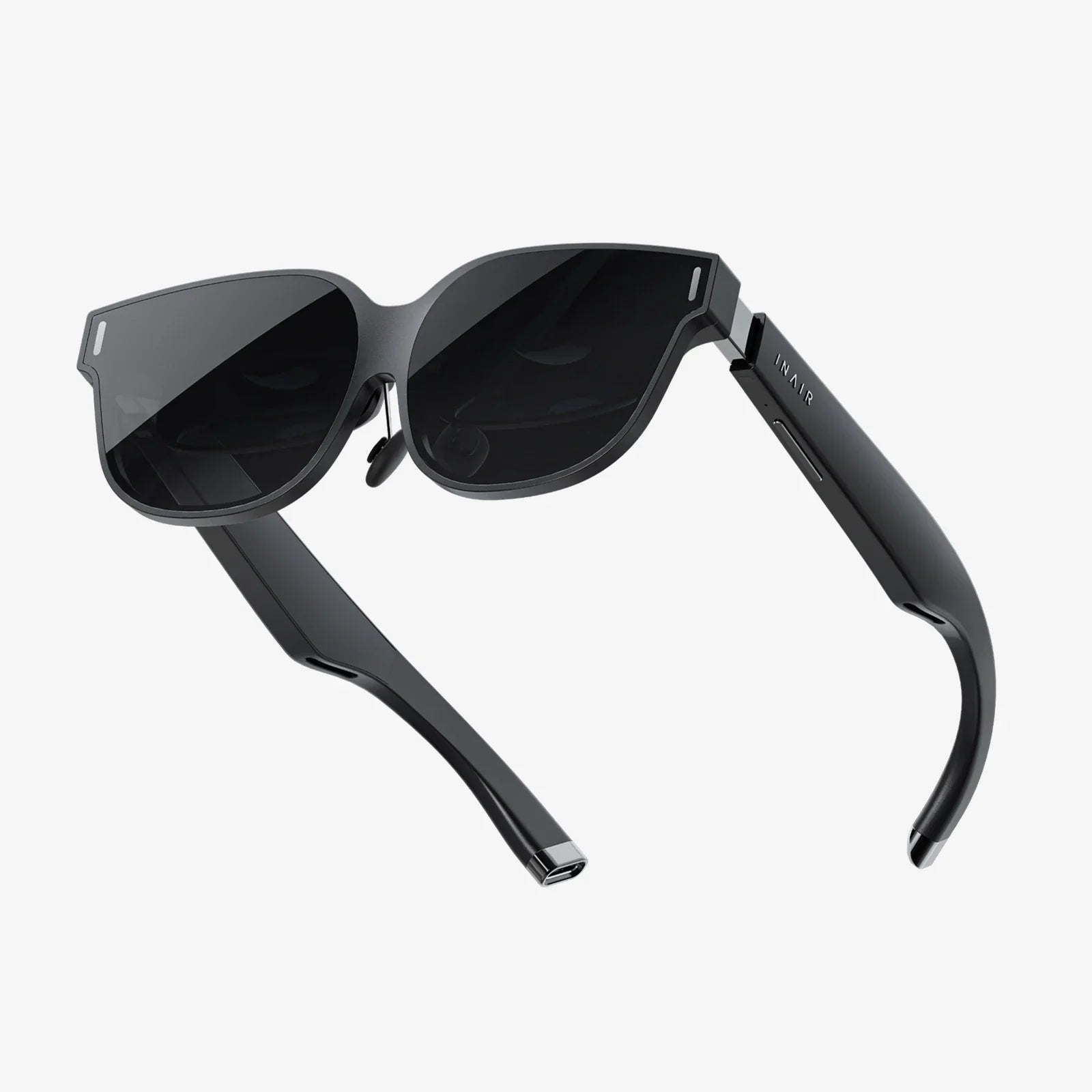
The evolution of augmented reality is accelerating. As hardware like AR glasses becomes more lightweight, affordable, and mainstream, the technology will move beyond the smartphone screen and become a persistent layer integrated into our daily lives. This will open up even more profound opportunities for marketers. Imagine walking down a street and seeing personalized offers overlaid on storefronts, or receiving interactive assembly instructions hovering over a product you just purchased. The line between the digital and physical will blur into irrelevance, creating a world where marketing is not something you see, but something you experience and interact with as a natural part of your environment.
The potential is limitless, and the brands that begin experimenting, learning, and integrating augmented reality into their marketing mix today will be the leaders of this new, immersive tomorrow. They will be the ones building deeper customer relationships, driving innovation, and creating the memorable, share-worthy experiences that define modern brand leadership. The question is no longer if augmented reality will reshape marketing, but how quickly your brand will embrace it to captivate your audience and leave your competitors in a purely physical world.


Share:
Augmented Reality Conferences 2025: The Ultimate Portal to Our Digital Future
Scientific Augmented Reality: The Invisible Revolution Reshaping Discovery