


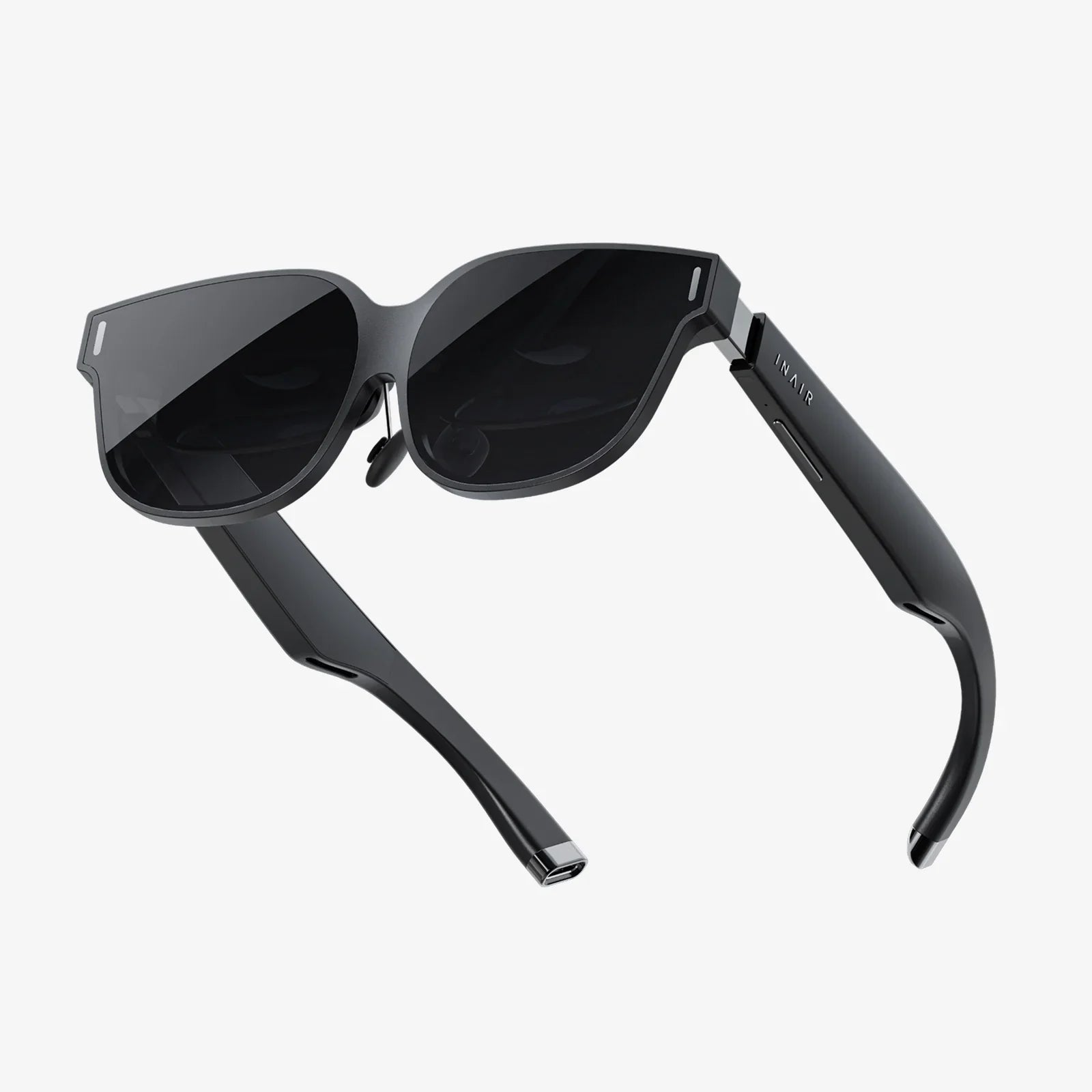
Imagine a world where the digital and physical seamlessly intertwine, where information dances before your eyes, and the very fabric of reality becomes a customizable canvas. This is no longer the realm of science fiction; it is the imminent future being forged by the rapid and relentless evolution of augmented reality. The next digital revolution is not on a screen; it is layered over the world we see, and its arrival will redefine everything from how we work and learn to how we connect and perceive our environment.
The Foundation: From Novelty to Necessity
The journey of augmented reality has been one of fits and starts. Early iterations, often clunky and constrained by technological limitations, offered a glimpse of potential but struggled to move beyond novelty applications. The turning point has been the confluence of several critical technologies reaching maturity simultaneously. The miniaturization of sensors, the exponential growth in processing power, advancements in photonics and waveguide displays, and the ubiquity of high-speed connectivity have collectively dismantled the barriers that once held AR back. We are now transitioning from a phase of proof-of-concept to a era of platform-building, where AR is becoming an integrated, indispensable layer of our digital lives.
Trend 1: The Dawn of True Spatial Computing and The AR Cloud
The most significant trend shaping the future of AR is the shift towards true spatial computing and the development of a persistent, shared digital layer over the physical world—often called the AR Cloud. This is not merely about overlaying a 3D object in your living room. It is about creating a digital twin of the world that understands geometry, semantics, and context.
Spatial computing enables devices to comprehend a space in real-time—understanding the dimensions of a room, the texture of a wall, and the location of objects within it. This allows for digital content to interact with the physical environment in a believable way; a virtual ball can bounce off a real table and roll under a real chair. The AR Cloud acts as the backbone for this, a persistent world-scale network of 3D maps and data that any AR device can access. This means that a digital sculpture left in a public park by one user can be seen and interacted with by another user hours later, creating a shared, persistent augmented experience that is anchored to a specific location.
Trend 2: The Proliferation of Wearable Form Factors
The future of AR will not be experienced primarily through smartphone screens. The ultimate goal is a comfortable, socially acceptable, and highly functional pair of glasses or contact lenses. We are moving along a spectrum of wearable form factors:
- Smart Glasses (Consumer-Focused): Lighter, more stylish, and focused on delivering contextual information (notifications, translations, directions) directly into the user's field of view without being obtrusive. These will serve as a gateway drug to more immersive AR experiences.
- AR Headsets (Enterprise and Prosumer): More powerful devices offering full-color, high-fidelity passthrough AR. These will initially dominate in enterprise settings for complex tasks like remote assistance, design visualization, and advanced training simulations.
- Specialized Niche Devices: Form factors designed for specific use cases, such as sports helmets with integrated AR displays for athletes or specialized eyewear for surgeons displaying patient vitals and imaging data.
- The Long-Term Vision: Neural Interfaces and Smart Contact Lenses: Further into the future, we may see the miniaturization reach its logical conclusion with contact lenses that can project images directly onto the retina or even non-invasive neural interfaces that can stimulate the visual cortex to perceive digital imagery, effectively bypassing the eye altogether.
Trend 3: The AI and Machine Learning Symbiosis
AR cannot and will not evolve in a vacuum. Its progress is inextricably linked with advancements in artificial intelligence and machine learning. AI is the brain that makes AR glasses smart. Machine learning algorithms are crucial for several core AR functions:
- Scene Understanding: AI parses the camera feed to identify objects, people, and surfaces, allowing the AR system to place content appropriately.
- Gesture and Gaze Tracking: Advanced ML models enable intuitive control interfaces where users can interact with digital content using nothing but their hands, eyes, and voice.
- Contextual Awareness: AI will analyze the environment and the user's behavior to predict and serve up the most relevant information automatically. Walking past a restaurant could trigger reviews and menu highlights; looking at a complex piece of machinery could instantly pull up its manual and operational data.
- Content Generation: Generative AI models will allow users to create and manipulate AR content on the fly using natural language commands. Imagine saying, "Create a medieval castle here," and watching as an AI-generated structure renders itself onto your coffee table.
Trend 4: The Enterprise Metaverse Becomes Reality
While consumer applications capture the imagination, the near-term economic engine for AR will be the enterprise sector. The concept of the "industrial metaverse" is taking root, where physical facilities, processes, and products are mirrored in real-time digital twins that can be viewed and manipulated through AR.
This will revolutionize fields like manufacturing, where technicians on the factory floor can see assembly instructions overlaid directly on the machinery they are repairing. In architecture and construction, teams can walk through full-scale, interactive 3D models of a building before a single foundation is poured, identifying design clashes and making changes in real-time. Remote experts will be able to see what a field worker sees and annotate their reality with arrows, notes, and diagrams to guide them through complex procedures, drastically reducing downtime and errors. This is not a distant future; it is happening now and will become standard practice across global industries.
Trend 5: Redefining Social Interaction and the Creator Economy
AR will fundamentally alter the nature of social connection. Social AR will move beyond fun filters to create shared experiences that feel tangibly present. Friends living continents apart could meet up as realistic avatars in a shared AR space, playing a virtual board game on a real table or watching a movie on a virtual screen pinned to a wall. This has profound implications for reducing the feeling of distance and fostering connection.
Furthermore, AR will unleash a new wave of the creator economy. Tools are becoming more accessible, allowing artists, designers, and developers to create AR experiences and content. We will see the emergence of AR-native artists who design digital sculptures for public spaces, storytellers who create location-based narratives, and educators who build interactive historical tours. This digital layer over our world will become a new medium for artistic expression and cultural commentary.
Navigating the Inevitable Challenges
This augmented future is not without its significant challenges. The collection of vast amounts of visual and spatial data raises immense privacy concerns. Who owns the data collected by AR glasses constantly scanning their environment? How do we prevent persistent AR spam or malicious digital graffiti? The potential for deepfakes to evolve into "realityfakes" in AR is a terrifying prospect.
There are also societal questions about the digital divide. Will access to powerful AR tools and the information they provide create a new class of haves and have-nots? And perhaps most fundamentally, as we spend more time engaged with a digital layer, how do we ensure it enhances our reality rather than distracts us from it? Establishing ethical frameworks, robust security protocols, and thoughtful digital citizenship will be as important as the technological developments themselves.
The lines between our physical existence and our digital lives are blurring at an accelerating pace. Augmented reality is the lens through which this merger is happening, offering a future filled with unimaginable potential to enhance human capability, creativity, and connection. The world is about to become our interface, and the next chapter of human-computer interaction is being written not on glass slabs, but all around us.
Share:
3D Augmented Reality: The Invisible Layer Reshaping Our World
AR VR Development Company: Your Ultimate Guide to Building Immersive Experiences