


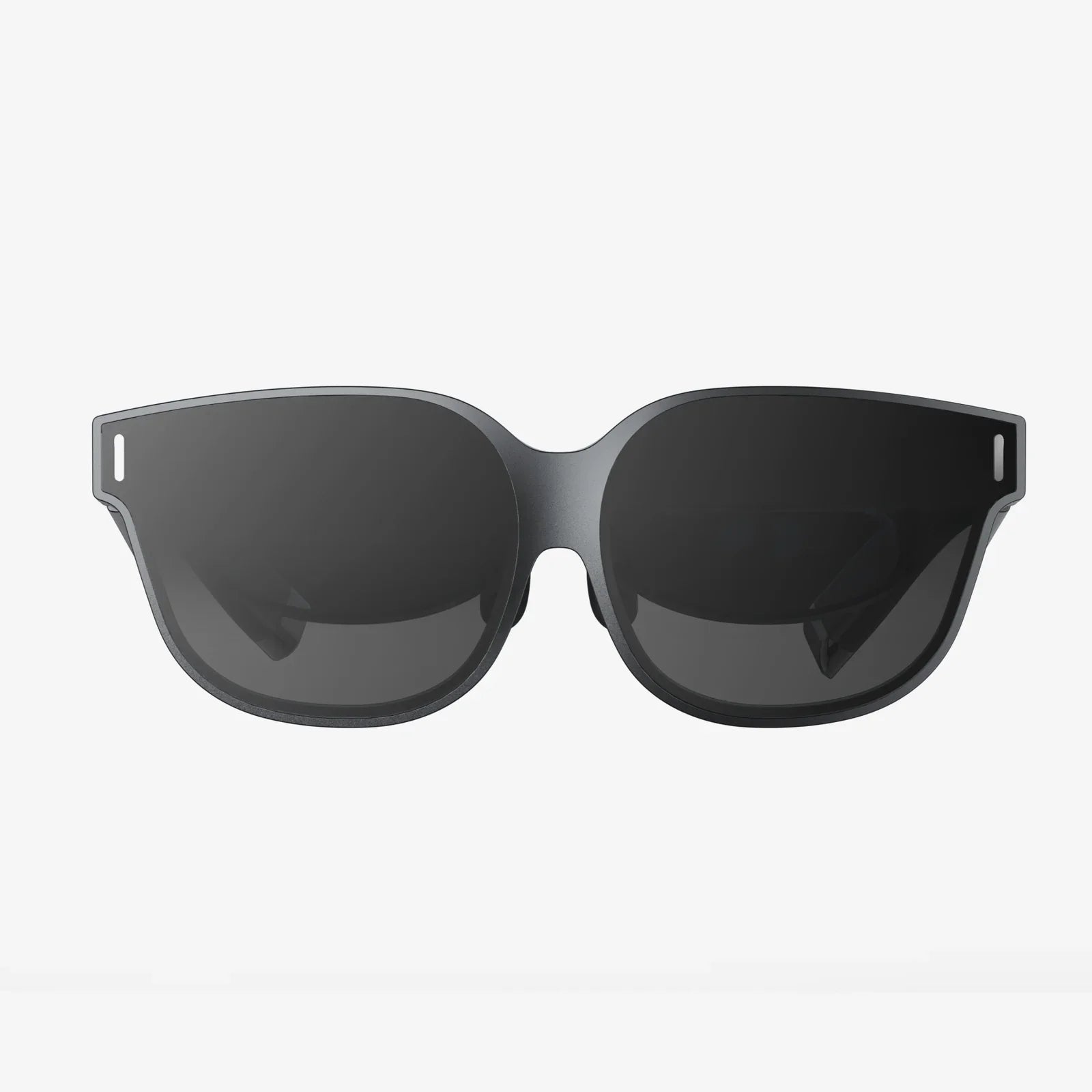
Imagine walking through the historic streets of Old Quebec, and with a simple glance, seeing the fortifications and characters of the 18th century seamlessly overlay the modern cafés and shops. Or envision a technician in a remote Alberta oil sands facility receiving real-time, hands-free instructions from an expert thousands of kilometers away in Toronto. This is not a distant science fiction fantasy; it is the rapidly dawning reality in Canada, powered by a new wave of wearable technology. The conversation around augmented reality glasses in Canada is shifting from speculative wonder to tangible application, promising to redefine the Canadian experience in ways we are only beginning to understand.
The Canadian AR Landscape: More Than Just a Pretty (Digital) View
The concept of augmented reality—digital information and objects superimposed onto our physical world—has been with us for years, primarily experienced through smartphone screens. However, the evolution into dedicated eyewear represents a quantum leap. Unlike their virtual reality counterparts, which create entirely immersive digital environments, AR glasses are designed for the real world, enhancing it rather than replacing it. This key distinction makes them uniquely suited for a vast array of practical, everyday applications, particularly in a country as vast and diverse as Canada.
The Canadian market for this technology is being shaped by several distinct factors. Canada's renowned strengths in sectors like natural resources, engineering, healthcare, and education provide fertile ground for enterprise-level adoption. Furthermore, the country's existing tech ecosystem, with world-class hubs in Toronto, Vancouver, Montreal, and Waterloo, is a hotbed for software development and AI research—the very brains that will power these hardware devices. This combination of industrial need and technological capability positions Canada not just as a consumer, but as a crucial innovator in the global AR space.
Transforming the World of Work: From the Oil Patch to the Operating Room
The most immediate and profound impact of augmented reality glasses in Canada is occurring within the enterprise and industrial sectors. For a nation whose economy is heavily reliant on complex, large-scale, and often remote industrial projects, the value proposition is immense.
Revolutionizing Field Service and Maintenance
Consider a heavy equipment mechanic in Fort McMurray. Faced with a malfunctioning turbine, they can don a pair of AR glasses to see a digital schematic overlaid directly onto the physical machinery. Step-by-step animated instructions can guide their every move, highlighting specific components and torque specifications. A remote senior engineer can see exactly what the field technician sees through a live video feed, and using digital annotations—literally drawing arrows and circles in the technician's field of view—can provide expert guidance without ever boarding a plane. This drastically reduces downtime, minimizes errors, and allows a single expert to support a distributed workforce across the country.
Advancing Healthcare and Medical Training
In Canadian hospitals and medical schools, AR glasses are poised to save lives and enhance training. A surgeon performing a complex procedure could have vital signs, 3D anatomical models from pre-op scans, and other critical data displayed in their periphery without looking away from the patient. Medical students at institutions like the University of Toronto or McGill could practice procedures on digital overlays, accelerating their learning curve in a risk-free environment. For telemedicine, a paramedic in a rural community in Nunavut could be guided through an emergency procedure by a specialist in Ottawa, improving outcomes in areas with limited access to care.
Enhancing Design and Architecture
Canadian architects and interior designers are using AR glasses to walk clients through digital prototypes of buildings before a single foundation is poured. They can visualize life-size 3D models on the actual building site, allowing for adjustments to scale, sightlines, and lighting in real-time. This collaborative visualization improves client communication, reduces costly change orders, and ensures the final product aligns perfectly with the initial vision.
Enriching Daily Life: Navigation, Tourism, and Retail
Beyond the workplace, augmented reality glasses hold the potential to weave digital convenience and wonder into the fabric of Canadian daily life.
A New Era for Canadian Tourism
Canada's rich history and stunning landscapes are a perfect canvas for AR. Imagine visiting the Canadian Museum of History in Gatineau and, through your glasses, watching a historical reenactment unfold around you. Tourists walking through Stanley Park in Vancouver could see information about native flora and fauna pop up as they gaze at it. This technology can make learning immersive and interactive, transforming every historical site and national park into a living, digital storybook.
Reimagining Retail and E-Commerce
The Canadian retail experience is set for an upgrade. Shoppers could try on virtual clothing or see how a new sofa would look in their living room at true scale and with accurate lighting, all from their own home. Grocery shoppers could see recipe suggestions, nutritional information, or even allergy warnings as they look at products on the shelf. This merges the convenience of online shopping with the confidence of in-person evaluation.
Intuitive Urban Navigation
For residents and visitors in bustling Canadian cities like Toronto or Montreal, AR glasses could project intuitive directional arrows onto the sidewalk, guiding them to their destination without the need to constantly look down at a phone. Public transit schedules, points of interest, and restaurant ratings could be displayed simply by looking at a station or storefront, making urban exploration seamless and more engaging.
Navigating the Frontier: Challenges and Considerations
The path to widespread adoption of augmented reality glasses in Canada is not without its obstacles. These challenges must be thoughtfully addressed by developers, policymakers, and society as a whole.
The Question of Connectivity
For cloud-connected AR experiences to function flawlessly, they require robust, high-speed, low-latency networks. While major Canadian urban centers are well-served, vast stretches of the country, particularly in the North and rural areas, still face significant connectivity gaps. The full potential of real-time, data-heavy AR applications in these regions is contingent on the continued rollout and improvement of 5G and other advanced network infrastructures across the nation.
Privacy and the Social Contract
The ability to record video and audio discreetly through glasses raises profound privacy concerns. The concept of a "surveillance society" becomes more tangible when everyone could potentially be recording at any time. Canada's strict privacy laws, including PIPEDA, will need to evolve to address these new realities. Clear social norms and technological safeguards—such as obvious recording indicators and geofenced restrictions—will be essential to ensure public comfort and trust.
Designing for the Canadian Climate
Hardware designed in California does not always fare well in a Canadian winter. AR glasses must be durable enough to function in temperatures ranging from +30°C in the summer to -40°C in the winter. Battery life, a challenge for all mobile devices, is severely taxed in cold weather. Furthermore, designs must be practical, perhaps integrating with other winter wear like tuques and hoods, to be truly useful for Canadians for more than half the year.
The Future is Through a Canadian Lens
The next five to ten years will see augmented reality glasses evolve from specialized professional tools to more consumer-friendly devices. As the technology becomes lighter, more powerful, and more affordable, we will see its integration into everything from education, where students can explore the human body or the solar system in 3D, to remote work, creating a true sense of "presence" for distributed teams.
Canadian companies and institutions are already at the forefront of this research, developing the core software, applications, and content that will define these experiences. The future will likely see a blend of the physical and digital worlds becoming commonplace, changing our fundamental relationship with information and with each other.
The true magic of augmented reality glasses in Canada lies not in the technology itself, but in its power to bridge vast distances, preserve and illuminate our heritage, and empower individuals with instant knowledge. It’s a tool that feels almost tailor-made for a country that has always had to innovate to connect, to overcome geographic isolation, and to build a modern society within a breathtaking and formidable landscape. The next chapter of Canada’s story may very well be written not on paper, but projected onto the world around us, forever enhancing our perception of the True North.
Share:
AR Technology in Business: The Augmented Revolution Reshaping Enterprise
Gaming Glasses Price India: A Complete Buyer's Guide for 2024