


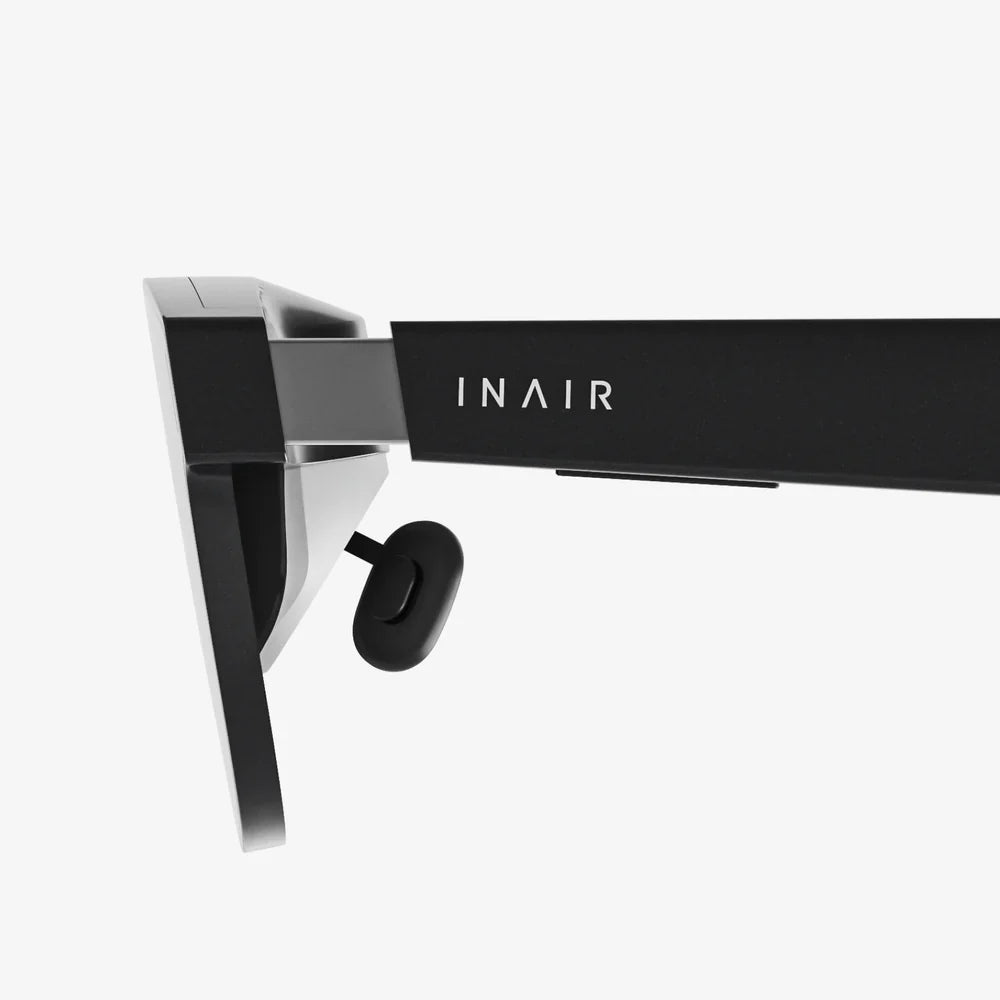
Imagine a world where your digital assistant doesn't just live in your ear or your pocket, but dances playfully in your field of vision, where helpful information is presented not with sterile, corporate minimalism, but with the charm and warmth of a beloved cartoon character. This is the future being unlocked by a surprising yet powerful trend: the rise of cute augmented reality glasses. For too long, the promise of AR has been shackled to the cold, utilitarian designs of science fiction—bulky, intimidating headsets that screamed ‘early adopter’ and whispered ‘cyborg’ to the average consumer. But a revolution is brewing, one that understands that the gateway to mass adoption isn't just raw technological power, but emotional connection. By embracing cuteness, designers are not merely making a stylistic choice; they are crafting a fundamental shift in how we perceive and interact with the digital layer of our world, transforming intimidating tech into an inviting companion.
The Psychology of Cute: More Than Just a Pretty Face
To dismiss 'cute' as a superficial or frivolous design trend is to profoundly misunderstand its potent psychological underpinnings. The aesthetic of cuteness, or 'kawaii' as deeply ingrained in certain cultures, taps into a fundamental human response. It triggers our innate nurturing instincts, releasing neurochemicals like dopamine and oxytocin that generate feelings of happiness, affection, and trust. When this powerful emotional toolkit is applied to technology, especially one as intimate and pervasive as augmented reality glasses, it performs a critical function: it disarms user anxiety.
Traditional tech wearables often carry a social stigma; they can be isolating, marking the wearer as disconnected from their immediate environment. A pair of sleek, black, faceless glasses can feel like a barrier. In contrast, cute AR glasses, with their softer curves, playful color palettes (think pastels, translucent finishes, or warm metallics), and perhaps even customizable decorative elements, become a fashion statement and a social accessory. They signal approachability and fun. They don’t say, “I am a data-processing machine”; they whisper, “I am here to play, to help, and to explore with you.” This emotional resonance is the key that will unlock AR for demographics previously hesitant to engage, from younger users to those who are typically tech-averse.
Design Philosophy: Engineering Warmth and Whimsy
Infusing cuteness into AR glasses is a complex engineering and design challenge that goes far beyond slapping a cute sticker on a lens. It requires a holistic rethinking of form, function, and user interface (UI).
The Form Factor: From Geek to Chic
The first and most obvious battleground is physical design. The goal is to move away from the bulky, helmet-like prototypes of yesteryear. This involves:
- Lightweight Materials: Utilizing advanced polymers and composites to create frames that are barely-there, avoiding the heavy, front-loaded feeling that causes fatigue.
- Organic Shapes: Replacing harsh, angular lines with gentle, rounded curves that mimic friendly, organic forms. Think oval lenses, softly tapered arms, and a overall silhouette that feels more like a favorite pair of vintage sunglasses than a piece of lab equipment.
- Playful Color and Texture: Moving beyond monochrome black, white, and silver. Imagine glasses in lavender, mint green, butter yellow, or frosted translucent finishes that hint at the technology within without being overt. Textured finishes that mimic candy coatings or pearlescent effects can add a tactile dimension.
- Customization: The ultimate expression of personal cuteness. Interchangeable magnetic temple tips in different colors and patterns, tiny charms that attach to the arms, or even digitally customizable LED patterns on the frames allow the user to express their mood and personality.
The Digital Heart: A Friendly Interface
The hardware is only half the story. The digital overlay—the information and animations projected onto the real world—must be equally charming. This is where the true magic happens. Instead of cold, floating windows of text and data, a cute AR interface could feature:
- Animated Mascots: Your navigation guide isn't a pulsating arrow but a bouncing, friendly creature that leads the way. Your fitness coach could be a cheerful animal celebrating your achievements.
- Playful Icons and Notifications: Message alerts could be delivered by a fluttering paper airplane, a low battery warning by a sleepy, yawning emoji-like character begging for a recharge.
- Gamified Interactions: Learning a new language? Words could float in the air like bubbles waiting to be popped, revealing their translation. Completing tasks could earn you digital stickers for your AR profile.
- Soothing Sound Design: Audio cues would use melodic chimes, soft clicks, and warm vocal tones instead of harsh, beeping alarms.
This approach makes interacting with complex information feel effortless, intuitive, and, most importantly, joyful.
Beyond Novelty: The Functional Power of a Friendly AR Companion
While the aesthetic is delightful, the true value of this design shift lies in its profound functional benefits. Cuteness isn't just a mask; it's a usability superpower.
- Reduced Cognitive Load: A friendly, simple interface is easier and less mentally taxing to process than a dense, information-packed HUD. This is crucial for a technology that aims to overlay our reality without overwhelming it.
- Enhanced Learning and Retention: The principles of gamification and playful interaction are proven to enhance engagement and improve memory retention. A cute AR tutor could make education for children (and adults!) radically more effective and enjoyable.
- Improved Mental Well-being: Imagine an AR companion that gently encourages you to take breaks, practice mindfulness with a calming guided animation, or offers words of encouragement during a stressful day. This transforms the glasses from a tool into a supportive partner in mental health.
- Social Connection: Cute AR filters and shared experiences are already a massive trend on social media via smartphones. Native AR glasses will take this to the next level. Friends could leave cute digital notes or drawings for each other in shared physical spaces, or collaborate on projects using intuitive, playful tools.
A New Social Contract: Cute Tech in Public Spaces
The introduction of any always-on wearable camera and display rightfully raises significant questions about privacy and social etiquette. The cute aesthetic can play a surprising role in navigating this complex landscape. A device that looks friendly and non-threatening may face less social resistance and suspicion than a ominous, covert recording device. Designers can leverage this by building in clear, cute visual signals—like a friendly, glowing LED “eye” that activates when recording—that communicate the device's status to those around the wearer, fostering transparency and trust.
The Future is Adorable: What’s Next for Cute AR?
As the underlying technology for AR—waveguide lenses, micro-LED projectors, spatial audio, and battery efficiency—continues to advance, the potential for cute design will explode. We can anticipate:
- Hyper-Realistic Mascots: AI-powered digital beings that live in your glasses, with personalities that learn and evolve with you, offering companionship and assistance with unparalleled charm.
- Biometric Responsiveness: Glasses that detect your stress levels through physiological sensors and respond by having your digital pet perform a calming dance or filling your environment with soothing, augmented visuals.
- Seamless Style Integration: Collaborations with fashion brands will make AR glasses indistinguishable from high-end, cute fashion accessories, available in countless styles to match any outfit or occasion.
The journey to perfect augmented reality is not just a race for higher resolution and wider field-of-view. It is a deeply human-centered endeavor to seamlessly weave technology into the fabric of our lives. By embracing the disarming, joyful, and universally understood language of cuteness, developers and designers are building a bridge. They are creating a future where technology doesn't demand that we adapt to its cold logic, but instead adapts to us, serving our needs with a smile, a warm color palette, and a playful spirit. This isn't a dilution of AR's power; it's the evolution of its soul, ensuring that the next digital revolution will be the most inviting one yet.
Forget the cold, chrome visions of the future you’ve seen in movies; the next generation of wearable tech is more likely to make you say ‘aww’ than ‘wow,’ and that’s the most exciting technological breakthrough of all. The world is about to put on a pair of glasses that makes reality not just smarter, but kinder, happier, and infinitely more magical—and it’s going to look absolutely adorable doing it.
Share:
Virtual Office Space Definition: The Complete Guide to the Future of Work
Virtual Office Space Definition: The Complete Guide to the Future of Work