


- by wangfred
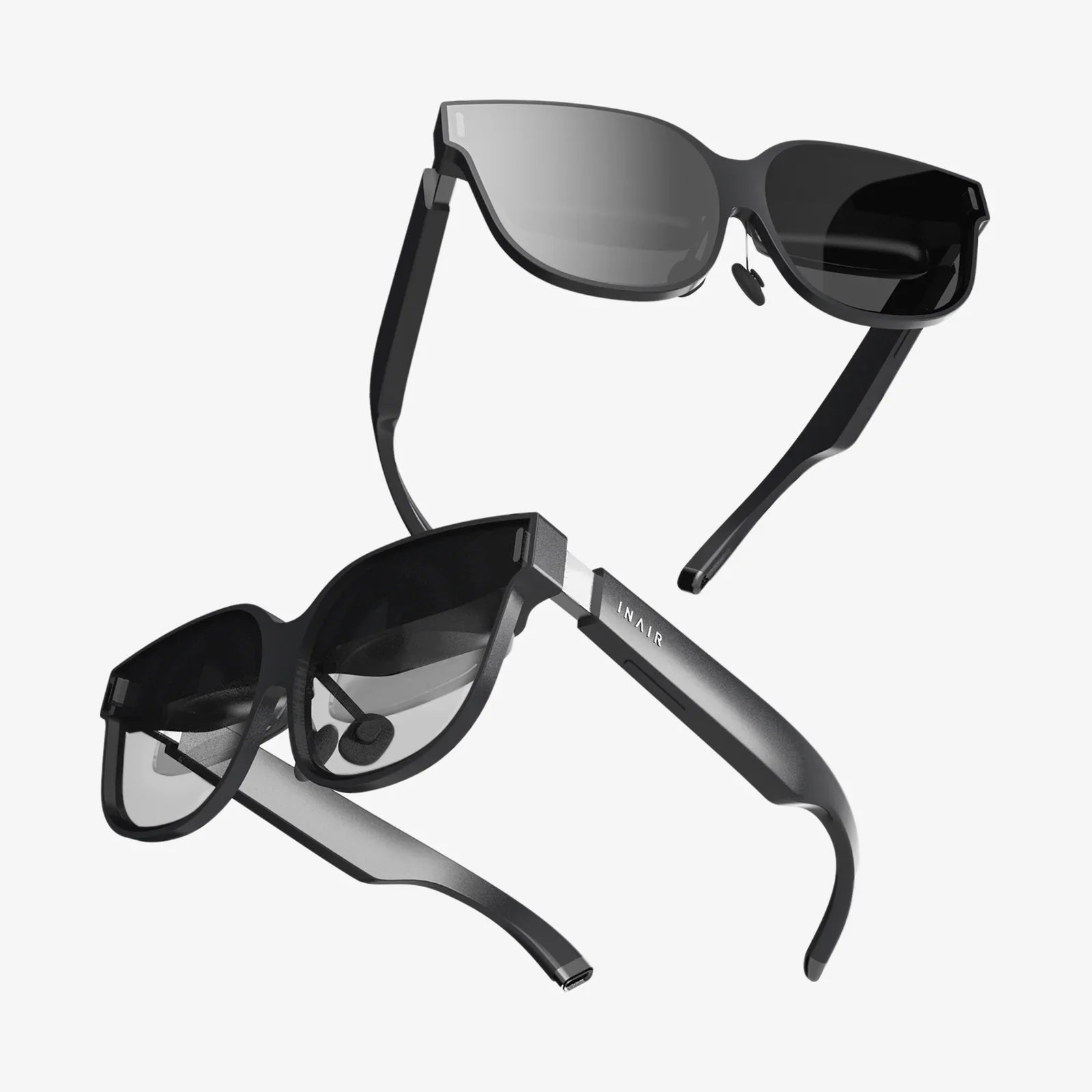
Augmented Reality Glasses Malaysia: A New Vision for the Future
- by wangfred
The digital landscape is shifting beneath our feet, and nowhere is this more palpable than in the vibrant tech scene of Southeast Asia. For Malaysians, the future is no longer a distant concept to be read about in science fiction; it is being tried on, explored, and integrated into daily life through a revolutionary piece of wearable technology. This is not just about viewing a screen; it is about enhancing the very fabric of reality itself, opening up a world of possibilities that were, until recently, the stuff of imagination. The journey into this new dimension is beginning, and it promises to change everything.
Malaysia's position as a burgeoning digital economy makes it a perfect incubator for cutting-edge technologies like augmented reality (AR) wearables. Government initiatives, such as the Malaysia Digital Economy Blueprint, actively promote the adoption of IR 4.0 technologies, creating a supportive ecosystem for innovation. A young, tech-savvy population, with one of the highest smartphone penetration rates in the region, is eager to embrace new digital experiences. This unique combination of top-down support and bottom-up enthusiasm provides a fertile ground for AR glasses to move from niche gadgets to mainstream tools.
Furthermore, the nation's robust manufacturing and industrial sectors are continuously seeking solutions to improve efficiency, training, and safety. AR technology presents tangible answers to these challenges, driving early adoption in enterprise settings before a wider consumer rollout. This practical, problem-solving approach is accelerating the integration of AR into the Malaysian workforce, building a foundation of familiarity and utility that will ease the path to broader acceptance.
While the allure of immersive games and interactive entertainment is a significant driver, the true potential of augmented reality glasses in Malaysia lies in their practical, life-enhancing applications.
Imagine a medical student in Kuala Lumpur peering through their glasses to see a detailed, interactive 3D model of the human heart hovering over their textbook. They can rotate it, peel back layers, and observe animations of blood flow, transforming abstract diagrams into an engaging, hands-on learning experience. Vocational trainees can learn to repair complex machinery with digital instructions overlaid directly onto the physical equipment, highlighting each tool and component in real-time. This paradigm shift from passive learning to active, visual interaction can dramatically improve comprehension and retention, empowering a new generation of Malaysian professionals.
The Malaysian retail landscape is on the cusp of a major transformation. Augmented reality glasses will allow consumers to try on
clothes, accessories, or even makeup virtually from the comfort of their homes. Furniture shoppers will be able to see how a new sofa looks in their actual living room, checking for size, color, and style fit before making a purchase. This fusion of online convenience and in-store confidence will reduce purchase anxiety and returns, creating a more satisfying and efficient shopping journey. Local businesses can leverage this technology to create unique, immersive catalogues and showrooms, levelling the playing field with larger international retailers.
Malaysia's rich cultural tapestry and stunning tourism destinations are ideal for AR enhancement. Tourists wearing AR glasses at historical sites like the Malacca Sultanate Palace or the George Town UNESCO World Heritage site could witness historical reenactments unfold before their eyes. They could see digital reconstructions of ancient ruins or receive contextual information about artifacts simply by looking at them. This technology can bring history to life, creating deeply memorable and educational experiences that go far beyond a standard audio guide, boosting cultural tourism and preservation efforts.
In sectors like manufacturing, logistics, and field services, AR glasses are already proving their worth. A technician performing maintenance on an oil rig off the coast of Sabah can have schematics, safety data, and live video feed from a remote expert streamed directly into their line of sight, enabling them to work hands-free and with expert guidance. Warehouse workers can have optimal picking routes and inventory information displayed, drastically reducing errors and speeding up fulfillment processes. These enterprise applications are not futuristic; they are present-day solutions driving productivity and safety in the Malaysian economy.
Despite the exciting potential, the path to ubiquitous augmented reality glasses in Malaysia is not without its obstacles. The foremost challenge remains the cost. Advanced AR wearables represent a significant investment, placing them out of reach for the average consumer in the short term. This creates an adoption curve that will likely start within enterprise and professional contexts before trickling down to the mass market.
Technical limitations such as battery life, field of view, processing power, and connectivity also present hurdles. For AR glasses to be truly seamless, they need to be lightweight, comfortable for all-day wear, and capable of rendering high-quality graphics without draining their battery within an hour. Furthermore, the development of a robust digital ecosystem—including a wide array of Malaysia-relevant apps, content, and services—is crucial. Without compelling software, the hardware is merely a novelty.
Perhaps the most complex challenges are social and psychological. The concept of constantly wearing a camera on one's face raises valid concerns about privacy and data security. The social etiquette of interacting with someone who is partially immersed in a digital world is yet to be defined. There is also a risk of a digital divide, where access to this transformative technology exacerbates existing socioeconomic inequalities. Addressing these concerns through thoughtful design, clear regulations, and public discourse will be essential for responsible integration.
The evolution of augmented reality glasses is moving at a breakneck pace. We are rapidly approaching a future where the technology will be indistinguishable from regular eyewear—sleek, socially acceptable, and packed with powerful capabilities. For Malaysia, this future holds incredible promise. We can anticipate a nation where AR glasses assist doctors in complex surgeries, help architects visualize new buildings within the existing cityscape, and allow families to share immersive experiences regardless of physical distance.
The convergence of AR with other technologies like 5G and artificial intelligence will unlock even more possibilities. Ultra-fast, low-latency connectivity will enable complex cloud rendering, reducing the processing burden on the device itself. AI-powered contextual awareness will allow the glasses to understand their environment and provide relevant information intuitively. This technological synergy will make the AR experience smoother, more powerful, and more deeply integrated into our daily routines.
Malaysia, with its dynamic mix of tradition and modernity, is poised to become a fascinating case study in the adoption of this technology. The journey will be iterative, overcoming hurdles one by one, but the direction is clear: towards a more connected, informed, and enhanced reality.
The world is about to be layered with a new dimension of information and interaction, and this is an invitation to see it all through a new lens. For those in Malaysia curious about the next wave of digital transformation, the most exciting developments are not just on the horizon—they are being built, tested, and imagined right now. The potential to learn, work, and play in ways we are only beginning to understand is immense, and it starts with looking at the world not for what it is, but for what it could be.
Share:
Holographic Display How It Works: A Deep Dive into the Future of Visual Technology
Interactive Digital Window Displays: The Future of Retail Engagement