


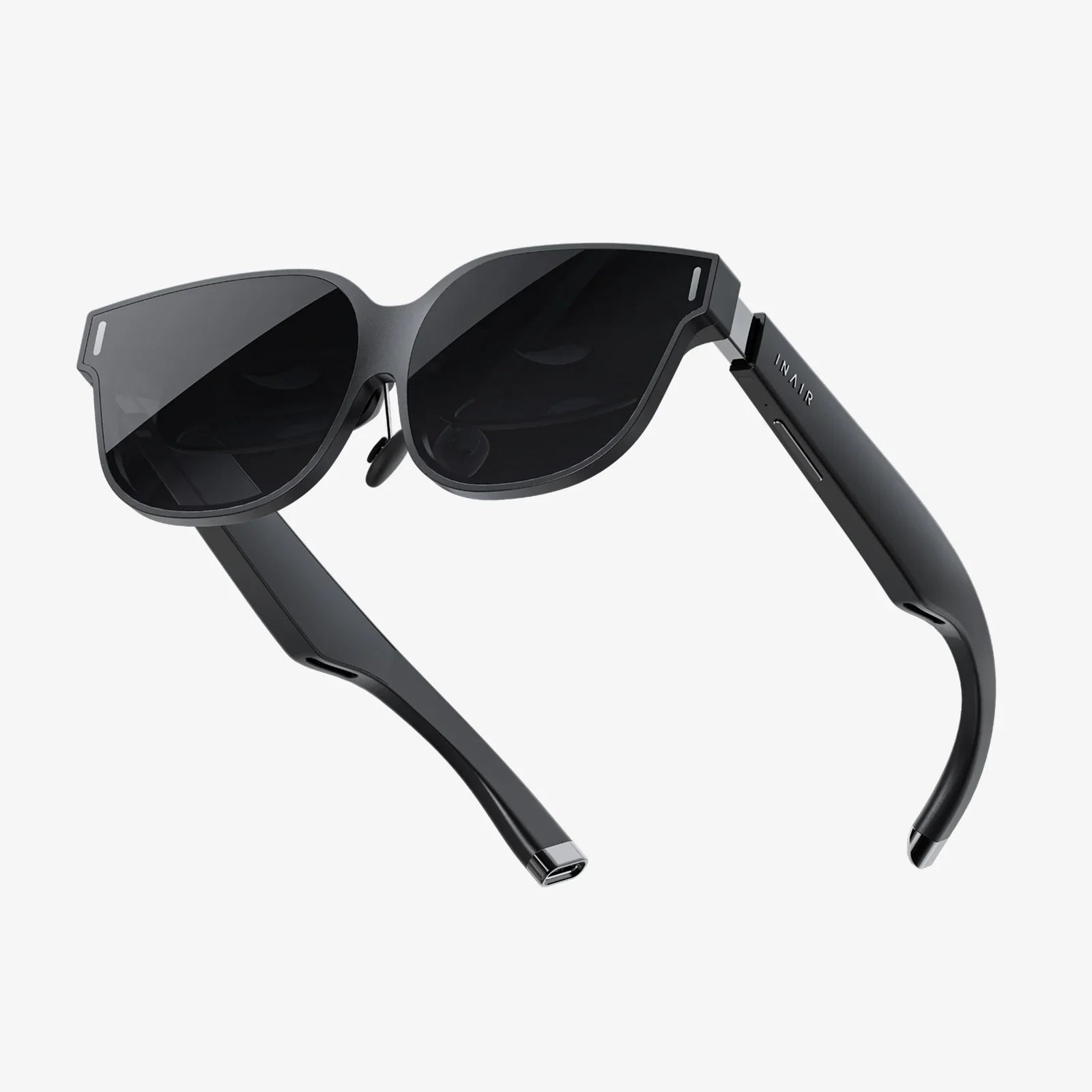
Imagine a world where digital information doesn't trap you behind a screen but instead, seamlessly overlays and enriches the physical environment around you. Directions float on the pavement guiding your way, historical figures materialize in a museum to tell their stories, and the nutritional information of your breakfast cereal hovers above the box. This is not a distant sci-fi dream; it is the rapidly emerging reality of augmented reality in daily life, an invisible revolution that is poised to redefine human interaction with the world.
The Foundation: Understanding the AR Spectrum
Before delving into its applications, it is crucial to understand what augmented reality truly is. Unlike Virtual Reality (VR), which creates a completely immersive, digital environment that replaces the real world, AR enhances the real world by superimposing computer-generated perceptual information onto it. This can include visual elements, sound, haptic feedback, and even olfactory data. The magic of AR lies in its ability to run in real-time and interact spatially with the environment, making the digital content appear as if it is part of the physical world.
The technology leverages a combination of hardware and software. Cameras and sensors scan the environment to understand surfaces, depth, and lighting. Sophisticated algorithms, including Simultaneous Localization and Mapping (SLAM), then process this data to anchor digital objects precisely within the physical space. This processed information is finally rendered through a display, which can range from the smartphone in your pocket and smart glasses on your face to emerging technologies like AR contact lenses and vehicular head-up displays (HUDs).
Transforming the Retail and Shopping Experience
One of the most visible and adopted applications of AR is in the realm of commerce. It is solving a fundamental problem of online shopping: the inability to try before you buy.
- Virtual Try-On: Shoppers can now see how eyewear, makeup, or watches look on their own face and wrist in real-time through their phone's camera. For apparel, advanced solutions allow users to create a precise 3D avatar of their body and visualize how clothes from an online store would fit and drape on their unique shape, drastically reducing sizing uncertainty and return rates.
- Furniture and Home Decor: Perhaps the most revolutionary use case is in home furnishing. Users can point their device at a empty corner of their room and place a virtual sofa, lamp, or table into that space. They can walk around it, see it from different angles, and ensure it fits both the physical dimensions and the aesthetic of the room before making a purchase. This eliminates the dreaded guesswork of whether a new piece will 'work' in a space.
- Enhanced In-Store Navigation: Large retail stores are deploying AR wayfinding. By simply lifting their phone, shoppers can see digital arrows on the floor guiding them to the exact aisle and shelf for their desired product, alongside flashing promotions and reviews for items they pass.
Revolutionizing Education and Skill Acquisition
AR is moving education from passive observation to active, immersive participation, making abstract concepts tangible and complex subjects accessible.
- Interactive Learning: Anatomy students can explore a life-sized, beating human heart hologram from all angles, peeling back layers to reveal musculature, ventricles, and arteries. History classes can transport students to ancient Rome, walking through digitally reconstructed forums and coliseums superimposed onto their schoolyard. Chemistry students can safely combine virtual elements to see reactions and molecular structures form in mid-air.
- Professional Training and Manuals: Complex machinery can be annotated with AR labels, showing a technician the name and function of each part simply by looking at it through a tablet. Step-by-step repair instructions can be overlaid directly onto the equipment, guiding hands through procedures and drastically reducing errors. This is invaluable for fields from manufacturing and surgery to aviation and field service.
- Language Learning: Point your phone at an object, and its name and pronunciation in a foreign language can appear floating next to it, creating a constant, contextual learning environment.
Redefining Navigation and Wayfinding
GPS navigation revolutionized how we find our way, but it has a critical flaw: it exists on a separate 2D screen, forcing us to constantly look down and translate the map to the real world. AR navigation solves this.
- Urban Navigation: Instead of staring at a blue dot on a map, users can see large, clear arrows and street names painted directly onto the road through their smartphone or AR glasses. This allows for intuitive, heads-up navigation, making it safer for pedestrians and cyclists. Points of interest, like a highly-rated café or a historical landmark, can be highlighted in the real world as you walk by.
- Indoor Navigation:
Finding your gate in a massive airport, a specific product in a sprawling supermarket, or a conference room in a large office building can be frustrating. AR wayfinding apps can project a path on the floor, guiding you turn-by-turn through complex indoor spaces, a boon for accessibility and general convenience.
The New Frontier of Social Interaction and Entertainment
AR is creating shared experiences that blend the digital and physical, forging new forms of play and connection.
- Gaming: The global phenomenon of location-based AR games demonstrated the power of this technology to get people moving and exploring their cities in novel ways. Players collaborate to capture virtual territories tied to real-world parks and landmarks, encountering digital creatures on their sidewalks.
- Social Media and Communication: Filters and lenses that add bunny ears, funny masks, or artistic effects to selfies are a ubiquitous and lightweight form of AR. This is evolving into more persistent shared experiences, where friends in different locations can place a shared virtual object in their respective living rooms and interact with it together through their screens, creating a new layer of connected presence.
- Live Events and Tourism: At concerts, AR can display setlists, artist information, and fantastical visual effects over the stage for those in the audience. Tourists pointing their phones at a monument can see it digitally restored to its former glory, with historical reenactments playing out before them.
Enhancing Health, Wellness, and Personal Productivity
On a deeply personal level, AR is becoming a tool for self-improvement and health management.
- Fitness and Coaching: Imagine a personal trainer appearing in your living room, demonstrating exercises and correcting your form in real-time through your smart mirror. AR can overlay running stats like pace and heart rate directly onto your path, or create immersive, game-like cycling experiences indoors.
- Assistive Technology: For individuals with visual impairments, AR glasses can identify obstacles, read text aloud from menus and signs, and highlight the edges of stairs, granting greater independence. For those with hearing impairments, AR can provide real-time captions for conversations, displaying who said what directly in the user's field of vision.
- Personal Data Visualization: Your smartwatch's health data could be projected onto your morning cereal bowl, showing calorie counts and nutritional breakdowns. Your daily schedule and reminders could appear contextually on your desk or front door as you get ready to leave.
Navigating the Challenges and the Road Ahead
This technological shift is not without its significant hurdles and ethical considerations.
- Privacy and Data Security: AR devices, by their very nature, are data collection powerhouses. They have constant cameras and sensors scanning everything in their environment. This raises profound questions: Who owns this data? How is it stored and used? The potential for surveillance, unauthorized data harvesting, and even new forms of spam (virtual graffiti on real-world property) is a serious concern that requires robust legal and ethical frameworks.
- Digital Divide and Accessibility: Widespread adoption relies on affordable hardware and reliable connectivity. There is a risk of creating a new societal divide between those who can afford to access this augmented layer of reality and those who cannot, potentially exacerbating existing inequalities.
- Social and Psychological Impact: Will constant digital overlays lead to a further disconnection from the natural, unaugmented world? Could it create a new form of distraction, making us less present in our immediate physical surroundings? The long-term effects on attention spans, memory, and social skills are still unknown.
- Hardware Limitations: For AR to become truly seamless, it needs to break free from the smartphone. The ideal form factor—lightweight, stylish, all-day smart glasses with long battery life and powerful computing—remains a technological challenge that industry leaders are racing to solve.
The journey of augmented reality is just beginning. We are moving from the era of novelty apps to a future of utility and ambient computing, where AR becomes an invisible, indispensable interface between humans and the digital realm. It promises a world of enhanced efficiency, deeper understanding, and magical experiences. The revolution is not coming; it is already here, quietly layering itself onto our reality, waiting for us to look up and see it.
Share:
Smart Sunglasses Online: The Ultimate Guide to the Future on Your Face
XR Glasses vs AR Glasses: The Ultimate Guide to Understanding the Future on Your Face