


- by wangfred
Augmented Reality in Market: The Invisible Revolution Reshaping Commerce
- by wangfred
Imagine pointing your phone at an empty corner of your living room and, as if by magic, a new sofa appears there, its fabric texture visible, its scale perfect against your existing decor. Or walking into a supermarket and seeing personalized discounts float above your favorite cereal brand, with a recipe suggestion materializing beside it. This is not a distant science fiction fantasy; it is the rapidly evolving, commercially explosive reality of augmented reality in market. This technological force is quietly dismantling traditional shopping barriers, creating immersive, personalized, and profoundly efficient consumer experiences that are fundamentally rewriting the rules of commerce.
At its core, augmented reality (AR) is a technology that superimposes a computer-generated image onto a user's view of the real world, thus providing a composite, enhanced perspective. Unlike its cousin Virtual Reality (VR), which creates a completely immersive digital environment, AR enhances the real world, making it a far more practical and accessible tool for daily market interactions. The power of AR in market lies in its ability to bridge the critical gap between the digital and the physical. It transforms abstract product data—dimensions, features, aesthetics—into tangible, experiential understanding for the consumer, all within their own environment and on their own terms.
The most immediate and impactful application of augmented reality in market has been in empowering the consumer, effectively addressing some of online shopping's most significant limitations.
This is arguably the killer app for AR in retail. The "will it fit?" and "how will it look?" questions that plague furniture, apparel, and cosmetics shopping are being rendered obsolete. Sophisticated AR applications now allow users to:
The result is a dramatic reduction in purchase hesitation and a significant decrease in return rates, a costly problem for online retailers.
Augmented reality in market is also transforming shopping from a transactional chore into an engaging experience. Brands are creating AR-powered games and interactive campaigns that unlock discounts, reveal hidden content, or tell a story when a user points their device at a product or in-store display. This not only drives foot traffic and sales but also fosters deeper brand connection and recall, particularly with younger, digitally-native demographics.
Pointing a smartphone at a product on a shelf can now trigger an avalanche of useful data. AR overlays can display detailed specifications, tutorial videos, user reviews, nutritional information, or even the product's journey through the supply chain. This level of instant, contextual transparency builds consumer trust and aids in more informed decision-making.
While consumer-facing applications are flashier, the implementation of augmented reality in market operations is perhaps even more revolutionary, driving efficiency and reducing errors behind the scenes.
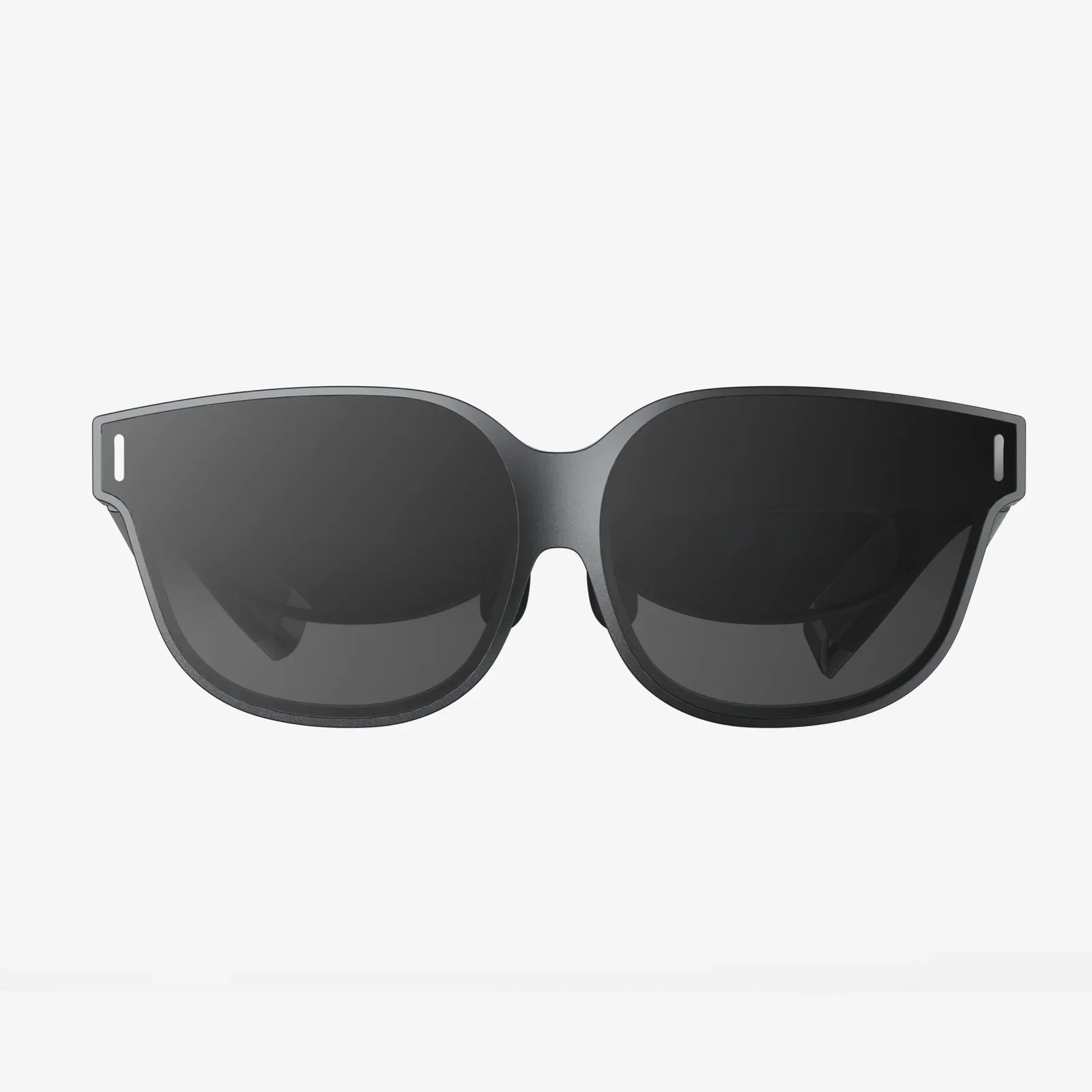
In massive distribution centers, AR smart glasses are being deployed to streamline the picking and packing process. Warehouse workers see digital arrows and information overlays guiding them through the most efficient routes directly to the items that need to be picked. The technology can highlight the exact shelf and bin, display the quantity needed, and confirm the pick is correct, slashing training time, reducing errors, and dramatically accelerating order fulfillment.
Retail staff equipped with AR devices can access a wealth of information hands-free. They can instantly check inventory levels in the back room, access detailed product manuals to answer customer questions, or even receive step-by-step guidance for complex tasks like assembling displays or troubleshooting equipment. This empowers employees, improves customer service, and creates a more agile and knowledgeable workforce.
For market analysts and store managers, AR provides powerful tools for visualizing complex data. By overlaying heatmaps of customer traffic, sales performance data, or inventory turnover rates onto the physical store layout, managers can make data-driven decisions about product placement, staffing, and store design with unprecedented clarity and context.
Despite its immense potential, the path to ubiquitous augmented reality in market is not without obstacles.
The quality of an AR experience is heavily dependent on hardware. While smartphones are ubiquitous, processing power, camera quality, and battery life can limit the sophistication of AR applications. Dedicated AR wearables, like smart glasses, offer a more seamless experience but remain cost-prohibitive for mass consumer adoption. Furthermore, developing stable, accurate, and compelling AR applications requires significant investment and technical expertise, which can be a barrier for smaller businesses.
AR applications, particularly those using wearables, collect vast amounts of visual and spatial data from users' environments. This raises serious questions about data ownership, usage, and security. Companies must navigate these privacy concerns with transparency and robust security measures to build and maintain consumer trust.
The ultimate goal for AR is to be as intuitive and frictionless as looking through a pair of glasses. Current experiences often require users to download an app, hold up their phone, and calibrate the technology, which introduces steps that can deter less tech-savvy users. Reducing this friction is critical for mainstream acceptance.
The trajectory of augmented reality in market points toward a future where the digital and physical are inextricably and seamlessly linked.
The future of consumer AR likely lies not in dedicated apps but in WebAR—experiences that run directly in a mobile web browser. This eliminates the download barrier, allowing users to access AR try-ons or visualizations instantly from a product page or a social media ad, drastically increasing accessibility and impulse engagement.
Next-generation AR will move beyond simple object placement to true spatial understanding. Your device will not only place a virtual sofa in your room but will understand the room's context—knowing to place it behind your coffee table, recognizing the lighting conditions to render shadows accurately, and even suggesting complementary items based on your existing decor style.
Imagine an AR experience that recognizes you as you walk into a store, knows your size, preferences, and past purchases, and projects personalized recommendations onto the products as you browse. Furthermore, social shopping will be transformed as friends in different locations can share a virtual fitting room, seeing how outfits look together and providing feedback in real-time, making remote shopping a collaborative event.
The magic of augmented reality is no longer confined to superhero movies or high-tech labs; it is actively weaving itself into the fabric of our daily commerce. It is the invisible hand guiding a warehouse worker, the confident assurance helping a homeowner choose a new rug, and the engaging story that turns a product into an experience. As the technology becomes more seamless, powerful, and integrated, the market that fails to adapt to this augmented world risks becoming invisible itself. The store of the future isn't just online or down the street—it's everywhere you look.
Share:
AR VR Illustration: The New Frontier of Digital Art and Immersive Storytelling
Define Augmented Reality (AR): Bridging Our Digital and Physical Worlds