


Imagine holding a complex piece of machinery in your hands, a tangle of components and wires that would normally send you scrambling for a dense, confusing paper manual. Instead of frustration, you feel a wave of calm confidence. You simply point your device at the object, and digital arrows, labels, and 3D animations spring to life, overlaying precise instructions directly onto the physical world in front of you. This is no longer a scene from science fiction; it is the powerful, present-day reality of the augmented reality instruction manual, a technological leap that is fundamentally changing our relationship with complexity, knowledge, and the very act of doing.
The Inevitable Shift: From Paper to Pixels to Presence
For centuries, the instruction manual has been a necessary, though often maligned, companion to any product requiring assembly, operation, or maintenance. Its evolution has been a slow march from dense, text-heavy booklets to slightly more user-friendly pamphlets with exploded-view diagrams. The digital age brought PDFs and online videos, a step forward in accessibility but still a separate entity from the task at hand. You were forced to split your attention between a screen and the physical object, a process prone to error, misinterpretation, and constant context switching.
This paradigm created a fundamental disconnect. The information lived elsewhere, and the user bore the entire cognitive load of translating two-dimensional symbols and text into three-dimensional action. Augmented reality (AR) shatters this disconnect. By merging the digital and physical realms, AR places information directly into the user's context, precisely when and where it is needed. The manual is no longer a separate reference; it becomes an interactive layer of the reality you are engaging with, transforming a solitary, often frustrating task into a guided, intuitive experience.
How It Works: The Magic Behind the Overlay
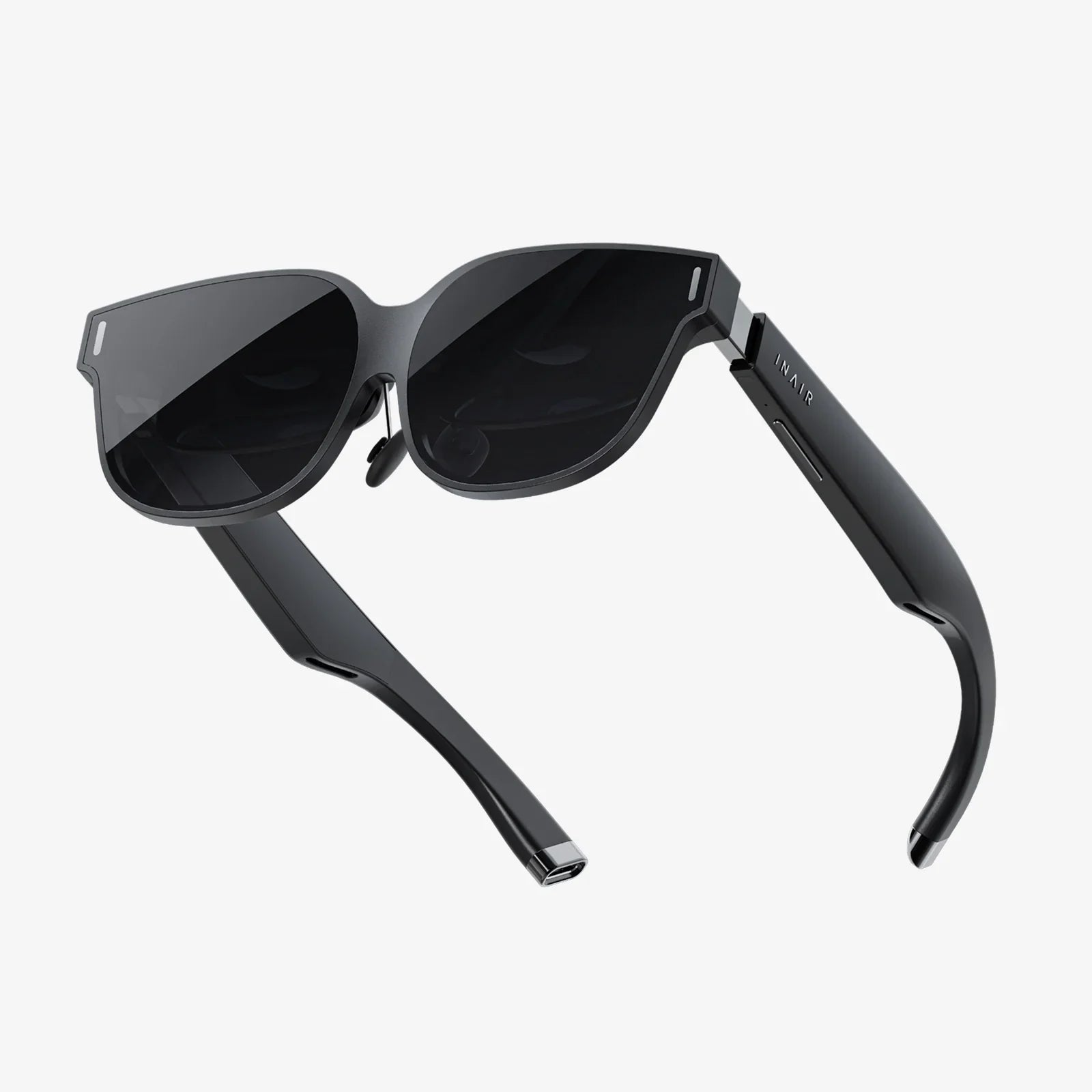
The seamless experience of an AR manual is powered by a sophisticated technological symphony. It begins with a device—most commonly a smartphone or tablet, but increasingly smart glasses or other wearable headsets. This device's camera acts as its eyes, continuously capturing the user's environment.
Computer Vision: The Brain That Sees
At the core of the system is computer vision software. This is the intelligence that interprets the camera feed. It can work in several ways:
- Marker-based Tracking: The software identifies a specific visual marker (like a QR code or a distinct symbol) placed on the product or in the workspace. This marker acts as an anchor, telling the AR system exactly where to place the digital content.
- Markerless Tracking (or Image Recognition): A more advanced method where the software recognizes the product itself using pre-loaded 3D models or image databases. It can identify specific parts, surfaces, and components without needing an artificial marker.
- Simultaneous Localization and Mapping (SLAM): This is the pinnacle of contextual understanding. SLAM technology allows the device to understand its position relative to the environment and map the environment in real-time. It can place digital objects on a tabletop or floor and have them stay locked in place as the user moves around, enabling truly immersive, room-scale instructions.
Rendering the Guidance
Once the system understands what it is looking at and where it is in space, it renders the appropriate digital content. This can include:
- 3D Animations: A virtual model demonstrating how two parts fit together with a sliding or twisting motion.
- Directional Arrows and Highlights: Pulsing arrows pointing to the exact bolt that needs tightening or a highlight glow identifying a specific port.
- Text and Label Overlays: Floating text boxes naming components or listing torque specifications.
- Video Windows: A small video player showing a close-up of a delicate procedure, superimposed right next to the actual component.
This rich, contextual information is then displayed on the device's screen, creating the magical illusion that the digital world is part of the physical one.
The Tangible Benefits: Why This is a Revolution
The advantages of AR manuals over traditional methods are profound and span across efficiency, accuracy, and accessibility.
Dramatically Reduced Errors and Rework
Misreading a step in a paper manual can lead to costly mistakes, damaged equipment, or hours of tedious rework. AR guidance is unambiguous. By showing the exact action in the exact location, it virtually eliminates misinterpretation. Studies in industrial settings have shown that AR-guided tasks can see error rates drop to near zero, a critical improvement for complex, high-stakes assembly and maintenance.
Accelerated Learning and Execution
Humans are visual, spatial learners. We understand how things work far more quickly by seeing them in action than by reading about them. AR manuals tap into this innate ability. Tasks that once required extensive training or careful study of documents can now be performed correctly by novices on their first attempt. This drastically reduces task completion times and slashes the learning curve for new equipment or procedures.
Enhanced Accessibility and Inclusivity
Traditional manuals present significant barriers. Language differences, low literacy levels, or learning disabilities can make them impenetrable. AR manuals transcend these barriers. Visual, animated guidance is inherently universal. Furthermore, audio narration can be integrated to talk a user through each step, making the technology accessible to those with visual impairments as well. This democratizes knowledge and empowers a much wider range of individuals to perform complex tasks.
Remote Expert Collaboration
What happens when a problem stumps the AR system itself? Instead of a service call that could take days, AR enables real-time remote assistance. A novice technician can share their live AR view with an expert located anywhere in the world. The expert can then draw arrows, highlight components, and annotate the technician's real-world view to guide them to a solution. This "see what I see" support saves immense time and travel costs.
Transforming Industries: From the Factory Floor to Your Living Room
The application of AR instruction manuals is not confined to a single sector; it is a disruptive force across the global economy.
Industrial Manufacturing and Maintenance
This is where AR manuals deliver perhaps the highest return on investment. On a sprawling factory floor, technicians maintaining a massive industrial robot can use AR glasses to see torque values, wiring diagrams, and animated repair sequences overlaid on the machinery. This ensures precision, improves safety by highlighting hazardous components, and gets equipment back online faster. Assembly line workers can be guided through complex wiring harnesses or component placement with zero prior experience.
Healthcare and Medical Training
Surgeons are using AR to visualize complex procedures before making an incision. Medical students can practice surgeries on virtual overlays, and nurses can be guided through the intricate setup of life-support systems, ensuring every valve and connection is correct. This technology is raising the bar for medical training and patient safety.
Field Service and Repairs
Whether it's a technician repairing a wind turbine at the top of a tower or fixing a complex network server in a data center, carrying binders of manuals is impractical. With a tablet or glasses, they have hands-free access to all the information they need, contextually displayed on the equipment in front of them, enabling faster, safer, and more effective repairs in the field.
Consumer Products and DIY
The dreaded "some assembly required" label on furniture may soon lose its sting. Imagine building a complex flat-pack item where your phone shows you each piece, where it goes, and the exact sequence of assembly. The same applies to setting up home entertainment systems, installing smart home devices, or even following a complex recipe in your kitchen, with measurements and timers overlaid on your mixing bowls.
Challenges and the Road Ahead
Despite its promise, the widespread adoption of AR manuals faces hurdles. The initial cost of development and creating detailed 3D asset libraries can be high. There are also hardware limitations; battery life, processing power, and the field of view on consumer-grade AR glasses are still evolving. Furthermore, designing intuitive user interfaces for AR is a new discipline that requires careful thought to avoid digital clutter and information overload.
However, the trajectory is clear. As hardware becomes more powerful and affordable, and as development tools become more sophisticated, these barriers will crumble. The future points toward lightweight, ubiquitous AR glasses that will make accessing interactive guidance as natural as putting on a pair of safety goggles. We will move beyond static instructions to dynamic systems powered by artificial intelligence that can adapt to user skill level, predict potential mistakes, and offer personalized guidance.
The humble instruction manual, a tool of immense importance and endless frustration, is finally being reborn. It is shedding its static, distant nature and becoming a dynamic, intelligent, and intimately connected partner in the process of creation, maintenance, and understanding. It is evolving from a book you read into an experience you inhabit. This is not just an upgrade; it is a fundamental reimagining of the transfer of knowledge from the page to the world, empowering us all to build, fix, and create with a confidence we never thought possible.
Share:
Adjustable Smart Sunglasses: The Dawn of Personalized Eyewear Technology
Augmented Reality AR Devices Market: A New Reality Dawns