


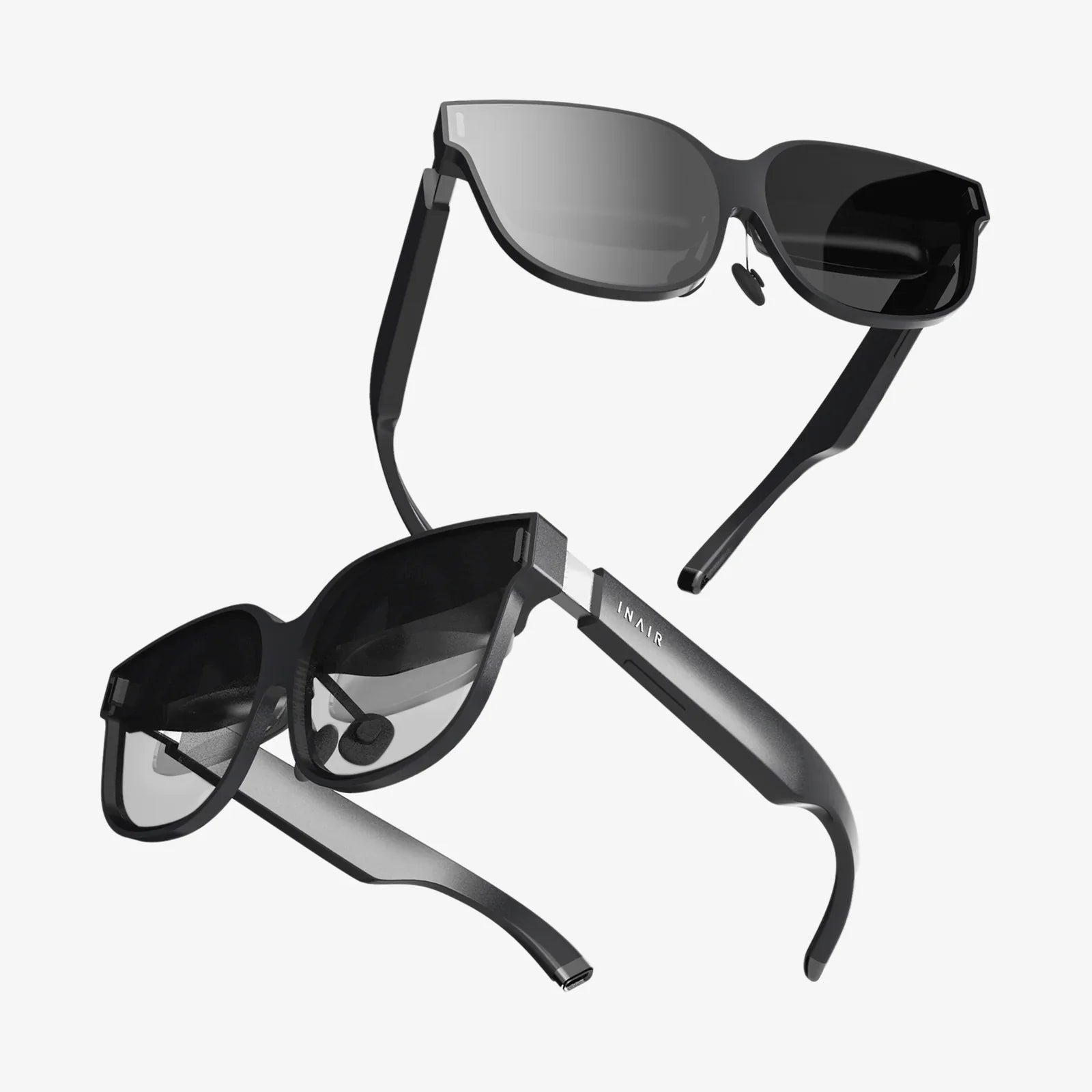
Imagine standing in your living room as a holographic news anchor details a breaking story, then with a simple gesture, you zoom across the globe to witness the event unfolding as a full-scale, three-dimensional scene around you. This is no longer the stuff of science fiction; it is the rapidly dawning reality of how we will consume information. The convergence of augmented reality (AR) with live events and news broadcasting is not merely an incremental upgrade to television or smartphone alerts. It is a paradigm shift, a fundamental reimagining of the relationship between the story, the storyteller, and the audience. This technological fusion is poised to dismantle the traditional, passive viewership model, replacing it with a dynamic, interactive, and profoundly immersive experience that places the individual at the very center of the narrative.
The Foundation: Understanding the Technology
Before delving into its revolutionary applications, it is crucial to understand what we mean by augmented reality in this context. Unlike virtual reality (VR), which creates a completely digital environment that replaces the real world, AR overlays digital information—graphics, sound, video, and haptic feedback—onto the user's physical surroundings. This is typically achieved through wearable devices like smart glasses or, more accessibly at present, through the cameras on smartphones and tablets.
The magic of AR for live events and news lies in its ability to contextualize information spatially and temporally. It can annotate the real world in real-time, turning a simple view of a street into an information-rich dashboard. For a live event, this means stats floating above an athlete during a game. For news, it could mean data visualizations of economic trends materializing on your kitchen table or historical timelines layered over a monument being discussed in a report. This seamless blending of the digital and the physical is the core engine driving this transformation.
Transforming the Spectator: Live Events Reborn
The application of AR in live events—from sports and concerts to conferences and political rallies—is creating a new category of experience: the hyper-enhanced spectator.
The Stadium in Your Home, and the Home in Your Stadium
For remote viewers, AR can dissolve the barrier of the screen. Instead of watching a football match on a flat panel, fans could use AR glasses to project the game as a life-sized hologram in their living room, choosing their preferred vantage point as if they were in the stadium. Crucially, this experience can be layered with interactive data. Player statistics, real-time performance metrics, and tactical formations can be toggled on and off, providing a depth of analysis previously available only to professional commentators. During a concert, a user could have setlists, artist biographies, and even real-time translated lyrics appear in their field of view, enriching their connection to the performance.
Enhancing the On-Site Experience
For the attendee physically at the event, AR becomes a powerful tool for navigation and engagement. Pointing a device at the stadium can reveal the shortest route to your seat, the location of restrooms with the shortest lines, or concession stands offering your favorite food. During a large music festival, AR wayfinding can prevent the all-too-common feeling of being lost in a sea of people. Furthermore, it can unlock exclusive content: pointing your phone at the stage might reveal custom visual effects or behind-the-scenes footage unavailable to the standard broadcast audience, creating a tiered and deeply personalized event experience.
The Fourth Estate Evolves: A New Era for Journalism
While live events are being enhanced, journalism is being utterly reinvented. The core mission of news—to inform the public—remains, but the methodology is undergoing its most significant change since the advent of the internet.
Beyond the Talking Head: Immersive Storytelling
The traditional news broadcast, with an anchor speaking to a camera, is a one-size-fits-all model. AR shatters this format. Imagine a correspondent standing in a war-torn city. With AR, instead of a flat backdrop, viewers can see interactive maps showing the advance of forces, 3D models of destroyed infrastructure rebuilt before their eyes to show what was lost, and data streams highlighting humanitarian needs. The story transforms from a report into an explorable simulation. Environmental journalism can transport viewers to melting glaciers or burning rainforests, making the scale of the crisis viscerally tangible in a way a two-minute video segment never could.
Data Democratization and Contextual Understanding
Complex stories involving intricate data—election results, pandemic spread, climate change models—often lose audiences in spreadsheets and confusing charts. AR can bring this data to life. A user can walk around a full-scale, interactive 3D graph showing global temperature rise over centuries. They can manipulate a holographic model of a new legislative bill, seeing how different clauses interconnect. This spatial representation of information caters to different learning styles and makes complex subjects more intuitive and understandable, truly democratizing access to knowledge.
On-the-Ground Reporting and Citizen Journalism
For field reporters, AR glasses can act as a hands-free teleprompter, display incoming facts and questions from editors, and even provide real-time translation during interviews. This allows for smoother, more informed, and more engaging reporting from the heart of the action. Furthermore, it empowers citizen journalists. Witnesses to a breaking news event can use AR applications on their phones to annotate their surroundings—tagging, highlighting, and adding context to video streams they are capturing, providing invaluable firsthand perspective to news organizations and the public.
Overcoming the Hurdles: Challenges and Considerations
This exciting future is not without its significant challenges. Widespread adoption hinges on the development of comfortable, socially acceptable, and powerful AR wearables that are as ubiquitous as smartphones are today. The current reliance on handheld devices is a barrier to true immersion.
Furthermore, the ethical and editorial challenges are profound. The very power of AR to make information feel real and immersive creates a heightened risk for misuse. Misinformation and Deepfakes: Malicious actors could create incredibly convincing AR experiences that distort reality, making it difficult for users to distinguish fact from fabricated fiction. Editorial Bias: The choice of what to augment—which stats to show, which data to visualize—inherently involves editorial judgment. News organizations will need to develop strict guidelines for AR content to avoid misleading audiences through selective augmentation. Sensory Overload and Desensitization: There is a risk of overwhelming users with too much information, creating cognitive fatigue. Conversely, constant exposure to immersive depictions of traumatic news events could have psychological effects that are not yet understood.
Finally, the digital divide is a critical concern. If AR news becomes the primary or most informative way to consume media, those who cannot afford the technology risk being left further behind, creating an information underclass.
The Future is Augmented
Despite these challenges, the trajectory is clear. The next decade will see AR become an integral part of our media landscape. We will move towards a world where watching a live sports event without personalized stats floating in our field of view will feel archaic. Reading a text-based article about archaeological discoveries will be supplemented, if not replaced, by the ability to examine the artifact itself, in full scale, from our own home.
News organizations will evolve into experience designers, crafting narratives that are not just told but are lived and explored. The audience will shift from passive consumers to active participants, curating their own informational overlays on the world. This technology promises to create a deeper, more empathetic, and more informed global citizenry by allowing us to not just hear about the world's events, but to stand within them, understand their context, and feel their impact on a human scale.
The screen that has long served as a window to the world is beginning to vanish. In its place, the world itself is becoming the display, annotated, explained, and brought to life through a digital layer of intelligence. The way you learned about a presidential debate, a championship game, or a scientific breakthrough five years from now will be unrecognizable compared to today. The boundaries between the event and the news report, between the audience and the action, are dissolving, and we are all stepping through into a new, augmented reality.
Share:
Augmented Reality Glasses Market Size: A Deep Dive into the Numbers Shaping Our Digital Future
VR Price in USA: A Complete Guide to Navigating the Cost of Virtual Reality