


- by wangfred
Augmented Reality Market Data: A Deep Dive into the Numbers Shaping Our Future
- by wangfred
Imagine a world where digital information doesn't just live on a screen but is seamlessly woven into the fabric of your physical reality. This is no longer the stuff of science fiction; it's the burgeoning promise of augmented reality (AR), and the market data tells a story of a technological revolution already in motion. The numbers are staggering, painting a picture of an industry on the cusp of mainstream adoption, poised to redefine everything from how we shop and work to how we learn and connect. The trajectory of this market is not just a line on a graph; it's a blueprint for a future where our digital and physical selves finally converge.
The global augmented reality market has been experiencing a period of unprecedented expansion. Recent market analyses consistently project a compound annual growth rate (CAGR) well into the double digits, a clear indicator of robust and sustained interest from both consumers and enterprises. From a valuation in the tens of billions just a few years ago, the market is on a swift path to surpass the hundred-billion-dollar mark within this decade. This explosive growth is not a singular event but the result of a powerful confluence of technological advancement, increased investment, and a broader cultural acceptance of immersive technologies.
Several key factors are acting as powerful accelerants for the AR market, and the data underscores the significance of each.
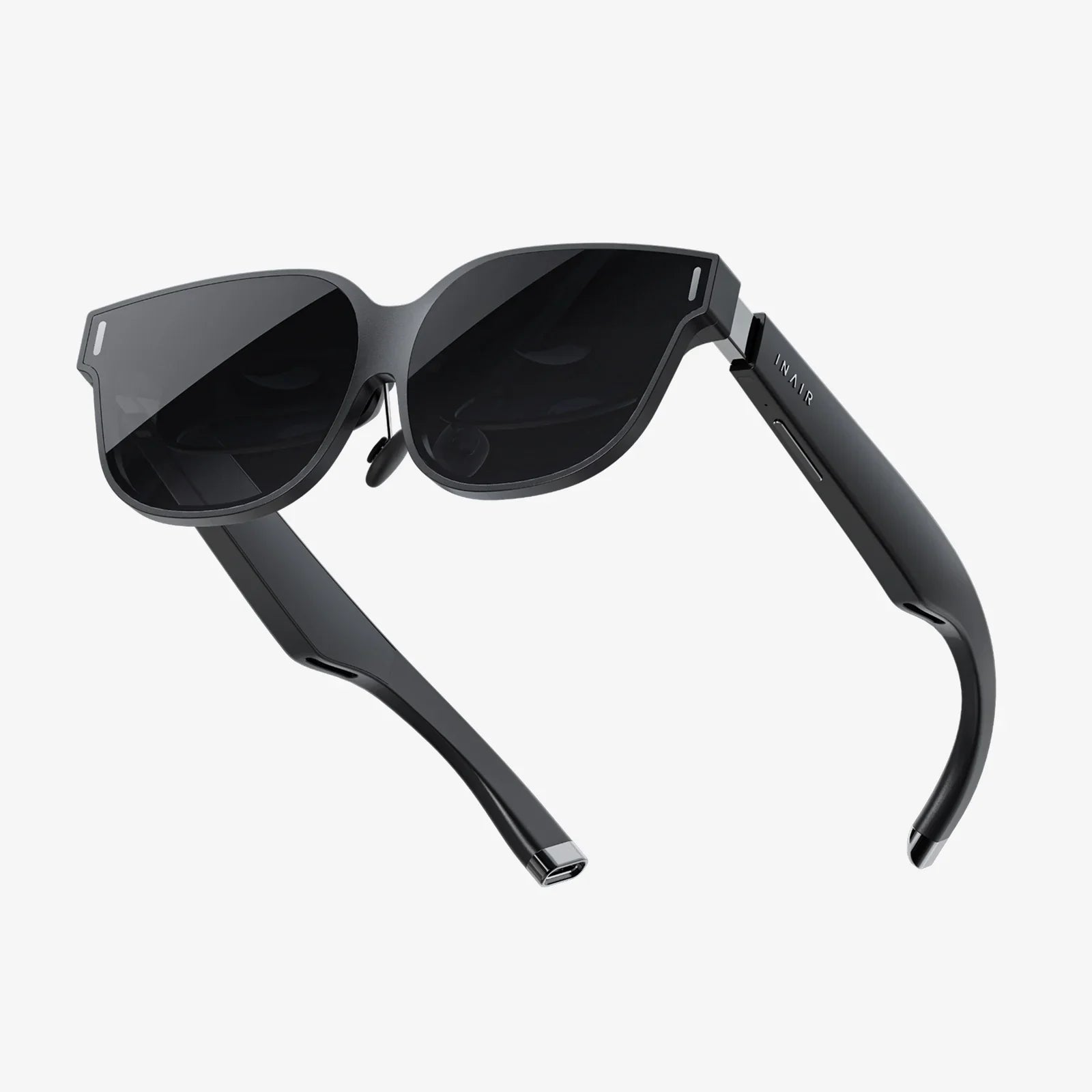
The proliferation of powerful, AR-capable smartphones was the initial catalyst, putting the technology directly into the pockets of billions. However, the market data now shows a significant and growing segment dedicated to dedicated AR hardware. This includes everything from sleek smart glasses designed for enterprise use to more advanced headsets that offer a wider field of view and more immersive experiences. The decreasing cost of components like micro-displays, sensors, and processors is making these devices more affordable and accessible, a trend clearly reflected in shipment and revenue forecasts.
While consumer applications often grab headlines, the real engine of the current AR market is enterprise adoption. Companies across manufacturing, logistics, healthcare, and field services are leveraging AR to solve real-world problems, and the return on investment (ROI) is driving continued spending. Market data reveals that the enterprise segment accounts for a dominant share of current AR revenue. Businesses are using AR for complex assembly guidance, remote expert assistance, digital overlays for equipment maintenance, and immersive training simulations, all of which lead to reduced errors, faster task completion, and significant cost savings.
A technology is only as good as its applications. The growth of robust software development kits (SDKs) and creator platforms has dramatically lowered the barrier to entry for developers. This has led to an explosion in the quantity and quality of AR content and applications, which in turn drives hardware adoption. Market data tracking app downloads, developer activity, and investments in AR software platforms shows a vibrant and rapidly innovating ecosystem that is essential for long-term market health.
The rollout of high-speed, low-latency 5G networks is a critical enabler for more sophisticated AR experiences. Cloud-based rendering, which offloads intensive processing from the device to the cloud, requires a seamless and instantaneous data connection. 5G makes this feasible, paving the way for thinner, lighter AR glasses and more complex, persistent AR worlds. Market analyses often correlate regional 5G deployment schedules with forecasts for AR growth in those same regions.
Breaking down the augmented reality market data by component and application provides a clearer picture of where the opportunities and investments are concentrated.
AR is revolutionizing medical training, surgical planning by overlaying CT scans onto a patient's body, and aiding in complex vein visualization.
Augmented reality market data reveals a truly global market, but with distinct regional leaders. North America, with its strong technological infrastructure, high concentration of tech giants, and early enterprise adoption, has historically held the largest market share. However, the Asia-Pacific region is projected to exhibit the highest CAGR during the forecast period. This is driven by massive investments in industrial AR in China, South Korea, and Japan, a vast consumer market, and a strong manufacturing base for AR hardware components. Europe also represents a significant and growing market, particularly in industrial and automotive applications.
Despite the optimistic forecasts, the AR market faces hurdles that are reflected in more nuanced data analyses. Consumer smart glasses have yet to achieve a form factor and battery life that appeals to the mass market. Concerns over data privacy, user safety in public spaces, and the potential for digital addiction present societal challenges. Furthermore, the lack of universal standards and interoperability between different AR platforms can create friction and slow down widespread deployment. Market reports that delve into “restraints” highlight these issues, noting that overcoming them is crucial for the market to reach its full potential.
Looking ahead, the augmented reality market data points towards several key trends. The line between AR and Virtual Reality (VR) will continue to blur with the advancement of Mixed Reality (MR) devices. The concept of the “spatial web” or a persistent, digital layer over the real world will gain traction, fueled by advancements in AI and computer vision. Enterprise use will deepen, moving from point solutions to being integrated into core business platforms. For consumers, the eventual arrival of stylish, all-day wearable AR glasses will be the inflection point that moves the technology from a smartphone feature to an indispensable personal computing platform.
The numbers don't lie, but they only tell part of the story. The true significance of the augmented reality market data is that it quantifies a fundamental shift in human-computer interaction. It's a testament to the fact that a technology which once captivated our imagination is now capturing market share, transforming industries, and quietly building the framework for a more connected, efficient, and astonishingly immersive future. The next time you use a filter on your phone or get directions overlaid on the street, remember, you're not just using an app; you're participating in a multi-billion-dollar revolution that is literally changing our view of the world.
Share:
Best AI Powered Glasses: The Ultimate Guide to Seeing the World Through Algorithms
Augmented Reality Not Working? The Ultimate Troubleshooting and Future-Proofing Guide