


Imagine pointing your phone at a seemingly ordinary poster and watching it spring to life, a dragon soaring from the page or a new car materializing in your driveway. This is no longer the stuff of science fiction; it's the powerful, present-day reality of augmented reality marketing, a force that is fundamentally reshaping the conversation between brands and consumers. By seamlessly blending digital elements with our physical world, AR creates experiences that are not just advertisements but memorable events, forging deeper emotional connections and driving unprecedented engagement.
The Foundation: What Makes AR Marketing So Compelling?
Before diving into specific augmented reality marketing examples, it's crucial to understand the core principles that make this technology so transformative. Unlike virtual reality, which requires a headset and transports users to a completely digital environment, AR enhances the real world by overlaying digital information onto it through the screen of a smartphone, tablet, or AR glasses. This accessibility is key—it turns every consumer's device into a potential portal for brand interaction.
The power of AR marketing lies in its ability to deliver on three key fronts:
- Experiential Engagement: AR transforms passive observation into active participation. Instead of just watching a video, users interact with a product, play a game, or explore a narrative, creating a sense of agency and ownership.
- Enhanced Visualization: It solves a fundamental e-commerce problem: the inability to try before you buy. Consumers can see how a piece of furniture fits in their living room, how a shade of lipstick looks on their skin, or how a new car's design holds up on their street.
- Memorable Storytelling: By creating a "wow" moment, AR campaigns generate a powerful emotional response. This surprise and delight factor makes the brand experience shareable and memorable, cutting through the noise of traditional digital advertising.
Virtual Try-Ons and Product Previews: The E-Commerce Revolution
One of the most practical and widely adopted augmented reality marketing examples is the virtual try-on. This application has become a game-changer for industries where fit, scale, and aesthetics are paramount to the purchasing decision.
The beauty industry has been a pioneer in this space. Imagine an app that uses your phone's front-facing camera to accurately map your face and allow you to test dozens of lipstick shades, eyeshadow palettes, or even false lashes in real-time. This eliminates the guesswork of online shopping and reduces the hygiene concerns associated with in-store testers. The result is a dramatic increase in consumer confidence and a significant reduction in return rates.
Similarly, the home furnishings sector has leveraged AR for spatial visualization. Customers can now place true-to-scale 3D models of sofas, coffee tables, and lamps directly into their own living spaces. They can walk around the virtual product, see how it looks from different angles, and ensure it fits perfectly with their existing decor. This functionality has effectively bridged the gap between the inspiration found online and the practicalities of physical space, empowering customers to make more informed and satisfying purchases.
Even the automotive industry has embraced this trend. Prospective buyers can use an AR experience to project a life-sized model of a new vehicle into their driveway. They can change the color, open the doors, and even peek inside at the interior, all from the comfort of their home. This level of immersive inspection was previously impossible outside of a dealership showroom.
Interactive Packaging and Print Media: Bringing Static Objects to Life
Another fascinating category of augmented reality marketing examples involves activating traditionally static mediums like product packaging, posters, and magazine ads. By scanning a logo, QR code, or the entire package with a dedicated app, users can unlock a hidden digital layer of content.
A breakfast cereal company, for instance, might transform its box into an interactive gaming console. By scanning the front, a child (or adult) can play a simple, fun AR game right on their kitchen table, with characters bouncing off the real-world box. This not only extends engagement time with the brand but also creates a positive association that goes beyond the product itself.
In print media, a fashion magazine ad can become a dynamic runway show. Scanning the page could cause the model to step out and showcase the clothing from all angles, provide links to purchase the items directly, or offer styling tips in a short video. This revitalizes print media, giving it a digital heartbeat and providing advertisers with valuable data on user engagement that a static ad could never offer.
This approach is also used for educational content. A brand selling a complex product, like a high-tech appliance, can use AR packaging to provide an interactive tutorial. Pointing the phone at the product could highlight different components and explain their functions, effectively delivering a personalized sales demonstration.
Gamified Experiences and Location-Based Activations
Some of the most viral augmented reality marketing examples are those that incorporate gamification. By creating fun, challenging, and rewarding AR games, brands can generate massive awareness and foster deep community engagement.
The most famous example, which needs no naming, involved a global hunt for virtual creatures superimposed onto the real world via smartphone. While this was a standalone app, it perfectly demonstrated the potential. Brands have since created their own versions, encouraging users to visit specific locations—like retail stores, landmarks, or event venues—to find and collect virtual items, unlock discounts, or compete for prizes.
A soft drink company might create a city-wide AR treasure hunt. Users are directed to various parks and public spaces where they can "collect" virtual bottle caps or ingredients using their phone. Once they collect a full set, they can redeem them for a real-world reward. This strategy drives foot traffic, promotes exploration, and creates a buzz on social media as participants share their progress.
At large-scale events like music festivals or sports games, AR activations can enhance the live experience. Pointing a phone at the stadium field could display player stats and animations during a timeout. At a concert, it could reveal floating, virtual artwork tied to the performing artist. These experiences add a layer of exclusive digital content that enriches the real-world event and strengthens brand association with premium entertainment.
Immersive Storytelling and Brand Narratives
Beyond games and utilities, AR is a powerful tool for narrative-driven marketing. It allows brands to tell their stories in a deeply immersive and personal way, transporting users into the world they have created.
A film studio promoting a new fantasy movie developed an AR experience that allowed users to unleash a magical creature in their own backyard. Through their phone screen, they could see the creature interact with their environment—peeking behind trees, reacting to sounds, and playing. This wasn't just a trailer; it was a personal encounter with the film's universe, generating excitement and emotional investment far beyond a standard commercial.
Non-profit organizations have also used this technology for powerful awareness campaigns. One impactful example involved an AR experience that allowed users to see virtual, life-sized refugees situated in their own comfortable surroundings—a park, a shopping street, a home. This shocking juxtaposition of a humanitarian crisis within a familiar setting created a profound sense of empathy and urgency, driving donations and support by making a distant issue feel immediately personal.
Measuring Success: The Tangible Benefits of AR Campaigns
The "wow" factor is important, but for marketing to be sustainable, it must deliver measurable ROI. The data derived from augmented reality marketing examples provides compelling evidence of its effectiveness.
- Dwell Time: Users spend significantly more time interacting with an AR experience than they do with a video or static image. This extended engagement dramatically increases brand recall and affinity.
- Conversion Rates: Virtual try-ons and product visualizations directly combat purchase hesitation. Brands report conversion rate increases of up to 200% for users who engage with their AR experiences compared to those who do not.
- Social Sharing: A unique and fun AR experience is inherently shareable. Users are likely to record their interactions and post them on social media, generating valuable organic reach and peer-to-peer endorsement.
- Data and Insights: Brands can gather rich data on how users interact with their virtual products—which colors they try on most, which angles they view a product from, how long they spend with the experience. This data is invaluable for informing inventory, marketing strategy, and product development.
The Future is Overlaid: Where AR Marketing is Headed
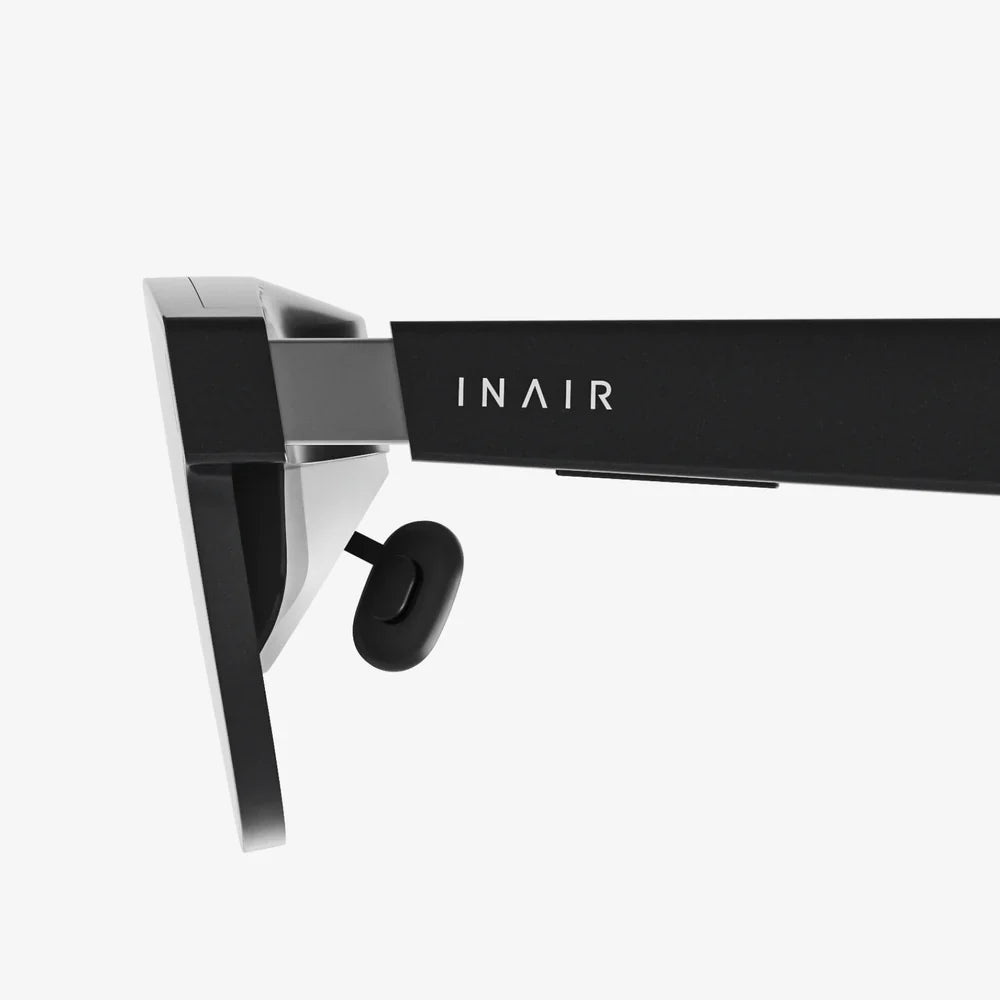
As technology advances, AR marketing will become even more sophisticated and integrated into our daily lives. The future points toward wearable AR glasses, which will make these experiences hands-free and ever-present. Imagine walking down a street and seeing virtual storefronts highlighting daily deals, or historical figures narrating the history of a building you're looking at.
WebAR is another critical evolution, allowing users to access AR experiences directly through a web browser without needing to download a dedicated app. This drastically lowers the barrier to entry, enabling brands to deploy campaigns instantly to a massive audience with a simple link.
The integration of AI will further personalize these experiences. An AR system could recognize a user and tailor the content specifically to their past preferences, creating a truly one-on-one marketing interaction that feels less like an ad and more like a concierge service.
The examples are clear: augmented reality is no longer a futuristic gimmick but a core component of a modern marketing strategy. It empowers consumers, provides tangible value, and creates those elusive, shareable moments that build lasting brand loyalty. The brands that will thrive are those that stop asking for consumers' attention and start offering them an entirely new world to explore.
Your customers are already holding the key to a deeper brand connection in their pockets. The only question left is what incredible world you will create for them when they decide to use it. The potential to transform a simple interaction into a legendary experience is now literally at your fingertips, waiting to be unlocked.
Share:
AR VR in Media and Entertainment: The Ultimate Immersive Revolution
Companies Developing Augmented Reality Are Reshaping Our World