


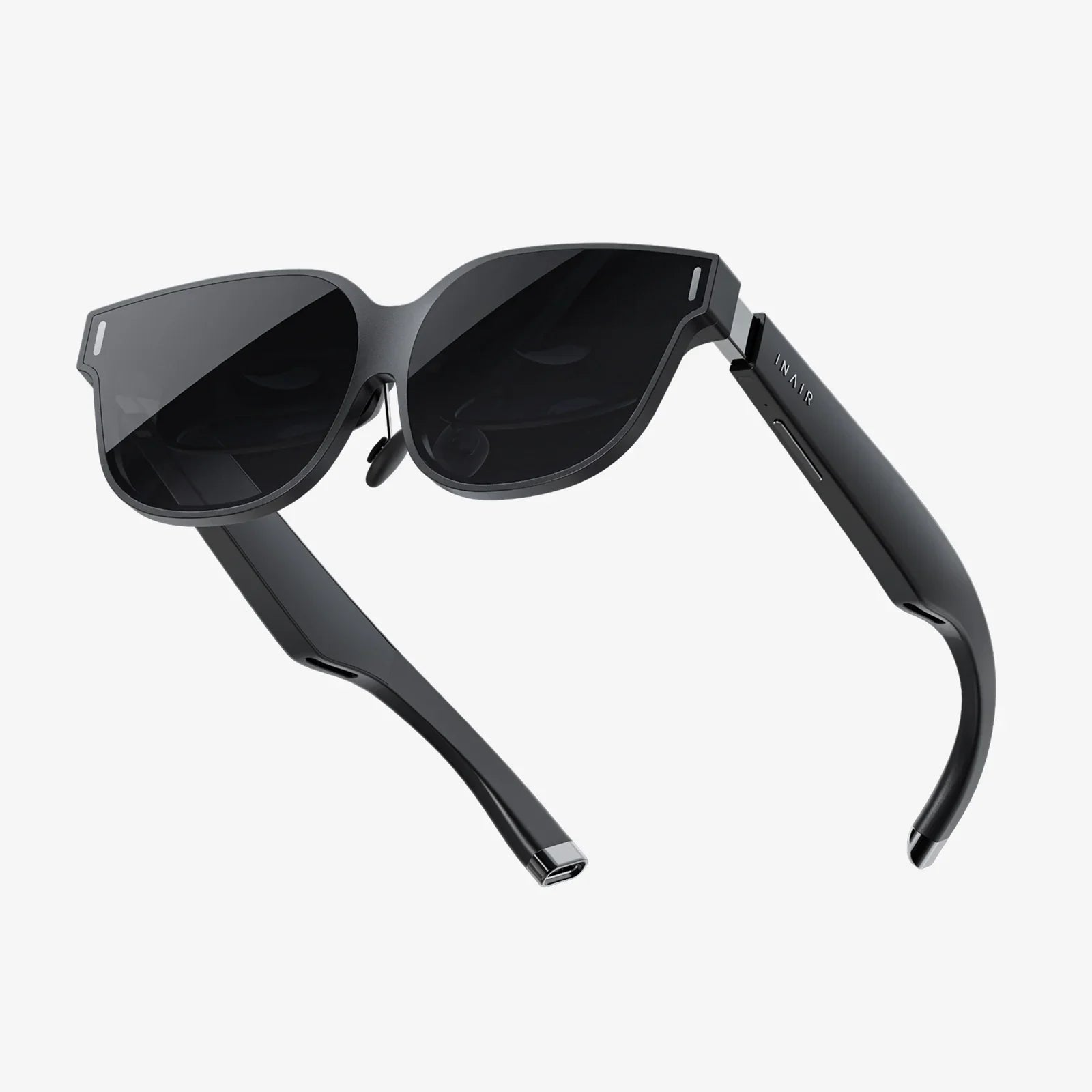
Imagine a factory floor where complex assembly instructions float in mid-air, guiding a technician's every move; where a maintenance engineer can see the inner workings of a malfunctioning machine simply by looking at it; and where a designer in another country can project a full-scale, holographic prototype into an empty space for review. This is not a scene from a distant science fiction film—it is the reality taking shape today within the augmented reality production environment, a technological paradigm shift poised to redefine the very essence of manufacturing, maintenance, and logistics.
The Genesis of a New Industrial Layer
The concept of augmenting our reality is not new, but its maturation and integration into the high-stakes world of production mark a critical turning point. An augmented reality production environment is fundamentally built upon the convergence of several powerful technologies: advanced computer vision, spatial mapping, wearable computing, and the Internet of Things (IoT). This synergy creates a dynamic digital layer that is precisely mapped onto the physical workspace. Unlike virtual reality, which replaces the real world, AR enhances it, superimposing critical information, instructions, and data visualizations directly into the user's field of view. This seamless integration means that workers no longer need to shift their attention between a physical task and a distant computer screen, paper manual, or handheld device. The information they need is contextually presented, right where the work happens.
Revolutionizing Assembly and Complex Manufacturing
One of the most impactful applications of AR is in complex assembly processes. In industries such as aerospace, automotive, and heavy machinery, where products involve thousands of unique parts and intricate procedures, the margin for error is slim and the cost of mistakes is enormous.
In an augmented reality production environment, workers equipped with smart glasses or tablet devices can access a digital work instruction system. Instead of interpreting 2D drawings or scrolling through PDF manuals, they see numbered indicators, 3D arrows, and text annotations visually projected onto the actual components in front of them. A digital highlight might precisely indicate where a specific bolt should be placed, followed by an animation showing the correct torqueing sequence. This guided process drastically reduces cognitive load, minimizes errors, and accelerates training times for new employees. Furthermore, the system can verify each step, ensuring compliance with standard operating procedures and automatically logging completion data, thereby enhancing quality control and traceability.
Supercharging Maintenance, Repair, and Overhaul (MRO)
The benefits extend powerfully into maintenance and repair. Technicians often face the daunting task of diagnosing and fixing sophisticated equipment with which they may have limited familiarity. An AR system can transform this experience. By pointing a device's camera at a machine, the technician can activate an AR overlay that identifies key components, displays real-time sensor data (like temperature or pressure piped directly from IoT sensors), and provides access to a digital twin of the equipment.
For a repair procedure, animated instructions can guide the technician through each step, showing exactly which panel to remove and which component to inspect. The system can even highlight potential problem areas based on common failure modes or live diagnostic feeds. This capability empowers frontline workers to perform at an expert level, reduces machine downtime, and allows seasoned experts to provide remote, AR-guided assistance to multiple sites simultaneously, seeing what the local technician sees and annotating their view in real-time.
Transforming Logistics and Warehouse Operations
The warehouse is another area experiencing a radical transformation. Picking and packing operations are critical for fulfillment speed and accuracy. AR smart glasses can display optimal pick paths directly in the warehouse worker's vision, guiding them seamlessly through the facility. As the worker arrives at a location, the glasses can indicate the exact item and quantity to be picked, often with a digital highlight on the specific bin. This visual confirmation eliminates guesswork, reduces walking time, and slashes picking errors by a significant margin. Furthermore, AR can assist in the receiving process by identifying incoming goods and overlaying information about their destination or special handling instructions, streamlining the entire logistics chain from dock to stock.
Enhancing Design, Prototyping, and Collaboration
The value of an augmented reality production environment is not confined to the shop floor; it begins in the design studio. Engineers and designers can use AR to project life-size, interactive 3D models of their creations into a physical space. This allows for unprecedented ergonomic reviews, design validation, and assembly simulation long before a single physical prototype is built. Teams spread across the globe can collaborate within the same virtual model, seeing each other's annotations and discussions in a shared AR space. This accelerates the design process, improves communication, and helps identify potential manufacturing or assembly issues at the earliest possible stage, saving considerable time and resources.
The Human Factor: Training and Safety
Perhaps the most profound change AR brings is in human capital development and safety. Training new employees on complex and potentially dangerous equipment is traditionally time-consuming and risky. AR creates a safe, interactive training ground. Trainees can practice procedures on digital overlays before ever touching the real machinery, building muscle memory and confidence without risk to themselves or expensive assets.
On the active production floor, AR enhances safety by making hazards visible. Systems can overlay warning signs around active equipment, highlight high-temperature surfaces, or ensure that lockout-tagout procedures are visually confirmed and followed step-by-step. This constant, contextual stream of safety information creates a more aware and protected workforce.
Implementation Challenges and the Path Forward
Adopting a fully integrated augmented reality production environment is not without its challenges. It requires robust and reliable wireless connectivity across the entire facility to handle the high bandwidth of AR data. The hardware—smart glasses, headsets, and tablets—must be durable, comfortable for all-day wear, and offer sufficient battery life. Perhaps the largest hurdle is digital transformation: creating the 3D models, digital work instructions, and system integrations that power the AR experience requires upfront investment and a shift in how companies manage and deploy their operational data. Concerns around data security, user privacy, and potential digital distraction also need to be carefully managed.
However, the trajectory is clear. As the technology becomes more powerful, affordable, and user-friendly, and as the workforce becomes more digitally native, these barriers will diminish. The future will see even tighter integration with AI and IoT, where AR systems will not only display information but also analyze the environment in real-time to predict issues and prescribe optimal actions.
The factory of the future is not a lights-out, fully automated facility devoid of people. It is a collaborative ecosystem where human ingenuity is amplified by digital intelligence. The augmented reality production environment is the bridge to this future, empowering the human worker with superhuman perception, context, and knowledge. It represents the ultimate fusion of the physical and digital worlds, creating a workspace that is not only more productive but also safer, more intuitive, and profoundly more intelligent. The revolution is not coming; it is already being assembled, one digital overlay at a time.
Share:
Best Virtual Glasses 2025: The Ultimate Guide to the Future of Immersive Tech
Who Makes the Best AI Glasses? The Ultimate Guide to Smart Eyewear