


Imagine a world where an expert, a master of their craft, can stand right beside you, pointing out the exact wire to connect or the precise component to replace, without ever leaving their office on the other side of the globe. This is no longer the stuff of science fiction; it is the powerful, tangible reality delivered by augmented reality remote assistance, a technology that is fundamentally reshaping the landscape of support, training, and field service operations. By overlaying digital information onto our physical view of the world, it dissolves geographical barriers, creating a seamless conduit for knowledge transfer and collaborative problem-solving that is as close to teleporting an expert as humanity has ever come.
The Core Mechanics: How Digital and Physical Worlds Converge
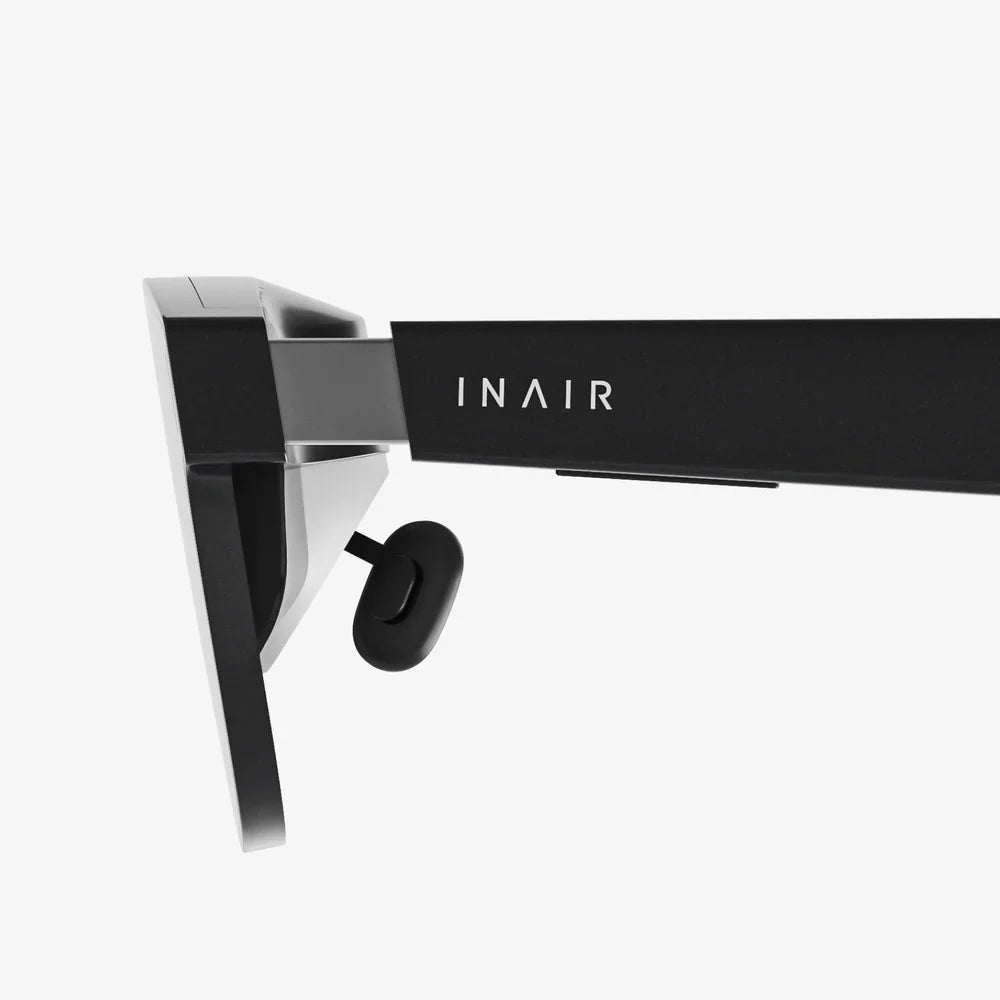
At its heart, augmented reality remote assistance is a sophisticated symphony of hardware and software working in concert. The process begins with a field technician or a frontline worker, often equipped with a hands-free device like smart glasses or simply using a smartphone or tablet. This device acts as their window, capturing a live, first-person view of their environment. This video feed is then securely transmitted in real-time to a remote expert situated anywhere with a network connection.
The magic happens on the expert's screen. Using a desktop application or another device, the remote specialist views the live stream. But they are not a passive observer. The software empowers them to interact directly with the feed. Using digital annotation tools, they can draw arrows, circles, highlights, and text directly onto the live video. These annotations are then anchored to specific objects or locations in the physical space viewed by the field worker. For the person on the ground, these digital markings appear as holographic overlays in their field of vision, precisely indicating where to look and what to do.
This creates an intuitive, visual dialogue. The expert can say, "See the red wire I've circled? Connect it to the terminal I'm pointing to now." The field worker sees these instructions manifest visually in their world, eliminating the ambiguity of verbal descriptions or static diagrams. Furthermore, the system often allows for the simultaneous sharing of crucial digital documents—such as schematics, manuals, or 3D models—which can be pinned within the worker's view for immediate reference, creating a true augmented workspace.
A Multitude of Benefits: Beyond Just Fixing Things Faster
The advantages of implementing an augmented reality remote assistance solution are profound and multi-faceted, impacting everything from operational efficiency to employee satisfaction.
Dramatic Reduction in Resolution Time and Costs
The most immediate and quantifiable benefit is the drastic reduction in the time it takes to resolve an issue. Problems that once required a highly specialized engineer to be dispatched, involving travel time, expenses, and delays, can now be addressed in minutes. This leads to significant savings on travel costs, reduced downtime for critical equipment, and a higher first-time fix rate. Organizations can do more with their existing expert workforce, amplifying their impact without increasing headcount.
Empowerment and Upskilling of Frontline Workers
This technology is a powerful tool for democratizing knowledge. Instead of a junior technician being left to struggle with a complex problem, they become an apprentice to a remote master. They learn by doing, with guided, visual instructions. This continuous, on-the-job training accelerates skill development and builds confidence, creating a more capable and self-sufficient workforce over time. It effectively captures the tacit knowledge of seasoned experts and transfers it instantly to the next generation.
Enhanced Safety and Compliance
In hazardous environments, getting it right the first time is not just about efficiency—it's about safety. Augmented reality guidance ensures procedures are followed precisely, reducing the risk of human error. Remote experts can guide workers through complex safety protocols without needing to be in a potentially dangerous location themselves. Furthermore, sessions can be recorded and archived, providing a valuable audit trail for compliance and quality assurance purposes, and serving as excellent training material for future scenarios.
Superior Customer Experience
For customers, the experience is transformed. A service call that might have taken days now takes hours or even minutes. The frustration of extended equipment downtime is replaced by the awe of watching a complex issue be resolved through futuristic technology. This builds immense trust and reinforces the perception of the service provider as a innovative and reliable partner.
Industry-Wide Transformation: Use Cases Across the Spectrum
The application of augmented reality remote assistance is not confined to a single sector; its versatility is enabling breakthroughs across a diverse range of industries.
Manufacturing and Industrial Maintenance
This is perhaps the most mature application. On a noisy factory floor, a machine goes down. A maintenance technician puts on AR glasses and connects with a central engineer. The engineer sees the machine through the technician's eyes, identifies a faulty valve, and draws a glowing arrow directly onto it. They then pull up the assembly diagram and overlay the correct installation steps. The machine is back online with minimal disruption to production.
Healthcare and Medical Training
Surgeons are using the technology for tele-mentoring, where an experienced surgeon can guide a less experienced colleague through a complex procedure from miles away, annotating the surgical field in real-time. It's also used for equipment maintenance within hospitals, ensuring that critical devices like MRI machines and ventilators are serviced correctly and rapidly by on-site staff guided by manufacturer experts.
Field Service and Repairs
From telecom engineers fixing fiber optic nodes on a telephone pole to HVAC technicians servicing complex building management systems, field service is being revolutionized. A single expert can support dozens of field operatives simultaneously, dramatically scaling expertise. They can guide a worker through the intricate repair of a circuit board or the configuration of a network router with pinpoint accuracy.
Utilities and Energy
In remote wind farms or offshore oil rigs, where sending a specialist is incredibly costly and time-consuming, augmented reality support is a game-changer. A local technician can be guided through turbine blade inspections or control panel diagnostics, ensuring these vital assets remain operational and safe.
Navigating the Challenges: Implementation Considerations
Adopting this technology is not without its hurdles. A successful implementation requires careful consideration of several key factors.
Network Connectivity and Bandwidth
The system is heavily reliant on a stable, high-bandwidth internet connection for both parties. Latency or dropouts can disrupt the seamless collaboration experience. While 5G technology is rapidly mitigating this issue by providing high-speed, low-latency mobile connectivity, it remains a critical infrastructure requirement.
Hardware Selection and User Experience
Choosing the right device is crucial. Smart glasses offer true hands-free operation but can be expensive and face concerns around user comfort and battery life. Smartphones and tablets are ubiquitous and affordable but require the user to hold the device. The chosen platform must have an intuitive user interface; if it's cumbersome or complicated, workers will resist adoption.
Data Security and Privacy
The live video feed may contain sensitive information, whether it's proprietary machinery inside a factory or a patient in a hospital room. End-to-end encryption, secure user authentication, and robust data governance policies are non-negotiable to protect privacy and intellectual property.
Cultural Adoption and Change Management
Technology is only as effective as the people using it. Workers may be hesitant or skeptical. Comprehensive training and clear communication about the benefits—how it makes their job easier and safer, rather than a tool for surveillance—are essential for fostering a culture that embraces this new way of working.
The Future is Augmented: What Lies Ahead
The evolution of augmented reality remote assistance is accelerating. We are moving towards a future where artificial intelligence will play a central role. Imagine an AI assistant that can automatically recognize components, highlight common faults based on a vast database of previous repairs, and even suggest the next steps to the remote expert. Integration with the Internet of Things (IoT) will allow the AR system to pull real-time performance data directly from the machine being serviced, overlaying temperature readings, pressure levels, or error logs directly onto the physical components. Furthermore, as the technology becomes more lightweight, affordable, and socially accepted, its adoption will skyrocket, moving from enterprise-only to small businesses and even consumer applications.
The line between the physical and digital realms is blurring irrevocably, and augmented reality remote assistance is at the forefront of this convergence. It is not merely a better video call; it is a paradigm shift in human collaboration. By enabling us to share our vision and our expertise instantaneously across any distance, it promises a future where knowledge is no longer bound by geography, where problems are solved faster and smarter, and where every worker, anywhere, has the power of an expert standing right by their side.
Share:
Performance AI Glasses: The Next Frontier in Personal Computing and Augmented Intelligence
Augmented Reality Fashion: Redefining Style in the Digital Age