


- by wangfred
Augmented Reality Steps: A Comprehensive Guide to Navigating the New Digital Layer
- by wangfred
Imagine a world where digital information doesn't confine itself to the glowing rectangles of our phones and computers but instead bleeds into our physical surroundings, enhancing everything we see, learn, and do. This is the captivating promise of augmented reality, a technology poised to fundamentally reshape our interaction with the digital and physical worlds. The journey into this blended existence isn't a single leap but a series of deliberate augmented reality steps, a process of understanding, accessing, and ultimately mastering this new layer of perception. This guide will walk you through each critical phase, demystifying the technology and preparing you for the immersive future that is already unfolding before our eyes.
Before donning a headset or launching an application, the first and most crucial of all augmented reality steps is to grasp what AR truly is—and what it is not. Unlike Virtual Reality (VR), which seeks to replace your entire field of view with a computer-generated environment, AR's goal is supplementation. It overlays digital content—images, data, 3D models, text—onto your real-world view in real-time. Think of it as a dynamic, interactive heads-up display for life itself.
The magic hinges on a sophisticated technological ballet. For any AR experience to feel seamless and believable, the system must perform three core functions continuously and simultaneously:
The next step on the path is understanding the portals through which we access AR. The hardware dictates the immersion level and capability of the experience, falling into a few distinct categories, each representing a different stage in the evolution of augmented reality steps.
Smartphone-Based AR: This is the most accessible and widespread entry point. Nearly every modern smartphone has the necessary cameras, sensors, and processing power to run AR applications. Users experience AR through the phone's screen, holding it up to use the camera as a viewfinder. This method, often called "magic window" AR, is fantastic for trying out the technology but is limited by the need to hold the device and the small field of view.
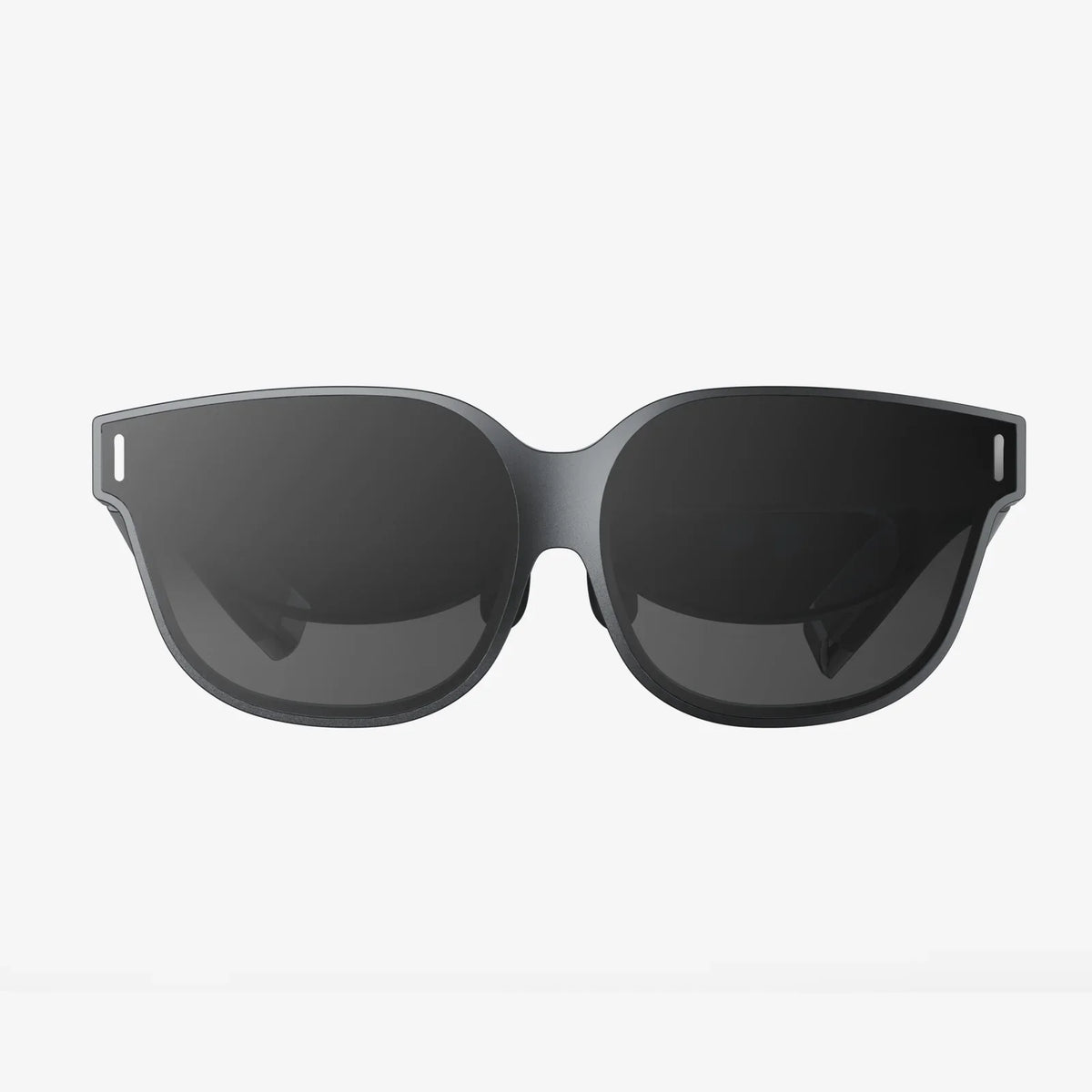
Smart Glasses and Headsets: This is the form factor that delivers on the true, hands-free promise of AR. These wearable devices project digital imagery directly onto special lenses in front of the user's eyes, allowing them to see the blended world naturally. They range from simpler models that primarily display notifications and basic information to advanced systems with full-color, high-resolution displays and extensive environmental understanding. This category represents the future of persistent, all-day computing.
Specialized AR Systems: In industrial, medical, and military settings, highly specialized AR headsets and systems are used. These are often ruggedized, offer enhanced tracking capabilities, and are designed for specific, mission-critical tasks like guiding a surgeon during a procedure or helping a technician assemble a complex machine.
For a newcomer, the initial augmented reality steps can feel like pure magic. The process, while complex behind the scenes, is designed to be intuitive for the user. It typically begins with granting the application the necessary permissions, primarily camera access. Upon launch, the user is often instructed to slowly move their device around, panning across the floor, walls, and nearby objects.
This seemingly simple action is critical. The system is scanning the environment, identifying feature points, and building its internal 3D map. Once it has a lock on the space, visual cues like a grid or dots appear on flat surfaces, indicating they are ready for digital content. The user then taps the screen or uses a voice command to place an object—a piece of virtual furniture, an animated character, a informational label. The object now exists in that spot, and the user can walk around it, view it from different angles, and often interact with it, all while the AR system constantly adjusts its position and lighting to maintain the illusion.
The value of AR extends far beyond entertainment and novelty. Its most profound impact is being felt in enterprise and professional fields, where it is streamlining complex processes and enhancing human capability. The augmented reality steps in these contexts are directly tied to efficiency, safety, and accuracy.
In manufacturing and field service, technicians wearing AR glasses can see digital schematics and instructions overlaid directly onto the machinery they are repairing. Animated arrows can guide them through a complex assembly process, and remote experts can see what they see and draw annotations into their field of view, drastically reducing errors and downtime.
In healthcare, medical students can practice procedures on detailed, interactive 3D models of human anatomy. Surgeons can use AR to visualize a patient's internal anatomy, such as the precise location of tumors or blood vessels, projected onto the patient's body during an operation, creating a kind of X-ray vision.
In retail and interior design, the try-before-you-buy concept has been revolutionized. Customers can use their phones to see how a new sofa would look in their living room at scale and in the correct lighting, or how a new shade of paint would appear on their walls. This reduces purchase anxiety and returns, creating a more confident consumer.
In education and training, AR brings static textbook images to life. A student studying astronomy can point their device at the sky to see constellations labeled; a mechanics student can explore the inner workings of an engine by walking around a 3D model projected onto their desk. This kinaesthetic, visual learning leads to dramatically improved retention and understanding.
For all its promise, the path of augmented reality steps is not without its obstacles. Several significant challenges must be overcome for AR to achieve ubiquitous adoption. Technical hurdles like improving battery life for wearable devices, creating displays that are bright enough for outdoor use yet comfortable for prolonged viewing, and refining spatial mapping to handle dynamic, cluttered environments are active areas of innovation.
Perhaps even more critical are the social and ethical considerations. The concept of persistent digital layers over reality raises profound questions about data privacy, digital advertising, and reality itself. Who has access to the data collected by AR devices constantly scanning our homes and cities? How do we prevent an onslaught of digital spam cluttering our visual field? Establishing norms, etiquette, and robust regulatory frameworks for this new medium is one of the most important societal augmented reality steps we have yet to fully take.
The evolution of AR is accelerating, and the next steps point toward a future that feels like science fiction. We are moving toward a world of context-aware AR, where the system doesn't just understand surfaces but comprehends objects and their functions. Your AR glasses could identify a historical monument and provide information without a prompt, translate a restaurant menu in real-time as you look at it, or remind you of a person's name when you see them at a party.
The ultimate goal is the development of the AR cloud—a persistent, shared digital copy of the real world. This would allow digital content to be permanently anchored to specific locations, viewable and interactable by anyone. You could leave a virtual note for a friend on a park bench, or see an artist's digital sculpture installed in a public square, creating a new layer of collaborative, spatial computing that exists on top of our entire planet.
The journey through the augmented reality steps is more than a technical manual; it is a roadmap to a new way of being. It begins with a spark of curiosity, moves through understanding and access, and blossoms into a transformation of how we work, learn, play, and connect. The digital and physical worlds, long separate, are finally beginning to weave together, and those who take these steps now will be the architects and pioneers of a reality enhanced beyond our wildest dreams.