


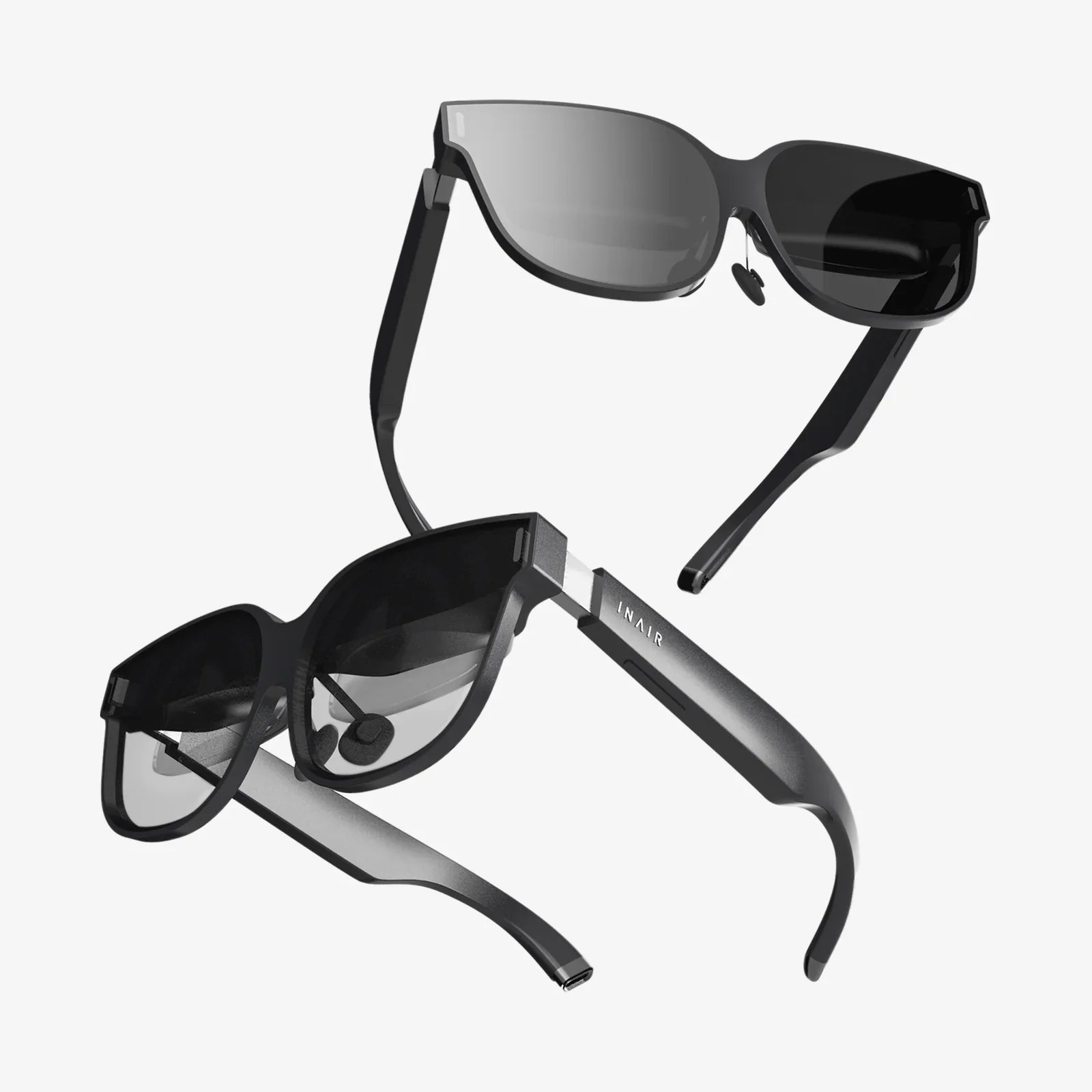
Imagine slipping on a pair of sunglasses, trying out a new shade of lipstick, or seeing how a new sofa would look in your living room—all without ever leaving your house or even touching the physical product. This is no longer a scene from a science fiction film; it is the tangible, exhilarating reality brought to us by augmented reality try on technology. This revolutionary tool is not just a novel gimmick; it is rapidly becoming a cornerstone of the modern retail experience, bridging the gap between the digital and physical worlds in a way that was once unimaginable. It promises a future where shopping is more intuitive, personalized, and confident than ever before, fundamentally altering our relationship with consumer goods.
The Genesis of a Digital Revolution
The journey of augmented reality try on began not in retail, but in entertainment and industrial design. Early iterations were clunky, requiring specialized hardware and offering low-fidelity visuals that were more conceptual than convincing. However, the simultaneous explosion of smartphone capabilities, computer vision algorithms, and increased bandwidth created the perfect storm for this technology to flourish. It evolved from a complex novelty into a seamless, accessible feature powered by the device in nearly every consumer's pocket. This democratization of AR has paved the way for its mass adoption, turning what was once a futuristic concept into an expected feature for forward-thinking brands.
How Does the Magic Work? The Technology Unveiled
Behind the seemingly simple act of virtually trying on a hat lies a sophisticated symphony of technology. The process is a marvel of modern engineering, combining several key components to create a believable experience.
Computer Vision and Facial Mapping
The core of any AR try-on experience is its ability to see and understand the world. Using the device's camera, advanced computer vision algorithms analyze the video feed in real-time. For wearables like glasses or makeup, the software performs intricate facial mapping. It identifies key landmarks—the contours of the eyes, the bridge of the nose, the outline of the lips—to create a precise digital mask of the user's face. This ensures the virtual object moves, rotates, and scales naturally with the user's own movements, preventing the uncanny valley effect where the digital overlay feels disconnected or artificial.
3D Modeling and Rendering
Every product available for try-on must first be converted into a high-fidelity 3D model. These digital twins are created using techniques like photogrammetry or 3D scanning, capturing every detail, texture, and material property of the physical item. When a user activates the try-on feature, the rendering engine places this model onto the tracked surface (face, wrist, or room). It then uses complex lighting calculations to simulate how light would naturally interact with the object in the user's actual environment, casting accurate shadows and displaying realistic reflections to enhance the feeling of realism.
Simulation of Material Properties
This is where the technology truly shines. Trying on a matte lipstick must look different from a glossy one. A metal watch band should reflect light differently than a leather one. Advanced AR platforms simulate subsurface scattering for skin-like materials (e.g., for makeup), metallic reflections for jewelry, and fabric draping for apparel. This attention to material accuracy is crucial for consumer trust; if a virtual lipstick looks shiny and vibrant on the screen, the user must feel confident it will appear the same way when delivered to their door.
Transforming Industries One Virtual Try-On at a Time
The applications for AR try-on extend far beyond a single sector, offering unique solutions to long-standing challenges across numerous industries.
Fashion and Apparel
The fashion industry has embraced this technology to solve the perennial problem of online shopping: fit and style uncertainty. Users can now see how a pair of jeans fits their avatar, how a dress flows as they move, or how a hat sits on their head. This goes a long way in reducing the anxiety associated with buying clothing online, empowering customers to make bolder and more informed choices.
Beauty and Cosmetics
Perhaps the most widespread adoption has occurred in the beauty sector. AR try-on for makeup is a game-changer. Customers can experiment with thousands of shades of foundation, lipstick, eyeshadow, and eyeliner in an instant. They can test bold, avant-garde looks they would never risk purchasing outright or find the perfect subtle nude lip. This technology has made beauty shopping more hygienic, efficient, and incredibly fun, leading to a significant decrease in product returns and a increase in customer engagement.
Eyewear and Jewelry
These are considered high-consideration purchases where how an item looks on the individual is the primary deciding factor. AR allows users to try on countless pairs of glasses or sunglasses to find the perfect shape for their face. Similarly, they can see how a necklace lays on their collarbone or how a ring looks on their finger, assessing scale and style with impeccable accuracy, all from their living room.
Home Furnishings and Decor
While not worn on the body, the principle remains the same: visualizing products in a personal space. AR try-on for home goods allows users to place virtual sofas, chairs, tables, and art directly into their room. They can check for size, scale, and style compatibility with their existing decor, ensuring a new bookshelf will fit perfectly in that empty corner before committing to a purchase that involves delivery logistics.
The Tangible Benefits: More Than Just a Novelty
The value proposition of AR try-on is powerful for both consumers and businesses, creating a win-win scenario that drives commerce forward.
For the Consumer
Shoppers gain an unprecedented level of confidence and convenience. The fear of "will this look good on me?" is virtually eliminated, leading to more satisfying purchases and a drastic reduction in buyer's remorse. It enables personalization at scale, offering a fun, interactive, and engaging shopping experience that transcends scrolling through static images. It also saves time and effort, allowing for extensive experimentation without any physical hassle.
For the Business
For retailers, the data is compelling. Implementing AR try-on leads to higher conversion rates, as customers who engage with the technology are significantly more likely to make a purchase. It substantially lowers return rates, which is a major cost center for e-commerce businesses, especially in apparel and beauty. Furthermore, it increases average order value, as confident customers are more likely to add items to their cart. Beyond metrics, it serves as a powerful differentiator, positioning a brand as innovative and customer-centric, thereby boosting brand engagement and loyalty.
Navigating the Challenges and Looking Ahead
Despite its promise, the path to perfect AR try-on is not without obstacles. Technical hurdles remain, such as ensuring consistent accuracy across diverse skin tones, lighting conditions, and device capabilities. Creating high-quality 3D assets for vast inventories can be resource-intensive. There are also emerging questions about data privacy, as the technology often relies on detailed biometric data from users' faces and bodies.
However, the future is bright. We are moving towards a world where AR try-on is fully integrated into the shopping journey. We can expect hyper-realistic graphics powered by ever-improving hardware and AI. The rise of the metaverse and digital identity will see our virtual try-ons become part of a persistent digital wardrobe. Social shopping will be transformed, as users share their virtual try-ons with friends for feedback in real-time. Ultimately, this technology is pushing us towards a more sustainable retail model by reducing the environmental cost associated with mass product returns and shipping.
The fitting room is being reinvented, not replaced. It's being unbounded from physical stores and placed into the hands of billions, offering a glimpse into a future where our digital and physical possessions seamlessly intertwine. The ability to try before you buy, once a fundamental limitation of online shopping, is now its most exciting frontier, empowering a new era of retail that is immersive, confident, and endlessly creative. The next time you shop for something new, the first place you should look is right through your screen.
Share:
Augmented Reality in Corporate Events: The Ultimate Guide to Transforming Engagement
AR VR Development Companies in India: The Global Hub for Immersive Innovation