


Imagine walking into a corporate event where the static banners on the walls suddenly spring to life, where the person you just shook hands with has a digital name tag floating above their shoulder listing their expertise, and where the keynote presentation transforms into an interactive, 3D data visualization that you can explore with your smartphone. This is no longer a glimpse into a distant future; it is the powerful, present-day reality being unlocked by Augmented Reality (AR) in corporate events. In a world vying for attention and battling participant fatigue, AR has emerged as the ultimate tool to cut through the noise, creating deeply immersive, memorable, and measurably effective experiences that are redefining what it means to host and attend a corporate gathering.
The New Reality of Corporate Gatherings
The fundamental goal of any corporate event—be it a global sales kickoff, an annual shareholder meeting, a product launch, or a large-scale industry conference—is to connect, communicate, and captivate. For decades, the toolkit has been largely the same: a stage, a screen, a slideshow, and some branded swag. However, the digital age has irrevocably altered audience expectations. Participants, now accustomed to personalized, on-demand, and interactive digital content in their daily lives, often find traditional event formats passive and unengaging.
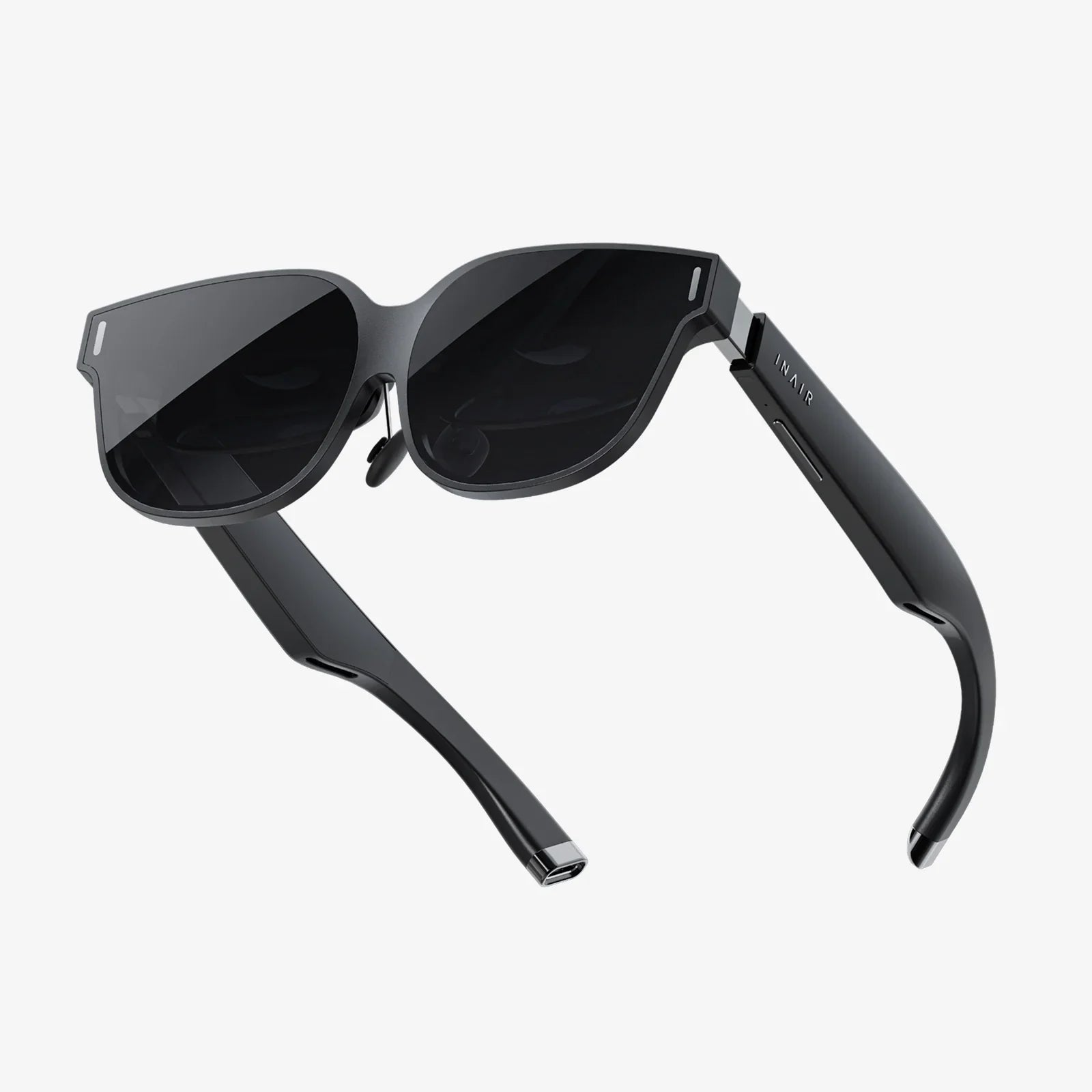
This is the critical gap that Augmented Reality fills. Unlike Virtual Reality (VR), which creates a completely digital environment, AR overlays digital information—images, video, 3D models, data—onto the user's real-world view. This seamless blend of physical and digital makes it uniquely suited for event settings. It doesn't require isolating headsets; it leverages the device already in nearly every attendee's pocket: their smartphone. Or, for more hands-free and sophisticated experiences, it can utilize lightweight AR glasses. This accessibility is a key driver of its rapid adoption.
AR transforms the event venue from a static physical space into a dynamic, interactive canvas. It moves beyond gimmickry to offer tangible solutions for long-standing event challenges: improving networking efficiency, simplifying complex information, generating unprecedented data and analytics, and creating a powerful, shareable buzz that extends the event's reach far beyond its physical and temporal boundaries.
Revolutionizing the Event Journey: From First Touch to Lasting Impression
The application of AR can be strategically woven into every phase of the event attendee journey, enhancing each touchpoint and adding layers of value.
Pre-Event Hype and Registration
Before a single attendee sets foot on site, AR can be deployed to build anticipation and streamline logistics. Event invitations can include AR markers that, when scanned, reveal a video message from the CEO or a 3D teaser of a new product. Registration confirmations can direct users to an AR experience that allows them to preview the venue layout, virtually walk through the expo hall, or even try on digital versions of event merchandise. This not only generates excitement but also provides practical information in a far more engaging format than a PDF map or email.
On-Site Navigation and Networking
The moment an attendee arrives, AR can alleviate common frustrations. Instead of squinting at a folded map, they can hold up their device and see digital arrows overlaid on the live camera feed, guiding them to the main stage, a specific session room, or a colleague's location. This indoor wayfinding is a game-changer for large, complex venues.
Networking, a primary reason for attending events, is supercharged with AR. Digital business cards can be shared with a simple scan, instantly saving contact details and social media profiles. AR-powered attendee badges can display not just names and companies, but also key conversation starters—shared interests, professional skills, or meeting requests—floating subtly in the air around a person, making it easier to break the ice and connect with the right people.
Immersive Presentations and Keynotes
The dreaded "death by PowerPoint" meeting is rendered obsolete. Speakers can use AR to illustrate their points with interactive 3D models that appear to hover on stage. A pharmaceutical company can showcase a new molecular compound, allowing the audience to rotate and dissect it from their seats. An architect can walk attendees through a full-scale, virtual building model projected onto the empty space in the center of the room. This makes abstract concepts tangible and complex data intuitively understandable, dramatically improving information retention and audience engagement.
The Interactive Expo Hall
For exhibitors, capturing attention in a crowded hall is a constant battle. AR turns their booth into an interactive destination. Rather than just looking at a static display of a piece of heavy machinery, attendees can use their device to see a full-scale, digital version of the machine operating, complete with animated cutaways showing its internal mechanics. They can change colors, configure options, and see real-time specifications overlaid on the product. This "try-before-you-buy" digital experience is possible even for products too large or logistically complex to bring to the event. Furthermore, it provides exhibitors with valuable analytics, showing which products garnered the most interaction and for how long.
Gamification and Enhanced Entertainment
AR is a powerful engine for gamification, driving exploration and interaction throughout the venue. Scavenger hunts can send attendees to different locations to scan markers and collect virtual items or points, leading to prizes. Leaderboards foster friendly competition. Social walls can be brought to life, where scanning a display shows a swirling vortex of attendee tweets and photos. Even evening entertainment can be augmented, with AR filters and effects adding a layer of digital fun to receptions and parties, encouraging social sharing and extending the event's digital footprint.
Measuring Success: The Tangible ROI of Augmented Experiences
Investing in event technology must be justified by a return, and AR offers some of the most concrete metrics available. Beyond the subjective "wow" factor, organizers and marketers can track a wealth of data:
- Engagement Depth: Time spent interacting with an AR experience, number of actions taken within it (e.g., product configurations viewed, videos played).
- Lead Generation and Qualification: Scanning an AR element can automatically register a user for a whitepaper download or add them to a high-intent lead list, as it demonstrates a proactive interest.
- Content Interaction: Precise data on which products, messages, or features within an AR experience were most engaging.
- Foot Traffic and Navigation: Heatmaps showing where attendees spent the most time using AR wayfinding or engaging with digital content.
- Social Media Amplification: Tracking shares, mentions, and impressions generated by AR photo filters and interactive social experiences.
This data provides invaluable insights for measuring event success and planning future strategies with a clarity that traditional events simply cannot match.
Navigating the Implementation: A Strategic Approach
Successfully integrating AR is not without its challenges. It requires careful planning, a clear purpose, and robust technology.
- Define Your Objective: Start with the goal, not the technology. Are you aiming to improve networking, simplify a complex product demo, or generate more qualified leads? The objective will dictate the AR experience.
- Ensure Accessibility and Ease of Use: The user interface must be intuitive. If attendees need a lengthy tutorial, the experience has failed. WebAR (AR experiences accessible through a web browser without a dedicated app download) is often preferable for broad accessibility.
- Infrastructure is Key: A strong, reliable Wi-Fi network is non-negotiable. AR experiences consume data, and a poor connection will ruin the immersion and frustrate users.
- Content is Still King: The most beautifully rendered AR experience is worthless if the content is not compelling, relevant, and valuable to the audience. The story must come first.
- Promote and Onboard: Don't assume attendees will discover the AR on their own. Promote it heavily before and during the event with clear signage and simple instructions on how to participate.
The Future is Augmented
The evolution of AR in events is moving at a breathtaking pace. We are rapidly approaching a future where lightweight, stylish AR glasses will become commonplace, offering a truly seamless hands-free experience. This will enable even more natural networking, with facial recognition software (with privacy safeguards) providing real-time information about people you meet. Haptic feedback technology will allow users to "feel" virtual objects. AI integration will personalize experiences in real-time, guiding an attendee to a session they didn't know they needed or introducing them to their most valuable potential connection based on their interests and behavior.
The line between physical and digital will continue to blur, creating a new event hybrid that is more inclusive, more impactful, and more intelligent. Events will become living, breathing entities that adapt to their participants.
The corporations and event organizers who embrace Augmented Reality today are not just adding a novel tech feature; they are future-proofing their communication strategies. They are sending a powerful message to their employees, customers, and stakeholders: that they are innovative, that they value engagement over spectacle, and that they are committed to creating meaningful, memorable human experiences. In the competitive landscape of corporate events, AR is no longer a luxury—it is rapidly becoming the new standard for those who truly want to lead, connect, and inspire.
The next major conference you attend will feel eerily familiar yet fundamentally different. The stage will be the same, the seats unchanged, but the very air around you will be humming with invisible data and digital potential, waiting for you to reach into your pocket and unlock it. The companies that learn to master this augmented layer of reality will not just host events; they will create legends, foster genuine communities, and unlock a level of understanding and connection that was, until now, the stuff of science fiction. The opportunity to transform mundane meetings into extraordinary experiences is literally at your fingertips—will you seize it?
Share:
AR VR Jobs: The Ultimate Guide to Building a Career in the Metaverse
Augmented Reality Try On: The Digital Fitting Room Revolutionizing How We Shop