


Imagine a world where the digital and physical aren't just connected but are seamlessly, intelligently intertwined. A world where your environment is your interface, your data is visualized all around you, and collaboration happens across continents as if everyone is in the same room. This isn't a distant science fiction fantasy; it's the tangible future being built today, and by 2025, it will begin to reshape everything from how we work and learn to how we socialize and shop. The convergence of Augmented Reality (AR) and Virtual Reality (VR) is accelerating at a breathtaking pace, moving beyond niche applications and into the mainstream, driven by a powerful synergy of hardware innovation, artificial intelligence, and a fundamental shift in our computing paradigm. The line between what is real and what is digitally rendered is blurring, and the resulting blended reality promises to be the most transformative technological shift since the advent of the smartphone.
The Great Convergence: From AR and VR to XR
The most significant overarching trend is the erosion of the hard line between AR and VR. The industry is increasingly adopting the umbrella term Extended Reality (XR) to describe this spectrum of immersive technologies. In 2025, we will see this convergence manifest in hardware. The bulky, tethered VR headsets of yesterday are giving way to a new generation of sleek, all-in-one devices that can seamlessly transition between fully immersive virtual environments and rich, context-aware augmented overlays onto the real world. These devices will employ advanced passthrough cameras, offering high-resolution, low-latency video feeds of your surroundings, upon which digital content can be anchored and interacted with naturally. This means a single device could be used for a fully immersive VR training simulation in the morning and an AR-guided equipment repair in the afternoon, eliminating the need for multiple specialized tools and making the technology more accessible and versatile than ever before.
The Rise of the Spatial Web and Contextual Computing
For AR to become truly useful, it must understand the world it is being used in. This is where the concept of the Spatial Web takes center stage. Think of it as the next evolution of the internet: not a series of pages on a flat screen, but a digital layer of information mapped precisely onto the physical world. By 2025, advancements in 3D mapping, computer vision, and semantic understanding will allow devices to not just see surfaces but comprehend them. Your XR device will recognize a coffee machine, understand its model, and instantly overlay a digital interface for programming it or a tutorial for descaling it. It will know the difference between a wall meant for a digital artwork and a window meant to remain transparent to the outside world. This shift to contextual computing, powered by sophisticated AI, will move us from command-based interactions (typing, clicking) to ambient, intuitive ones (looking, gesturing, speaking), making technology feel less like a tool and more like a intelligent assistant woven into the fabric of our daily lives.
AI as the Engine of Immersion
Artificial Intelligence is the silent powerhouse fueling the AR and VR revolution. It is the critical ingredient that makes the trends of 2025 possible. AI algorithms are responsible for the real-time spatial mapping and scene understanding that anchors digital objects securely in the real world, preventing them from jittering or drifting. Generative AI and neural networks will be used to create hyper-realistic avatars and digital humans, capable of nuanced expressions and natural conversation, which will be crucial for remote collaboration and social connection. Furthermore, AI will drive personalization at an unprecedented scale. Your XR environment will learn from your preferences and behaviors, proactively surfacing the information you need, suggesting relevant digital tools, and adapting interfaces to your unique workflow. It will also enable real-time translation of spoken language and text within your field of view, truly breaking down global barriers in communication and commerce.
The Hardware Revolution: Lightweight, Powerful, and Socially Acceptable
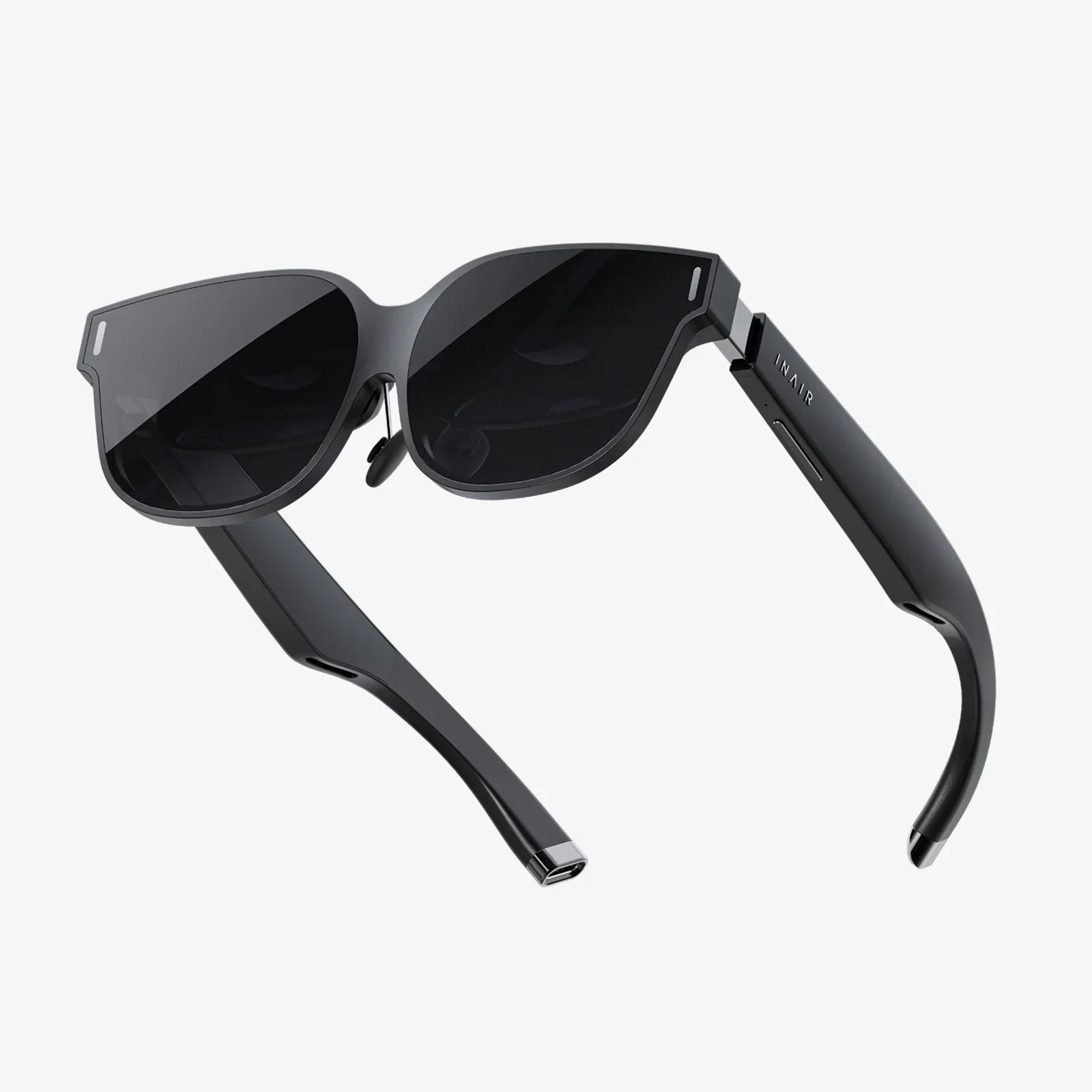
The success of any technology hinges on its form factor. The clunky, isolating headsets that defined early VR are being phased out. The trend for 2025 is unmistakably towards smaller, lighter, more powerful, and socially acceptable glasses. We are moving away from fully enclosed headsets for AR applications and towards designs that resemble premium sunglasses or standard eyewear. These devices will leverage micro-OLED displays for stunning brightness and clarity, and pancake lenses to reduce bulk. Battery technology and thermal management will see significant improvements, allowing for longer usage periods without discomfort. Perhaps most importantly, the goal is for these glasses to be something people want to wear all day—devices that provide utility without cutting users off from their environment or making them look like a cyborg. This shift in design philosophy is essential for moving XR from a dedicated activity to an always-available platform.
Transforming Enterprise and Industry
While consumer applications often grab headlines, the most profound and immediate impact of AR and VR trends in 2025 will continue to be felt in enterprise and industrial settings. The return on investment here is clear and measurable. We will see widespread adoption in several key areas:
Remote Assistance and Collaboration
Expertise will become location-agnostic. A senior engineer in headquarters can see what a field technician sees through their AR glasses, annotate the real world with arrows, diagrams, and instructions, and guide them through a complex repair procedure in real-time, reducing downtime and travel costs dramatically. Teams across the globe will collaborate on 3D models and prototypes in shared virtual spaces as if they were physical objects in front of them.
Training and Simulation
VR will continue to revolutionize training for high-stakes professions. Surgeons can practice complex procedures, pilots can train for emergency scenarios, and factory workers can learn to operate dangerous machinery—all within a risk-free, virtual environment. This allows for perfect repetition, assessment through data analytics, and the building of muscle memory without any real-world consequences.
Design and Prototyping
Architects, engineers, and product designers will use VR to walk through their creations at a 1:1 scale before a single physical resource is spent. They can assess ergonomics, spot design flaws, and make changes instantly, saving millions in the prototyping phase. AR will then be used on construction sites or factory floors to visualize where components should go, directly overlaying blueprints onto the physical space.
The New Creator and Consumer Economy
The AR/VR landscape of 2025 will be built not just by large tech companies, but by a massive wave of creators. User-generated content (UGC) will be the lifeblood of the immersive web. intuitive, no-code creation tools will empower artists, designers, and everyday users to craft their own AR experiences, virtual spaces, and digital assets. This will spark a new digital economy centered around virtual goods, from designer wearables for your avatar to unique digital art to display on your walls at home. The concept of ownership will evolve through NFTs and blockchain technology, providing verifiable scarcity and provenance for digital items. Social media will evolve from flat feeds to immersive 3D spaces where you can hang out with friends' avatars, watch concerts together, or play games, creating new forms of social connection that transcend physical proximity.
Navigating the Challenges: Privacy, Safety, and the Digital Divide
This exciting future is not without its significant challenges. As devices with always-on cameras and microphones become woven into our lives, data privacy and security will be paramount. The concept of "augmented privacy" will need to emerge, with clear rules about what data is captured, how it is processed (preferably on-device), and who has access to it. There are also profound safety concerns; overlaying distracting digital information while walking down a street or driving a car presents obvious dangers that must be addressed through thoughtful design and user education. Furthermore, the cost of advanced XR hardware threatens to create a new digital divide, separating those who can afford access to this enhanced layer of reality from those who cannot. Ensuring equitable access and developing ethical frameworks for this technology will be one of the most critical discussions of the decade.
The world of 2025 will be one where the digital and physical are in constant, harmonious dialogue. It will be a world where information is not something you go to a screen to find, but something that appears around you when you need it. It will redefine collaboration, superhuman productivity, and unleash new waves of creativity and expression. The devices on our faces will become our gateways to a richer understanding of our environment and to deeper connections with people, regardless of distance. The trends are clear: the age of immersive, contextual, and intelligent computing is dawning, and it promises to change absolutely everything. The only question that remains is: are you ready to see the world in a new way?
Share:
AI Glasses Selection: The Ultimate Guide to Choosing Your Next Augmented Reality Companion
Augmented Reality in Content Strategies: The Ultimate Guide to Blending Digital and Physical Realms