


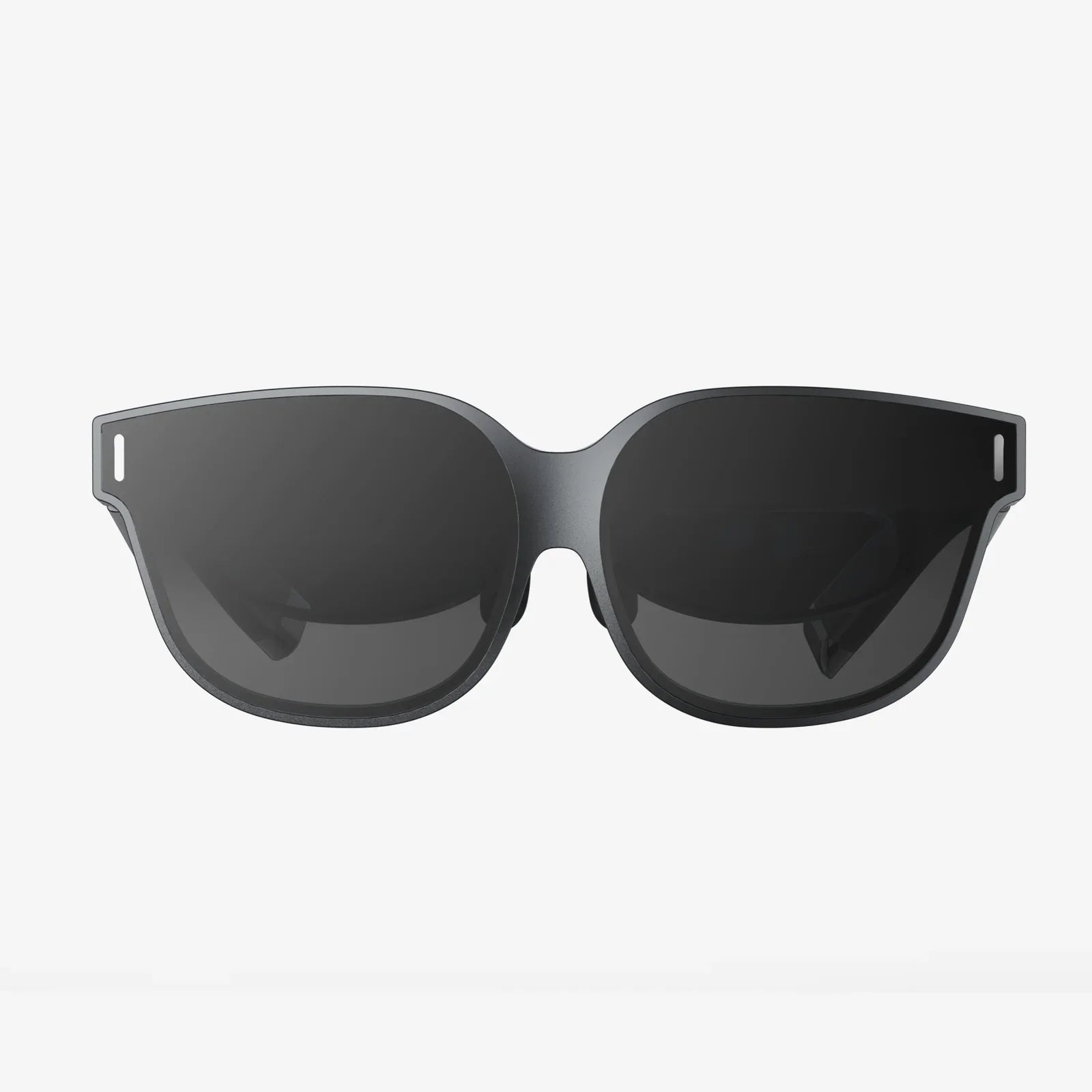
- by wangfred
Augmented Virtual Reality Eyeglass Market: A New Vision for the Future
- by wangfred
Imagine a world where the digital and the physical are no longer separate realms, but a single, seamless tapestry of experience. This is the promise held within the burgeoning augmented virtual reality eyeglass market, a sector teetering on the cusp of revolutionizing human-computer interaction. We are moving beyond the era of clunky headsets and isolated virtual experiences toward a future where lightweight, stylish eyeglasses overlay our reality with a rich, contextual, and interactive digital layer. This isn't just about playing games or watching immersive movies; it's about fundamentally altering how we work, learn, communicate, and navigate the world around us. The convergence of augmented reality (AR) and virtual reality (VR) into a single, elegant form factor represents one of the most significant technological shifts of our time, and its market potential is as vast as the applications it will enable.
To understand the market, one must first understand the technology it is built upon. The term augmented virtual reality eyeglasses signifies a powerful synthesis. Virtual Reality (VR) traditionally immerses the user in a completely digital environment, shutting out the physical world. Augmented Reality (AR), by contrast, superimposes digital information—images, text, data—onto the user's view of their real-world surroundings. The next generation of eyewear is blending these capabilities.
These devices are not the bulky, tethered headsets of yesteryear. They are designed to be as unobtrusive and socially acceptable as standard eyeglasses, yet they pack sophisticated technology into their slim frames. This includes micro-displays projected onto the lenses, advanced spatial audio systems, a suite of sensors (cameras, accelerometers, gyroscopes, LiDAR), and powerful onboard processing, often complemented by companion devices like smartphones or wearable computers.
The rapid expansion of the augmented virtual reality eyeglass market is not happening in a vacuum. It is being propelled by a powerful combination of technological advancement, changing consumer behaviors, and pressing industrial needs.
Breakthroughs in several core technologies are making these devices feasible. Micro-OLED and Laser Beam Scanning displays offer high resolution and brightness in tiny form factors. The miniaturization of sensors allows for precise tracking of the user's head, eyes, and environment. Perhaps most critically, advancements in artificial intelligence and machine learning enable real-time object recognition, spatial mapping, and natural language processing, making the digital overlay contextually aware and intelligent. Furthermore, the rollout of high-speed, low-latency 5G networks is crucial for offloading intensive processing to the cloud, reducing the device's weight and power consumption.
While consumer applications often grab headlines, the enterprise sector is currently the primary engine for market growth. Industries are discovering profound value in using smart eyeglasses to enhance efficiency, safety, and accuracy. In manufacturing and logistics, workers use them for hands-free order picking, assembly instructions, and remote expert assistance, drastically reducing errors and training time. In healthcare, surgeons can visualize patient data and surgical plans directly in their field of view, while medical students can learn through detailed anatomical overlays. Field service technicians can receive schematics and guidance without looking away from a complex machine.
The cultural and technological shift towards the metaverse—a persistent network of interconnected 3D virtual worlds—demands a new type of interface. Augmented virtual reality eyeglasses are positioned to be the primary gateway to this new digital frontier. They enable what is often called spatial computing, where the computer interface escapes the confines of a screen and integrates into the user's environment. This vision of a ubiquitous computing experience is a powerful driver for both investment and consumer interest.
Despite the immense potential, the path to mass adoption is fraught with significant hurdles that the market must overcome.
The eternal challenge of wearable technology is balancing performance with battery life and size. High-resolution displays and powerful processors are energy-intensive. For all-day usability, devices need to achieve a battery life that doesn't cause range anxiety, either through massive efficiency gains, innovative battery technology, or a combination of device and cloud processing. Simultaneously, the form factor must continue to trend toward the normalcy of everyday eyewear. Consumers will be reluctant to wear anything that is overly conspicuous, uncomfortable, or aesthetically unpleasing.
How does one interact with a digital overlay that exists in the space around them? Traditional input methods like keyboards and touchscreens are inadequate. The market is experimenting with a variety of solutions: voice commands, hand gesture recognition, touchpads on the frames, and even advanced eye-tracking. Perfecting a method that is intuitive, accurate, private, and socially acceptable is a monumental challenge. The user interface design itself must be informative without being overwhelming, providing value without creating a distracting or dangerous clutter in the user's vision.
Devices equipped with always-on cameras and microphones that record the world raise profound privacy concerns. The potential for unauthorized data collection, surveillance, and the mere creep factor of being recorded by someone's glasses could trigger significant public and regulatory backlash. Establishing clear, transparent, and robust privacy frameworks is not just an ethical imperative but a commercial necessity for the market's long-term health. This includes visual indicators that show when recording is active and strict data anonymization policies.
The true measure of this market's success will be its utility. The applications stretch across nearly every facet of modern life.
The augmented virtual reality eyeglass market is a dynamic battleground involving tech giants, ambitious startups, and established optical industry leaders. Competition is fierce, not just on hardware specs, but on the development of the underlying software platforms and application ecosystems. The winners will likely be those who can create a seamless, integrated, and compelling suite of experiences that lock users into their particular platform. Strategic partnerships between hardware manufacturers, software developers, and enterprise clients are becoming increasingly common as the market matures and specialization increases.
This is a market on the verge of a paradigm shift, moving from niche prototypes to essential tools. The companies that can successfully navigate the intricate balance of technological innovation, user-centric design, and ethical responsibility will not only dominate the market but will also shape the very fabric of our future reality. The race is on to define the next dominant platform, and it will be worn on our faces.
The line between our digital lives and our physical reality is blurring, and the augmented virtual reality eyeglass market is holding the brush. This isn't just another gadget trend; it's the foundation for a fundamental rewiring of human experience, offering a glimpse into a future where information is not something we seek out, but something that seamlessly seeks us, enhancing our perception and empowering our capabilities in ways we are only beginning to imagine.