


- by wangfred
Australia Extended Reality Market: Navigating the Next Frontier of Digital Interaction
- by wangfred
Imagine a future where surgeons in Sydney rehearse complex procedures on hyper-realistic digital twins of their patients' organs, where mining engineers in Western Australia inspect hazardous sites from the safety of a control room thousands of kilometers away, and where students in rural Queensland embark on immersive virtual field trips to the Great Barrier Reef or ancient Rome. This is not a distant science fiction fantasy; it is the rapidly materializing reality of the Australia extended reality market, a technological revolution that is blurring the lines between the physical and digital worlds and capturing the imagination of innovators, investors, and industries across the nation.
The Australian market for extended reality is not developing in a vacuum. It is being propelled by a powerful confluence of technological, economic, and societal factors that create a fertile ground for innovation and adoption.
The rollout of next-generation connectivity, particularly 5G networks, is a critical enabler for XR. The high bandwidth and low latency offered by 5G are essential for streaming high-fidelity immersive experiences and for cloud-based rendering, which allows complex XR applications to run on more affordable hardware. Concurrently, the hardware itself is undergoing a revolution. Headsets are becoming lighter, more comfortable, and offer significantly higher-resolution displays, while the development of more sophisticated haptic feedback systems and inside-out tracking is enhancing the sense of presence and immersion, making the technology more accessible and less cumbersome for prolonged use.
Australia boasts a robust and collaborative XR ecosystem. World-class universities and research institutions, such as the CSIRO and numerous leading universities, are at the forefront of XR research, developing cutting-edge applications in fields like medical visualization and data analytics. This academic excellence is complemented by a vibrant startup scene, particularly in tech hubs like Sydney, Melbourne, and Brisbane, where entrepreneurs are developing innovative XR solutions. Recognizing the strategic importance of this sector, various levels of government have initiated support programs, grants, and funding opportunities aimed at fostering innovation and developing a skilled workforce in emerging technologies, including XR.
Australian industries are increasingly turning to XR to solve pressing economic challenges. In a country with vast distances and a geographically dispersed population, the ability to collaborate remotely in a shared, immersive space offers tremendous value, reducing travel costs and time. Furthermore, as part of the global shift towards Industry 4.0, companies in sectors like mining, manufacturing, and agriculture are leveraging XR for training, remote assistance, and digital prototyping to enhance safety, improve efficiency, and reduce operational downtime. The drive for productivity gains is a powerful motivator for investment in these immersive tools.
The true measure of the Australia extended reality market's potential lies in its practical, real-world applications that are already delivering tangible benefits across a diverse range of sectors.
The healthcare sector is emerging as a pioneer in XR adoption. Surgeons are using augmented reality overlays to visualize critical anatomical structures during operations, improving precision and patient outcomes. Medical students are practicing procedures in risk-free virtual environments, accelerating their learning curve without any danger to patients. XR is also revolutionizing therapy and rehabilitation, with virtual reality exposure therapy being used to treat conditions like PTSD and phobias, and immersive games aiding in the physical rehabilitation of patients recovering from strokes or injuries.
In education, XR is moving beyond novelty to become a powerful pedagogical tool. It offers experiential learning opportunities that were previously impossible or impractical. History lessons can become immersive journeys through time, complex scientific concepts can be visualized and interacted with in 3D, and vocational training can be conducted in simulated, realistic environments. Similarly, in the corporate world, companies are using VR to conduct highly effective and safe training for high-risk roles, from electrical line workers to emergency responders, while AR is being used for on-the-job performance support, overlaying instructions and data onto physical equipment.
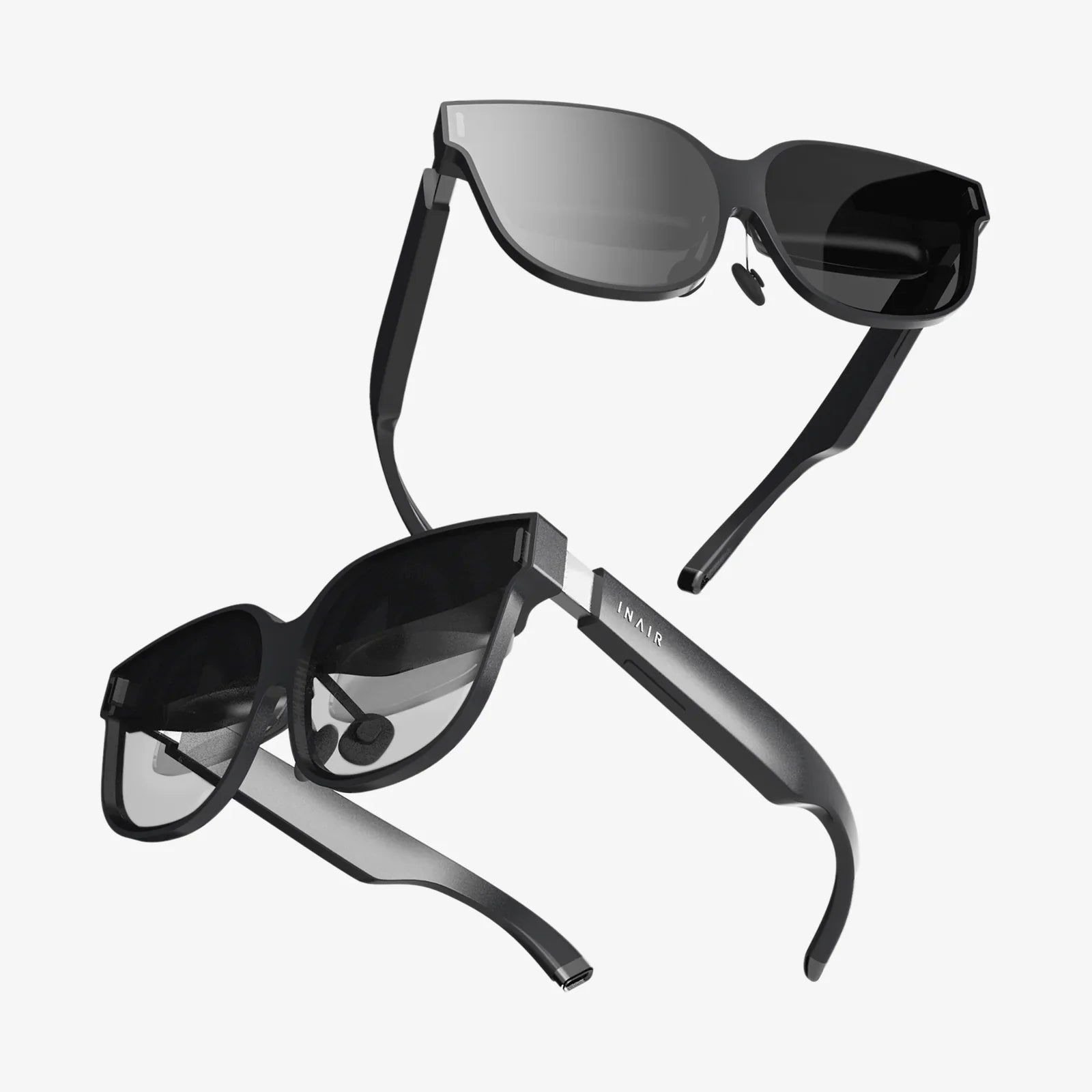
Australia's powerhouse resources sector is a major adopter of XR technology. Companies are using VR to create digital twins of entire mines or processing plants, allowing for immersive planning, optimization, and training. Field technicians wearing AR smart glasses can receive real-time remote expertise from a senior engineer located in a city office, who can annotate the technician's field of view with arrows and instructions. This not only resolves issues faster but also drastically reduces the need for experts to travel to remote and often hazardous sites, enhancing overall safety and operational efficiency.
Consumer-facing industries are harnessing XR to create engaging and personalized customer experiences. Furniture retailers allow customers to place virtual products in their own homes using their smartphone cameras to see how they look and fit before purchasing. Real estate agents offer virtual property tours, enabling potential interstate or international buyers to explore a property at any time. The tourism industry is creating immersive previews of destinations and experiences, from diving on the reef to touring wineries, providing a powerful new marketing tool to attract visitors.
Despite its immense promise, the Australia extended reality market must overcome several significant challenges to achieve widespread, mainstream adoption.
Issues like simulator sickness, which affects a portion of users in VR environments, remain a concern that hardware and software developers are working to mitigate. The form factor of headsets, while improving, is still a barrier for all-day use in enterprise settings. Furthermore, creating high-quality, realistic, and valuable XR content is still a complex and often expensive process, requiring specialized skills that are in short supply. The absence of universal standards and interoperability between different platforms and devices can also create friction and fragmentation within the market.
The initial investment required for enterprise-grade XR hardware and software development can be substantial, making the return on investment (ROI) a critical calculation for businesses. While the supporting infrastructure is improving, consistent, high-speed internet access is not yet universal across Australia, which can limit the deployment of cloud-rendered XR solutions in regional and remote areas, precisely where they could offer some of the greatest benefits.
As with any data-intensive technology, data privacy and security are paramount concerns, especially when XR devices can capture detailed biometric and spatial data. There are also unanswered questions regarding the long-term psychological effects of prolonged immersion in virtual environments. From a regulatory perspective, Australia will need to develop clear guidelines and frameworks around the use of XR, particularly in sensitive areas like medical device certification, data protection, and safety standards in industrial applications.
The trajectory of the Australia extended reality market points towards a future of deeper integration and more profound impact. We are moving towards the concept of the spatial web or the metaverse—a persistent network of interconnected 3D virtual spaces where people can work, socialize, and play. In this future, the distinction between using an app and entering an immersive experience may blur entirely. The convergence of XR with other transformative technologies like artificial intelligence and the Internet of Things will unlock even more powerful applications. AI will be used to generate dynamic, responsive virtual environments and intelligent virtual assistants, while IoT sensors will feed real-world data into the XR layer, creating a perfect digital reflection of the physical world for analysis and interaction.
The journey of the Australia extended reality market is just beginning, a thrilling convergence of human ingenuity, technological possibility, and economic necessity that is set to redefine the Australian digital landscape for decades to come.
From the remote outback to bustling urban centers, Australian businesses and institutions are only just starting to scratch the surface of how these immersive tools can solve old problems in startlingly new ways. The next wave of adoption won't be about the technology itself, but the invisible, seamless value it creates—the safety improvements on a worksite, the student who finally grasps a complex concept, the patient who receives a better diagnosis. This is the quiet revolution building within the Australia extended reality market, and its impact will be felt far beyond the headset, reshaping the very fabric of how we work, learn, and connect.
Share:
What Is The Best VR Headset Currently - The Ultimate 2024 Buyer's Guide
Best Extended Reality Development Platforms: A Guide to Building the Future