


- by wangfred
Auto Focus Eyeglasses Technology: The Future of Vision is Here
- by wangfred
Imagine a world where your eyeglasses see the world as you do, shifting focus from a book in your hands to a bird in a distant tree with the same effortless precision as your eyes once did in your youth. This is no longer the stuff of science fiction; it is the tangible, transformative reality promised by auto focus eyeglasses technology. This groundbreaking innovation is poised to shatter the limitations of traditional static lenses, offering a dynamic and personalized visual experience that could redefine our relationship with vision correction forever. For millions navigating the frustrating blur of presbyopia or the cumbersome compromise of multifocal lenses, this technology heralds a new dawn of visual freedom.
The human eye is a marvel of biological engineering. Its crystalline lens changes shape—a process known as accommodation—to focus on objects at varying distances, providing us with seamless vision from near to far. However, as we age, typically beginning in our early to mid-40s, this lens gradually loses its flexibility. This age-related condition, known as presbyopia, is an inevitable part of the human experience, making it increasingly difficult to focus on close-up objects like text messages, restaurant menus, or threading a needle.
For centuries, the solution has been static corrective lenses. Reading glasses offer a fixed focal point for near work but must be constantly removed to see at a distance. Bifocals, invented by Benjamin Franklin, combine two prescriptions into one lens but create a jarring, visible line and an abrupt jump in vision. Their successor, progressive addition lenses (PALs), attempt a smoother transition by blending prescriptions. However, they often come with significant peripheral distortion, forcing users to learn to point their nose precisely at what they wish to see clearly, leading to a frustrating period of adaptation and often causing dizziness or eyestrain.
All these solutions share a fundamental flaw: they are passive. They cannot react to the user's gaze. They provide a predetermined, fixed field of view, forcing the wearer to adapt to the glasses rather than the glasses adapting to the wearer. This one-size-fits-most approach creates a constant cognitive and physical burden, a compromise that millions have reluctantly accepted—until now.
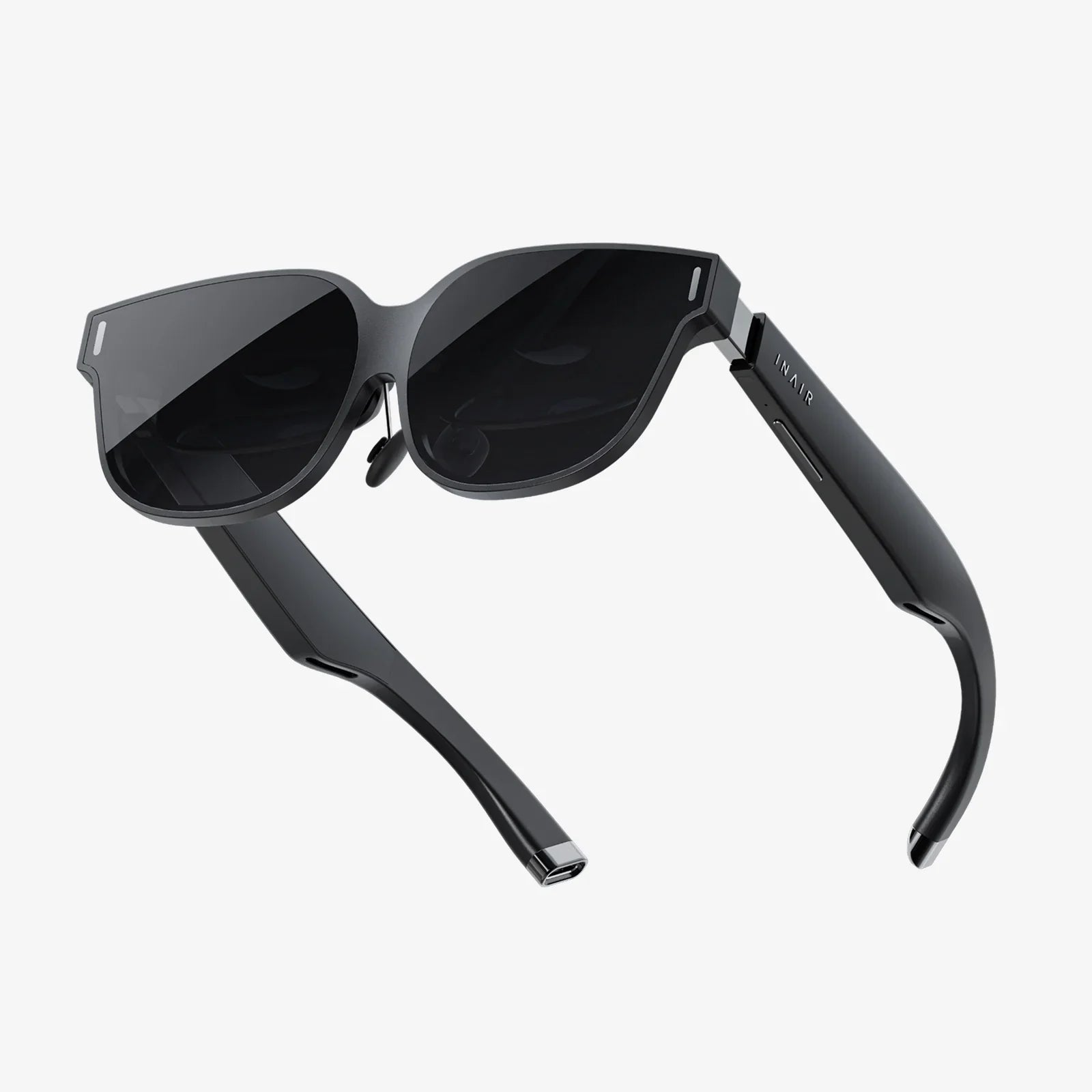
Auto focus eyeglasses technology flips the entire paradigm of vision correction on its head. Instead of being passive pieces of ground plastic or glass, these are active, sophisticated cybernetic systems designed to work in harmony with the wearer. The core functionality can be broken down into three integrated components: sensing, processing, and actuating.
Embedded within the eyeglass frames are tiny, incredibly low-power sensors. These often include infrared depth sensors or miniature LiDAR (Light Detection and Ranging) systems, similar to those found in some smartphones and autonomous vehicles. These sensors continuously and imperceptibly scan the environment in front of the wearer, measuring the distance to the object or point at which the user is looking. This data is collected thousands of times per second, creating a real-time depth map of the visual field.
The raw data from the sensors is fed into a miniature, onboard microprocessor. This is the "brain" of the system. Its job is to analyze the depth map data, interpret the user's intended focal point, and calculate the precise optical power required to bring that specific object into perfect focus. Advanced algorithms ensure this process is smooth, accurate, and anticipates the user's needs, avoiding any jittery or laggy adjustments that could cause discomfort.
This is the most magical part of the system. Once the processor determines the required focal length, it sends a command to the actuators. These are microscopic mechanisms that physically alter the properties of the lenses. There are two primary approaches achieving this:
This entire cycle—sensing, processing, and actuating—happens in milliseconds, creating a fluid and intuitive experience where the world simply appears in focus, regardless of distance.
The adoption of auto focus eyeglasses technology is not merely an incremental upgrade; it represents a quantum leap in quality of life for those with presbyopia and other focusing issues. The benefits extend far beyond simple clarity.
As with any pioneering technology, the current iteration of auto focus eyeglasses is not without its considerations. Early adopters should be aware of the trade-offs as the technology matures.
The frames, due to the embedded electronics, sensors, and batteries, are necessarily thicker and potentially heavier than ultra-lightweight traditional frames. While design is rapidly improving, aesthetics remain a consideration for some. Furthermore, the technology requires power. The built-in rechargeable battery typically lasts a full day on a single charge, but it introduces a new routine—charging one's glasses—which is a novel concept for most users.
Cost is also a significant factor. The complex R&D, sophisticated components, and precision manufacturing involved make these devices a considerable investment compared to standard eyeglasses. However, as production scales and technology evolves, these costs are expected to decrease, following the trajectory of nearly all advanced electronics.
The future roadmap for this technology is incredibly exciting. We can anticipate:
Auto focus eyeglasses technology is more than just a convenient gadget; it is the first step toward a future where wearable devices are truly adaptive and responsive to our biological needs. They represent a shift from corrective vision to enhanced vision, offering a glimpse into a world where our tools don't just compensate for our weaknesses but actively work to eliminate them.
The dream of eyeglasses that think for themselves, that move with the rhythm of our gaze and restore a natural, effortless way of seeing, is now a reality you can hold in your hands. This is not merely an evolution of the lens; it is a revolution in perception, offering a clarity that goes beyond 20/20 vision to deliver something far more valuable: uninterrupted engagement with the beautiful, intricate details of life, from the smallest text to the most expansive horizon. The future of sight is adaptive, intelligent, and finally here.
Share:
AI Glasses with Open Ear Audio: The Next Frontier in Personal Technology
AR VR Industry Report: A Deep Dive into the Next Digital Frontier