


- by wangfred
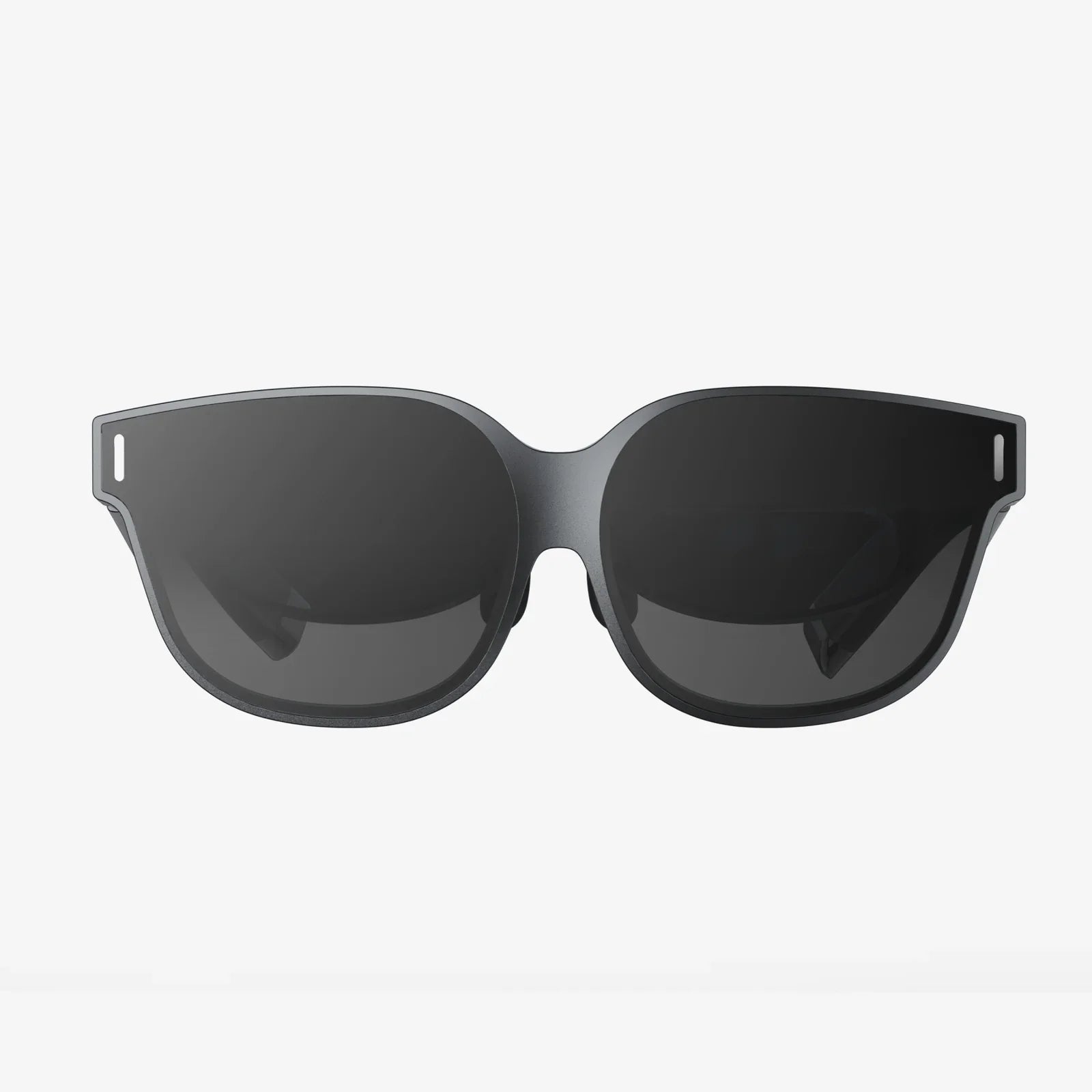
Auto Focus Eyeglasses: The Revolutionary Lenses Changing How We See
- by wangfred
Imagine a world where your eyeglasses see what you see, anticipate your needs, and adjust instantaneously, freeing you from the constant, frustrating search for the right pair of readers or the awkward chore of looking over your bifocals. This is no longer the realm of science fiction. The dawn of auto focus eyeglasses is upon us, promising to shatter the century-old paradigm of static vision correction and usher in a new era of dynamic, intelligent sight.
To understand the profound impact of auto focus technology, one must first appreciate the problem it seeks to solve. For nearly everyone after the age of 40, a natural biological process called presbyopia begins to take hold. The eye's crystalline lens, once soft and flexible, gradually hardens. The tiny ciliary muscles that control this lens weaken. This one-two punch robs the eye of its ability to accommodate—to change focus from distant objects to near ones and everything in between.
This loss of near vision is not a disease but a universal sign of aging, affecting billions globally. The traditional solutions—reading glasses, bifocals, trifocals, and progressive lenses—are all compromises. They are static corrections in a dynamic world.
All these solutions force the human to adapt to the technology. Auto focus eyeglasses flip this script entirely, creating technology that adapts seamlessly to the human.
The core principle behind auto focus eyeglasses is elegantly simple: replicate the natural accommodating function of a youthful eye. Achieving this, however, is a feat of sophisticated engineering that blends optics, mechanics, and electronics. While specific implementations vary, the overarching technology generally falls into two interconnected categories: sensing and actuation.
To know what to focus on, the glasses must first understand what the wearer is intending to look at. This is typically accomplished through a combination of miniature, low-power sensors embedded in the frame.
This data is fed instantly to a tiny, integrated processor—the brain of the operation—which calculates the exact focal power required.
Once the necessary focal power is determined, the system must physically alter the optics of the lenses. This is the true mechanical marvel. One prominent approach involves lenses filled with a transparent, flexible fluid.
Another method relies on advanced electro-active materials that change their shape or refractive properties in response to an electrical current, achieving a similar change in focus without moving parts. The result is the same: a seamless, automatic transition from reading a book to looking across the room, all through a single, uninterrupted field of perfect vision.
While liberating users from the hassle of switching glasses is a monumental quality-of-life improvement, the implications of auto focus technology run far deeper.
Consider the act of driving. A carpenter wearing traditional progressives must look down at his dashboard through the narrow reading portion of his lenses, taking his eyes and focus away from the road. With auto focus glasses, his view of the road remains consistently clear. A quick, natural glance downward triggers an instantaneous and precise adjustment to focus on the speedometer, before automatically snapping back to distance vision as his gaze returns to the windshield. This seamless transition significantly reduces a major source of distraction and potential accident risk.
Any task that requires rapid shifts between detailed close-up work and environmental awareness stands to be transformed.
The constant mental effort of compensating for static lenses—the head tilts, the squinting, the frustration of distorted peripheral vision—creates a low-grade but persistent cognitive load. By eliminating this visual friction, auto focus glasses can reduce eye strain and headaches, potentially leading to greater comfort, prolonged productivity, and a more effortless engagement with the world. It restores a sense of visual freedom that many haven't experienced since their youth.
As with any pioneering technology, early adopters of auto focus eyeglasses face certain considerations. The initial cost is typically higher than that of traditional high-end progressive lenses, reflecting the advanced technology and components involved. The frames, which house the electronics and power source, may be slightly thicker or heavier than ultra-minimalist fashion frames, though they are rapidly evolving to become more lightweight and stylish.
The system requires power, meaning the glasses need to be recharged, usually via a small charging case or cable overnight. However, the battery life is consistently being improved to last through a full waking day. Users must also adapt to a new kind of visual experience—one where the glasses are making constant micro-adjustments. For the vast majority, this feels natural and intuitive within a very short period, but it represents a fundamental shift from passive eyewear to an active, assistive device.
The future of this technology is dazzlingly bright. We can anticipate lenses with even faster response times, more sophisticated AI-driven predictive focusing that learns user habits, and increasingly seamless integration of the technology into a wider variety of frame styles. Furthermore, the core technology could eventually be adapted to address other vision challenges beyond presbyopia, potentially helping those with certain types of low vision or other focusing disorders.
Auto focus eyeglasses represent more than just an incremental upgrade; they are a paradigm shift. They mark the moment when eyewear evolved from a passive corrective tool into an active, intelligent partner in seeing. They promise a world where our glasses work as hard as our eyes do, not the other way around. For anyone who has ever fumbled for a pair of readers, squinted over their glasses, or simply wished for a smoother, clearer view of life's every detail, the future of sight is coming into focus, and it is brilliantly automatic.
Share:
Headset for Android Smartphone: The Ultimate Guide to Choosing Your Perfect Audio Companion
Digital Eye Lenses: The Future of Vision in a Screen-First World