


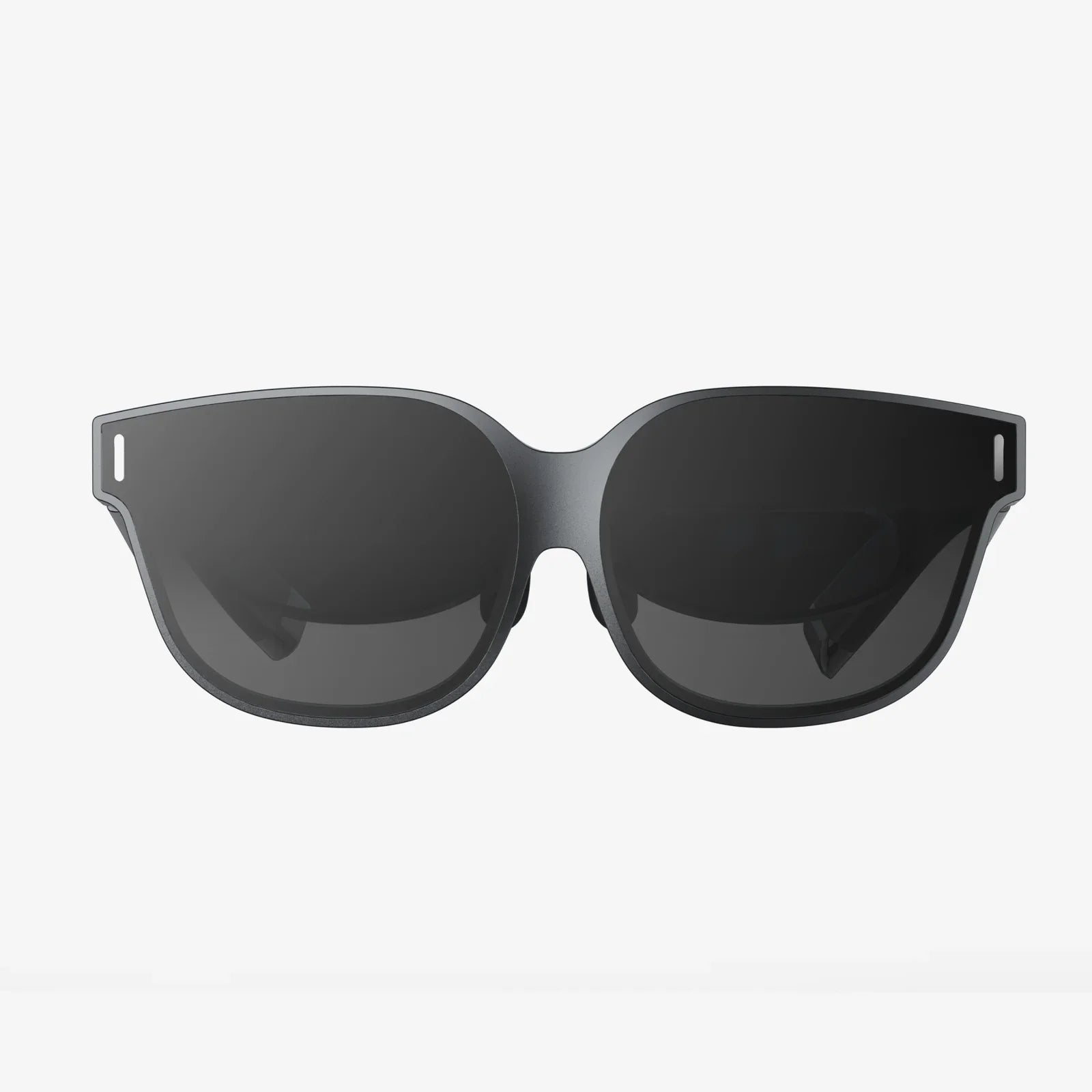
- by wangfred
Automatic Glasses: The Future of Vision is Here and It's Smarter Than Ever
- by wangfred
Imagine a world where your glasses see what you see, understand your environment, and adapt instantaneously to give you perfect vision in any condition. This isn't a scene from a science fiction movie; it's the reality being ushered in by the revolutionary technology of automatic glasses. This groundbreaking innovation is poised to transform eyewear from a passive, corrective tool into an active, intelligent partner in our daily lives, fundamentally changing our relationship with vision and the world around us.
For centuries, the core function of glasses remained largely unchanged: to bend light in a specific, static way to correct a refractive error in the eye. Whether for nearsightedness, farsightedness, or astigmatism, a pair of lenses was ground to a precise prescription and that was that. The first major leap towards automation came with photochromic lenses, which darken in response to UV light. While innovative for their time, their limitations were clear—slow transition times, ineffective behind car windshields that block UV, and a one-size-fits-all response to light intensity.
Automatic glasses represent a quantum leap beyond this. They are not merely reactive; they are proactive. By integrating micro-electronics, sophisticated sensors, and advanced algorithms, they create a dynamic system that continuously optimizes vision. This marks the shift from eyewear as a simple optical device to what can be termed a 'wearable visual platform,' capable of a multitude of functions tailored to the individual's immediate needs.
The magic of automatic glasses lies in a sophisticated interplay of hardware and software. At their core, they are a marvel of miniaturization and engineering.
Embedded within the frame are a series of tiny, almost invisible sensors. These typically include:
The data from all these sensors is fed into a tiny, low-power microprocessor embedded in the frame. This is the brain of the operation. It runs complex algorithms that interpret the sensor data in real-time. For instance, it can differentiate between walking into a sunny street and sitting in a car. It understands that a quick motion might be a glance and not a permanent change of environment, preventing unnecessary adjustments.
The final piece of the puzzle is the lens technology itself. There are several ways automatic glasses achieve their adaptive effect:
A small, rechargeable battery, often integrated discreetly into the hinges or arms, powers the entire system for a full day or more on a single charge.
While transitioning from clear to dark is the most obvious application, the potential of automatic glasses extends far beyond replacing a separate pair of sunglasses.
Imagine never having to squint again. Automatic glasses can eliminate eye strain and fatigue by maintaining optimal light transmission throughout the day. They seamlessly adjust as you move from indoors to outdoors, from a bright screen to a shadowy corner, providing consistent visual comfort and reducing the headaches associated with constantly changing light conditions.
For drivers, this technology is a game-changer. Instant adaptation when entering a tunnel or dealing with the glare of a low sun can significantly improve reaction times and reduce dangerous moments of blindness. For athletes, glasses that can adapt to the specific lighting conditions on a ski slope, a golf course, or a cycling path can enhance performance and safety by providing unparalleled visual clarity.
As we age, our eyes lose flexibility, making it harder to focus between near and far (presbyopia) and increasing sensitivity to glare. Future iterations of automatic glasses could automatically adjust their focal power, effectively acting as dynamic bifocals or progressive lenses that require no conscious effort from the wearer. They could also selectively filter out blinding glare from oncoming headlights at night, making driving safer for older adults.
Automatic glasses are the perfect foundational technology for true, all-day AR eyewear. The same sensor suite that detects light can map the environment. The adaptive lenses can serve as a display surface for digital information. The first step is adaptive vision; the next is a persistent digital overlay on reality, providing navigation, information, and communication directly within the user's field of view.
Despite their immense potential, automatic glasses face several hurdles on the path to widespread adoption.
The integration of advanced micro-electronics and proprietary lens technology currently places automatic glasses at a higher price point than standard prescription eyewear. As with any technology, costs are expected to decrease as manufacturing scales and becomes more efficient, but for now, they represent a premium product.
Traditional glasses are simple, rugged objects. Adding electronics, batteries, and complex layered lenses introduces new points of potential failure. The industry must ensure these products are as durable and low-maintenance as possible, with robust warranties and straightforward repair or replacement pathways.
Eyewear is a deeply personal fashion accessory. Early adopters may tolerate slightly thicker arms or frames to accommodate technology, but for mass-market appeal, automatic glasses must become indistinguishable from high-end fashion frames in terms of aesthetics, weight, and comfort. The ongoing miniaturization of electronics is making this increasingly feasible.
This is perhaps the most critical consideration. Glasses with sensors that are constantly monitoring your environment and your activities raise legitimate privacy concerns. Who has access to this data? How is it stored and used? Manufacturers must be transparent and implement privacy-by-design principles, ensuring all data processing happens locally on the device whenever possible and that users have complete control over their information.
The current state of automatic glasses is just the beginning. We are moving towards a future where your glasses will be a comprehensive health monitoring platform. Imagine lenses that can track blood sugar levels through the tears on the surface of your eye, or sensors that can monitor for signs of neurological conditions like Parkinson's disease by analyzing subtle changes in your gait and movement patterns. They could remind you to take breaks to reduce eye strain, track your exposure to harmful blue light, or even help manage conditions like myopia progression in children.
The convergence of adaptive optics, biometric sensors, and augmented reality will create a device that is less of a pair of glasses and more of a personal visual assistant, dedicated to protecting, enhancing, and understanding your sight and overall well-being.
The era of static vision is coming to a close. Automatic glasses are not just a new product; they are the foundation for a fundamental shift in human-device interaction, placing intelligent, adaptive technology directly in front of our most important sense. They promise a future where perfect vision is not a fixed state but a dynamic, seamless, and personalized experience, effortlessly integrated into every moment of our lives. The question is no longer if this future will arrive, but how quickly we will embrace the incredible potential of sight, reimagined.
Share:
3D Holographic Projector: Peering Into the Future of Visual Technology
XR Game The Ultimate Frontier in Immersive Digital Entertainment