


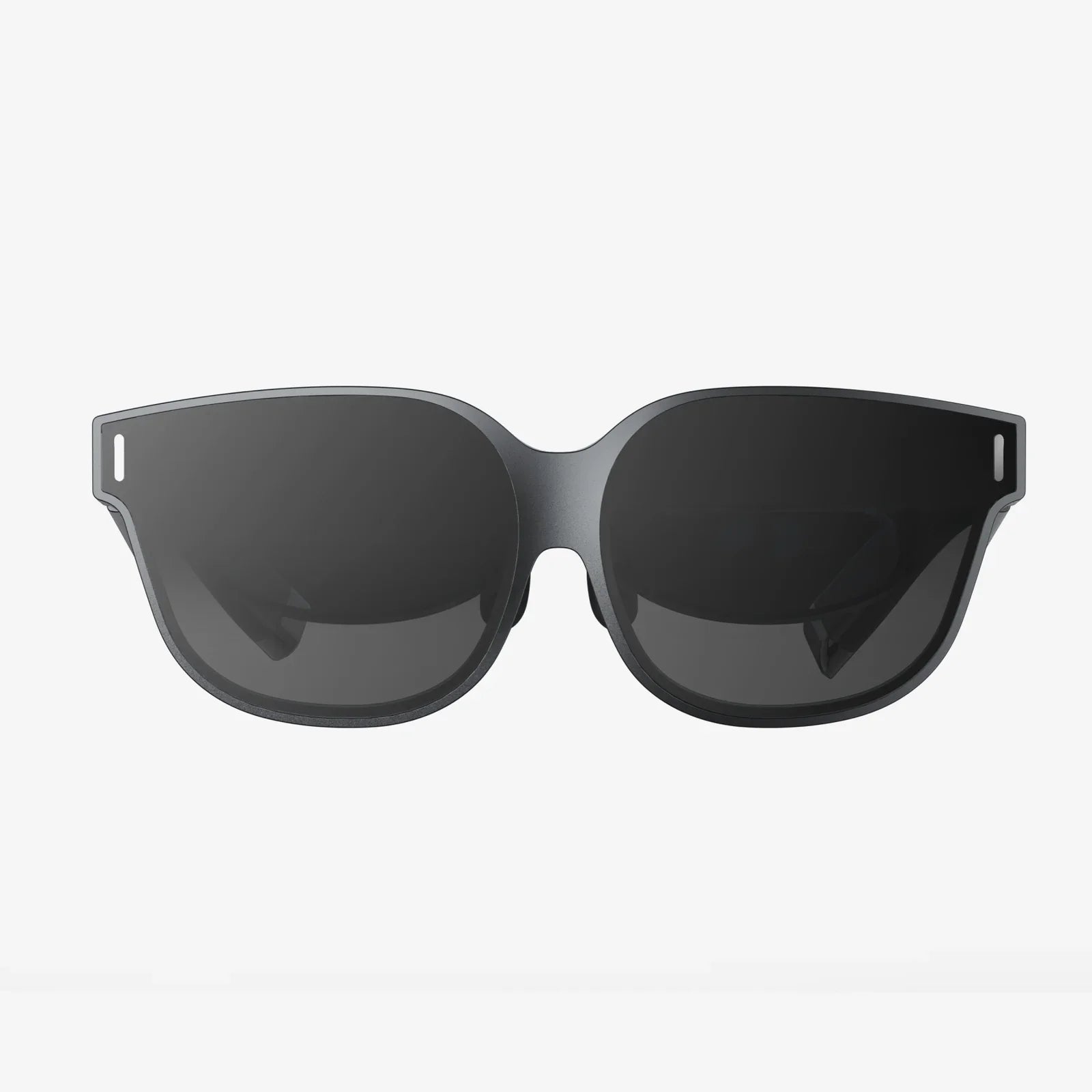
Imagine a world where the simple, daily frustration of switching between reading glasses, computer glasses, and distance glasses is a forgotten relic of the past. A world where your vision seamlessly adapts to your life, not the other way around. This is no longer the realm of science fiction. The dawn of automatically adjusting glasses is upon us, promising to fundamentally reshape our relationship with vision correction and offering a glimpse into a future where clarity is constant and effortless.
The Inconvenience of Static Vision and the Quest for a Solution
For billions of people worldwide, the experience of presbyopia—the age-related loss of near focus—is an inevitable reality. It begins subtly: holding a restaurant menu at arm's length, squinting at a smartphone screen, or struggling to thread a needle. The traditional solution is a progression of vision aids: bifocals, trifocals, or progressive lenses, each with their own compromises. These static lenses create distinct zones of vision, forcing the wearer to learn and accommodate the lens's design, often leading to awkward head tilts, eye strain, and a limited field of clear vision.
This fragmentation of vision is more than just an inconvenience; it's a constant interruption to the natural flow of life. It represents a technological standstill in an otherwise rapidly advancing world. While our phones, cars, and homes have become smarter and more adaptive, our primary tool for interacting with the world—our eyewear—has remained stubbornly passive. The question has long lingered: if a camera can autofocus in a fraction of a second, why can't our glasses?
How Do They Work? The Marvel of Engineering Behind Adaptive Lenses
The core principle behind automatically adjusting glasses is elegantly simple: replicate the natural autofocus mechanism of a youthful human eye. However, the engineering required to achieve this in a slim, wearable form factor is extraordinarily complex. While specific implementations vary, most cutting-edge designs rely on one of two fundamental principles: fluid-filled lenses or sophisticated electronic systems.
Fluid-Based Adaptive Lenses
One of the most prominent approaches takes inspiration from the human eye itself. These lenses are essentially sophisticated, miniaturized hydraulic systems. Each lens consists of a flexible membrane that forms the front of a small, transparent cell filled with a clear, optical-grade fluid. The magic happens when the shape of this membrane is altered. By subtly increasing or decreasing the volume of fluid within the cell, the curvature of the membrane changes. A steeper curvature provides more focusing power for near vision, while a flatter curvature is suited for distance. This change happens seamlessly and continuously, allowing the lens to focus at any distance, not just predetermined ones like traditional progressives.
Electronic Autofocus Systems
Another approach leverages the power of micro-electronics to create a truly smart vision system. These designs incorporate tiny, imperceptible sensors that continuously measure the distance between the glasses and the object the wearer is looking at. This data is fed to a miniature processor, which calculates the precise focal power required. The system then instructs an actuator to physically adjust the optical elements within the lens. Some concepts even experiment with liquid crystal technology, similar to that found in modern displays, which can change its refractive properties when a small electrical current is applied, shifting focus without any moving parts.
A World of Difference: The Tangible Benefits for the Wearer
The transition from static to dynamic vision correction is not a minor upgrade; it's a paradigm shift that unlocks a multitude of benefits that extend far beyond simple convenience.
Unprecedented Convenience and a Liberated Lifestyle
The most immediate impact is the sheer liberation from managing multiple pairs of glasses. Whether you're an architect moving from blueprints to a distant construction site, a chef checking a recipe and then looking up to oversee the kitchen, or a parent helping a child with homework while monitoring others across the room, the need to constantly swap eyewear vanishes. The glasses become a single, all-in-one tool that empowers a fluid and uninterrupted lifestyle.
Enhanced Visual Comfort and Reduced Eye Strain
By providing a continuous range of focus rather than distinct zones, automatically adjusting glasses work in harmony with the user's natural gaze. There is no more hunting for the "sweet spot" or dealing with the peripheral distortion common in progressive lenses. This significantly reduces the cognitive and physical load on the eyes and the brain, leading to less fatigue, fewer headaches, and greater comfort, especially during long hours of tasks that require frequent changes in viewing distance, like working on a computer.
A Catalyst for Safety and Activity
For active individuals, the implications are profound. Imagine cycling, running, or playing sports without the visual compromise of bifocals or the risk of losing a pair of reading glasses. The adaptive technology ensures optimal vision at all times, enhancing safety and performance. Furthermore, for tasks like driving, where vision can shift rapidly from the dashboard to the road ahead to side mirrors, a seamless adaptive response could provide a critical margin of safety that fixed lenses cannot.
Beyond Presbyopia: Broader Applications and Future Potential
While the initial driver for this technology is addressing age-related farsightedness, the potential applications are much wider. Researchers are exploring how similar principles could be used to help individuals with other refractive errors, such as myopia (nearsightedness) and astigmatism, potentially creating a universal platform for vision correction. There is also exciting work being done in the medical field, with potential applications for conditions like cataracts and certain types of vision impairment where the eye's natural focusing ability is compromised.
The Hurdles on the Horizon: Challenges to Widespread Adoption
Despite the exciting potential, the path to mainstream adoption is not without its obstacles. The primary challenge remains cost. The sophisticated micro-engineering, advanced materials, and complex manufacturing processes involved in creating these devices currently place them at a significant price premium compared to traditional eyewear. As with any nascent technology, economies of scale and advancements in production will be crucial to bringing costs down.
Other challenges include ensuring long-term durability and reliability. Consumers expect their eyewear to be tough and maintenance-free. Designing a complex electro-mechanical or fluid-based system that can withstand the rigors of daily life—being dropped, exposed to temperature extremes, and general wear and tear—is a significant engineering hurdle. Furthermore, the aesthetic design must evolve to accommodate the technology without compromising on style, weight, or comfort.
The Societal Impact: Democratizing Clear Vision
Perhaps the most profound long-term impact of automatically adjusting glasses could be on global eye health. In many developing regions of the world, access to optometrists and custom prescription glasses is severely limited. The concept of a single, universal pair of glasses that can be easily calibrated to an individual's core vision needs—or even self-adjust—presents a revolutionary tool for democratizing vision correction. It could pave the way for large-scale distribution of affordable, effective eyewear that can serve a wide population without the need for complex individual fittings and prescriptions, potentially improving the lives and productivity of millions.
The journey of automatically adjusting glasses from a futuristic concept to a tangible product on the shelves is a testament to human ingenuity. It represents a convergence of optics, material science, micro-engineering, and software, all focused on solving a universal human experience. They are not merely a new product but a gateway to a more seamless and integrated way of seeing and interacting with our environment. This technology promises to erase the boundaries between different visual tasks, giving us back the effortless sight we often take for granted in our youth. The future of vision is not just about seeing clearly; it's about seeing smartly, and that future is now coming into focus.
Share:
3 Facts About AI That Will Change How You See the Future
Image to Full Screen: The Ultimate Guide to Immersive Visual Experiences