


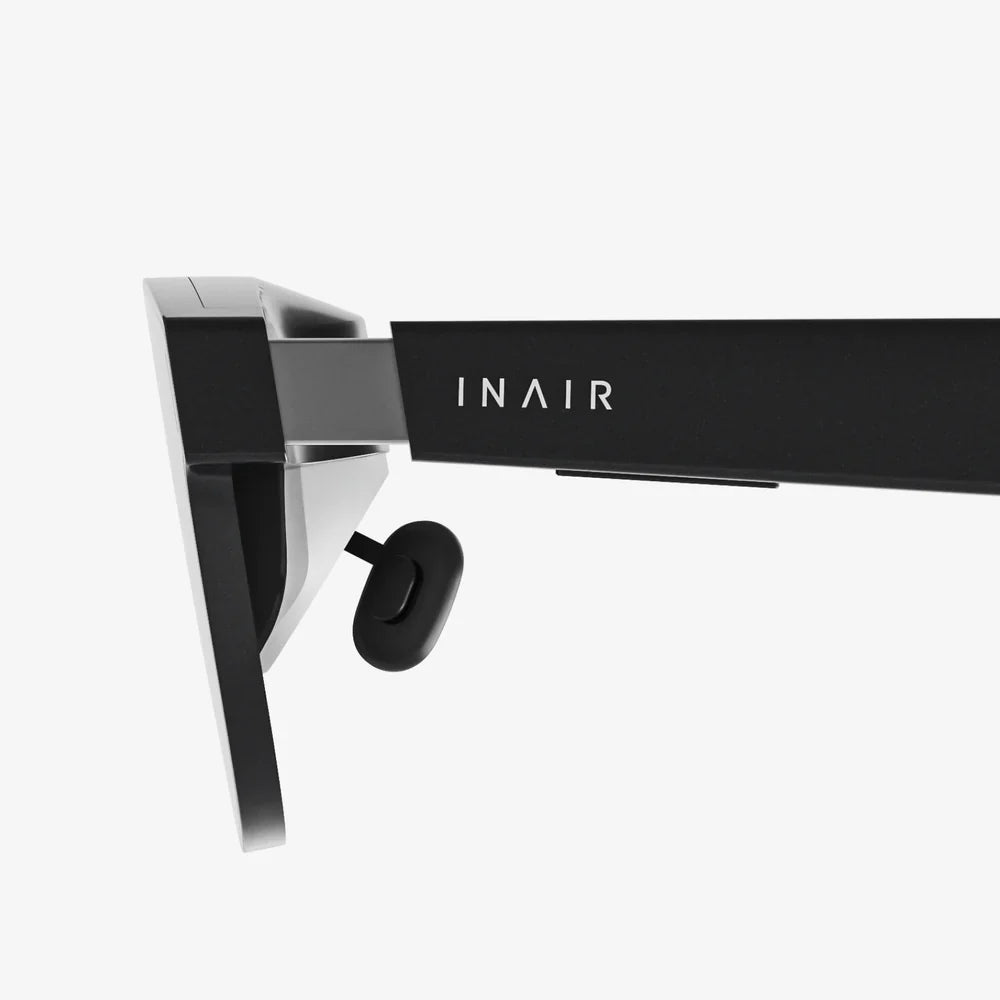
Imagine strapping on a headset and being instantly transported—not to a fantastical world of games, but to a serene beach that calms your chronic pain, a virtual classroom where you dissect a human heart with your own hands, or a reconstructed memory that helps you overcome a deep-seated phobia. This is the promise and the rapidly unfolding reality of virtual reality's beneficial effects, a technological leap that is fundamentally reshaping human experience, healing, and learning in ways once confined to science fiction.
Beyond the Hype: Defining the Therapeutic and Practical Shift
For decades, virtual reality (VR) was synonymous with immersive entertainment, a niche technology for gamers seeking deeper escapism. However, the true revolution lies in its application as a tool for enhancement, rehabilitation, and connection. At its core, VR's power stems from its ability to induce presence—the undeniable, psychological sensation of being in a place other than one's physical surroundings. This phenomenon, when harnessed intentionally, unlocks a vast array of beneficial effects. The brain, convinced by convincing audiovisual stimuli, reacts to virtual environments and scenarios as if they are authentically real. This neurological trick is the gateway to treating conditions, acquiring skills, and experiencing stories with unprecedented empathy and impact.
Revolutionizing Mental Health and Psychological Treatment
Perhaps the most well-documented and profound beneficial effects of virtual reality are found in the realm of mental health. VR provides a controlled, safe, and repeatable environment for exposure therapy, a cornerstone treatment for anxiety disorders, phobias, and post-traumatic stress disorder (PTSD).
Conquering Fear and Anxiety
Traditional exposure therapy relies on imagination or gradual real-world exposure to triggers, which can be logistically difficult, expensive, and emotionally overwhelming for patients. VR elegantly solves these problems. A patient with a fear of flying can practice going through security, sitting on a stationary plane, and eventually experiencing a full virtual takeoff and flight, all from the safety of their therapist's office. The therapist can precisely control the variables—turbulence, weather, duration—something impossible in the real world. Similarly, individuals with social anxiety can practice public speaking in front of a virtual audience that reacts in programmed ways, building confidence in a consequence-free space. Studies have consistently shown that the brain's fear responses elicited in VR are genuine, leading to effective desensitization and lasting therapeutic outcomes.
Addressing PTSD and Chronic Pain
For military veterans and others suffering from PTSD, VR enables a technique called virtual reality exposure therapy (VRET). Therapists can meticulously recreate traumatic scenarios in a controlled manner, allowing patients to process and confront their memories gradually, reducing the power of those memories over time. Furthermore, VR has emerged as a powerful non-pharmacological tool for pain management. By immersing patients in captivating, calming virtual worlds—such as a snowy landscape, a deep-sea dive, or a fractal art generator—VR effectively distracts the brain from processing pain signals. This has proven remarkably effective for burn victims during wound care, for women in labor, and for individuals managing chronic pain conditions, reducing reliance on opioid painkillers.
Transforming Medical Training and Surgical Proficiency
The beneficial effects of virtual reality extend to the training of the next generation of medical professionals, offering a paradigm shift from traditional learning methods.
Immersive Surgical Simulation
Medical students and seasoned surgeons alike are using VR simulations to practice complex procedures. These platforms provide a haptic-rich environment where a user can perform a virtual surgery, receiving instant feedback on technique, precision, and efficiency. Mistakes become valuable learning experiences without any risk to a patient. Trainees can repeat procedures countless times to build muscle memory and confidence. This is particularly valuable for rare or highly complex operations that a surgeon might not encounter frequently, ensuring they are prepared when the situation arises.
Enhanced Anatomical Education and Empathy Building
Instead of memorizing static images from a textbook, students can don a headset and step inside a photorealistic, scalable human body. They can walk through the chambers of a beating heart, examine the intricate structures of the brain from every angle, or watch the system-wide effects of a disease process unfold. This deep, spatial understanding of anatomy is unparalleled. Beyond technical knowledge, VR is also used to foster empathy among healthcare workers. Simulations that allow a medical student to experience the world from the perspective of an elderly patient with macular degeneration and hearing loss, or a patient with Alzheimer's disease, build a deeper understanding of patient experiences and needs.
Redefining the Classroom and Educational Paradigms
Education is another field being profoundly reshaped by the beneficial effects of virtual reality. It moves learning from a passive activity to an active, experiential journey.
Experiential and Immersive Learning
History students are no longer just reading about ancient Rome; they can take a virtual tour of the Colosseum, standing in the center of the arena as the crowd roars. Biology students can travel through the bloodstream, and astronomy students can navigate the solar system, dodging asteroids and witnessing the scale of the planets. This experiential learning boosts engagement, improves knowledge retention, and makes abstract concepts tangible. For students with different learning styles, particularly kinesthetic learners, VR offers a powerful alternative to traditional lectures and texts.
Skill Acquisition and Professional Training
Beyond academic subjects, VR is a potent tool for vocational training. Mechanics can practice repairing complex engine models, welders can hone their technique, and electricians can learn to navigate dangerous high-voltage scenarios—all without the cost of physical materials or the risk of injury. This safe-to-fail environment accelerates skill acquisition and ensures a higher level of competence before an individual enters a real-world worksite.
Enhancing Physical Rehabilitation and Motor Skills
Physical therapy is often repetitive and monotonous, which can lead to poor patient adherence. VR introduces an element of fun and engagement, turning arduous exercises into interactive games—a concept known as gamification.
Gamified Recovery and Neurological Therapy
Patients recovering from a stroke, spinal cord injury, or surgery are tasked with virtual games that require them to perform specific therapeutic movements. Reaching for virtual fruit, navigating a ball through a maze, or deflecting incoming projectories motivates patients to complete more repetitions than they would in a traditional setting, directly translating to better outcomes. For neurological conditions, these targeted movements help the brain forge new neural pathways, aiding in recovery of motor function. The precise data capture of movement range, speed, and accuracy also allows therapists to track progress with objective metrics and tailor programs more effectively.
Fostering Social Connection and Overcoming Barriers
In an increasingly digital world, VR offers a new form of social interaction that transcends the limitations of video calls.
Virtual Collaboration and Remote Work
Teams spread across the globe can meet in a shared virtual boardroom, interacting with 3D models of products, brainstorming on virtual whiteboards, and feeling a sense of co-presence that flat screens cannot provide. This has significant implications for remote work, design collaboration, and architecture, allowing stakeholders to walk through a building design long before ground is broken.
Empathy and Perspective-Taking
Journalists and documentarians are using VR to create immersive experiences that foster global empathy. Instead of watching a news report about a refugee crisis, individuals can experience a day in a refugee camp, creating a powerful emotional connection to distant issues. These experiences have proven effective in breaking down biases and building a greater sense of shared humanity.
Navigating the Challenges and Ethical Considerations
While the beneficial effects are immense, the path forward is not without its challenges. Issues of accessibility and cost remain significant barriers to widespread adoption. High-quality hardware and software can be expensive, potentially creating a divide between those who can benefit from these tools and those who cannot. Furthermore, concerns about data privacy, psychological safety, and the long-term effects of prolonged immersion in virtual environments require careful ongoing study and robust ethical frameworks. The potential for misuse or addiction also necessitates responsible development and usage guidelines.
The journey into virtual reality is no longer about escaping our world, but about profoundly enriching it. From the therapist's office to the surgical ward, from the classroom to the living room, VR is dismantling barriers to healing, learning, and human connection. It is a tool that offers not just a glimpse into alternate realities, but a powerful means to enhance our own, promising a future where our physical and digital selves merge to unlock previously unimaginable levels of human potential and well-being.
Share:
3D Video Projection Mapping Software: The Ultimate Guide to Transforming Reality
Best Future Technology: A Glimpse into the Next Decade of Innovation