


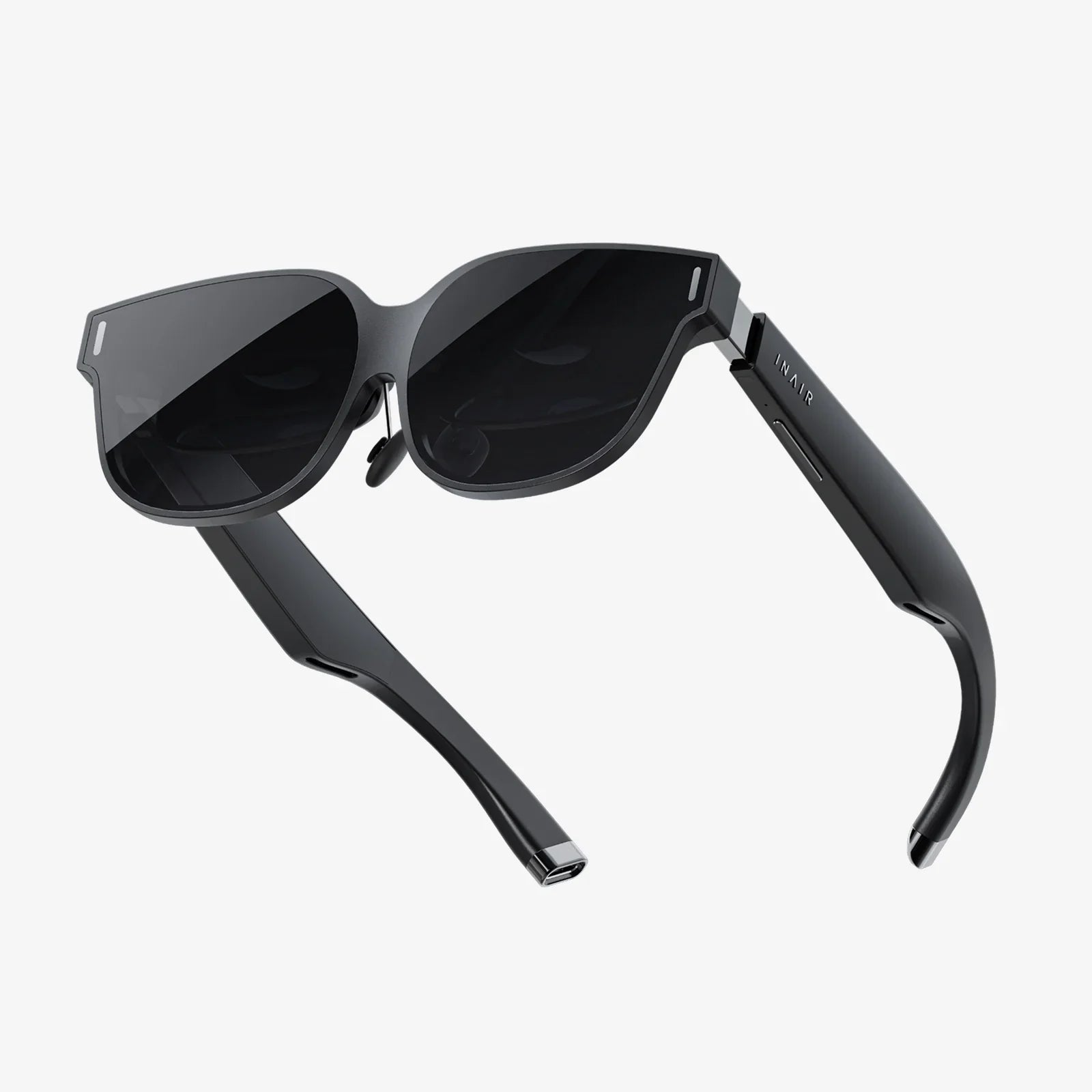
Imagine a world where digital information doesn’t just live on a screen but is woven seamlessly into the fabric of your physical reality. This is no longer the stuff of science fiction; it’s the burgeoning present, thanks to the rapid advancement of augmented reality (AR). Unlike its fully immersive cousin, virtual reality, which transports you to a completely digital environment, AR enhances your real-world surroundings by overlaying digital content—images, data, 3D models, and instructions—onto what you see. This powerful convergence of the physical and digital realms is unlocking a new dimension of human-computer interaction, offering a staggering array of benefits that are poised to transform nearly every aspect of our lives, from how we learn and work to how we shop and receive healthcare.
Demystifying the Technology: How Augmented Reality Works
Before delving into its extensive benefits, it's crucial to understand the mechanics behind the magic. At its core, AR is a technology that superimposes a computer-generated image or information onto a user's view of the real world. This is typically achieved through a device, which can range from sophisticated smart glasses and headsets to the ubiquitous smartphone or tablet camera. The device uses a complex combination of sensors, cameras, and algorithms to perform several key functions in real-time:
- Scene Capture: The device's camera captures the live video feed of the user's environment.
- Tracking and Registration: Using sensors like gyroscopes, accelerometers, and GPS, the device understands its position, orientation, and movement in space. Advanced computer vision techniques, including SLAM (Simultaneous Localization and Mapping), allow it to map the environment and identify surfaces, objects, and points of interest.
- Processing and Rendering: The AR software processes the captured data and determines what digital content to display and precisely where to anchor it in the physical world.
- Display: The composite view—a blend of the real-world video feed and the perfectly aligned digital content—is then displayed to the user on their screen or through their optical headset.
This seamless integration is what makes AR so powerful; the digital information feels like a natural part of the environment, providing context and insight that was previously inaccessible.
Revolutionizing Education and Training: Learning by Doing
One of the most profound benefits of augmented reality lies in its ability to transform pedagogical approaches. It moves learning beyond static textbooks and two-dimensional screens into an interactive, experiential, and deeply engaging process.
In classrooms, AR can bring abstract concepts to life. Imagine a history lesson where students can point their device at a textbook image of the Roman Colosseum and watch a complete, animated 3D model spring forth, with gladiators battling as a narrator explains its history. Biology students can explore a detailed, interactive human heart, watching it beat and understanding blood flow by walking around the hologram. This visual and interactive learning significantly enhances comprehension and retention, catering to various learning styles.
Beyond K-12 and higher education, AR is a game-changer for professional training and skill development. In fields like medicine, medical students can practice complex surgical procedures on detailed, virtual patients, receiving real-time feedback without any risk. Mechanics-in-training can see step-by-step repair instructions overlaid directly onto the engine they are working on, highlighting which bolt to turn next. This "see-what-I-see" capability is also revolutionizing remote mentoring, where an expert can guide a novice through a complex task by drawing annotations and instructions into their field of view from thousands of miles away.
Transforming Healthcare: From Diagnosis to Surgery
The healthcare sector is experiencing a paradigm shift driven by AR's precision and visualization capabilities. The benefits here are not just about efficiency; they are about saving lives and improving patient outcomes.
For medical professionals, AR provides an unparalleled window into the human body. During surgical planning, a surgeon can study a patient's unique anatomy by overlaying a 3D reconstruction from CT or MRI scans directly onto the patient's body, providing a precise roadmap for the procedure. In the operating room, this same technology can project critical information, such as the location of tumors or major blood vessels, onto the surgical site, allowing for more accurate and less invasive operations. This reduces surgery time, minimizes risks, and leads to faster patient recovery.
Furthermore, AR is revolutionizing patient care and medical training. It can assist in complex procedures like vein detection, making it easier to locate veins for injections, especially in children and elderly patients. For physical therapy, AR apps can guide patients through rehabilitation exercises with proper form, turning a mundane routine into an engaging game that improves adherence. It also serves as a powerful tool for patient education, helping doctors explain complex conditions and treatment plans through interactive 3D visualizations, thereby reducing patient anxiety and improving informed consent.
Reshaping Retail and E-Commerce: Try Before You Buy
The retail landscape is being radically redefined by augmented reality, which is effectively bridging the gap between the convenience of online shopping and the confidence of an in-store experience. The primary benefit for consumers is a massive reduction in purchase uncertainty.
In the home goods and interior design space, customers can use their smartphones to see how a new sofa, lamp, or even a fresh coat of paint would look in their actual living room, scaled to size and in real-time lighting. This eliminates the guesswork and the disappointment of items not fitting or matching the existing decor. The fashion and beauty industries are leveraging AR for virtual try-ons. Shoppers can "try" glasses, makeup, and clothing from the comfort of their homes, seeing how they look from every angle before committing to a purchase.
For brick-and-mortar stores, AR enhances the in-store experience. Shoppers can point their phone at a product to access additional information, see related items, or view demonstration videos. This not only empowers consumers with more knowledge but also drives sales and reduces return rates, creating a win-win scenario for both retailers and customers.
Enhancing Industrial and Manufacturing Efficiency
In industrial settings, the benefits of augmented reality are measured in increased efficiency, reduced errors, and enhanced safety. AR is becoming an indispensable tool on factory floors, in warehouses, and at remote job sites.
Technicians performing maintenance or assembly can wear AR glasses that project schematics, torque specifications, and animated instructions directly onto the machinery they are servicing. This hands-free access to information eliminates the need to constantly consult paper manuals or computer screens, drastically speeding up processes and minimizing mistakes. For quality control, AR can overlay the digital blueprint of a part onto the physical object being inspected, instantly highlighting any deviations or defects that are invisible to the naked eye.
In logistics and warehousing, AR smart glasses can guide warehouse workers along the most efficient pick-and-pack routes, displaying exactly which items to grab and where to place them, thereby optimizing fulfillment operations. Furthermore, AR can be used for safety training, simulating hazardous scenarios in a controlled environment to prepare workers for real-world situations without any actual risk.
Empowering Remote Collaboration and Connectivity
The global shift towards remote and hybrid work models has highlighted the limitations of traditional video conferencing. Augmented reality offers a far more immersive and effective solution for remote collaboration, making distance virtually irrelevant.
With AR, remote experts can provide support to field technicians not just through voice or video, but by literally drawing into their field of view. An expert in another country can see what the local technician sees through their AR glasses and can annotate the real world with arrows, circles, and notes to guide them through a repair. This "visual remote assistance" ensures that complex knowledge is transferred instantly and accurately, reducing downtime and travel costs.
This technology also enables new forms of shared experiences. Architects and engineers in different locations can collaborate around a interactive 3D model of a building project, discussing and making changes as if they were in the same room. This shared spatial understanding fosters more creative and effective teamwork than a flat screen ever could.
Navigating the World with Contextual Information
Augmented reality is turning our entire environment into an interactive, information-rich interface. Navigation is one of the clearest examples of this benefit. Instead of looking down at a 2D map on a phone screen, AR navigation apps overlay directional arrows, street names, and points of interest directly onto the live view of the street in front of you through your camera. This makes navigating complex intersections or finding a specific shop entrance in a crowded city intuitive and effortless.
This contextual layer extends to tourism and cultural experiences. Tourists can point their devices at a monument, museum exhibit, or even a restaurant to instantly access historical facts, reviews, or translations. AR can resurrect historical events at the very locations they occurred or provide informational overlays about the stars and constellations when pointed at the night sky, transforming a simple walk into an educational adventure.
Addressing Challenges and Looking to the Future
Despite its immense potential, the widespread adoption of augmented reality is not without challenges. Concerns regarding user privacy, data security, and the potential for digital spam cluttering our physical world are significant. The social implications of wearing always-on cameras and displays also need careful consideration. Furthermore, the technology itself must continue to advance, becoming more affordable, with longer battery life, more comfortable form factors, and even more seamless tracking before it can become a true mainstream utility.
However, the trajectory is clear. As 5G connectivity reduces latency and cloud computing power grows, AR experiences will become richer and more responsive. The eventual development of stylish, socially acceptable AR glasses could make the technology as ubiquitous as the smartphone is today. The future may see AR integrating with other emerging technologies like AI and the Internet of Things (IoT), allowing us to see and interact with the data flowing from the smart devices around us, from energy usage in our homes to the status of public transportation.
The journey of augmented reality is just beginning, and its full potential is limited only by our imagination. It promises a future where technology doesn't separate us from the world but enhances our connection to it, making us more informed, efficient, and capable than ever before. The line between the digital and the physical is blurring, and through that haze, we are glimpsing a new, augmented way of being.
This isn't just a new feature for your phone; it's a fundamental shift in how we perceive and interact with reality itself, offering a glimpse into a future where every task is simpler, every lesson is an adventure, and the world around you is alive with hidden knowledge, waiting to be unlocked with just a glance.
Share:
How Augmented Reality is Created: The Digital Alchemy Blending Worlds
Augmented Reality News 2025: The Year the Digital and Physical Worlds Finally Merged