


Imagine a world where a surgeon in London can guide a complex procedure in Mumbai using nothing but digital overlays and precise hand gestures, where a history student doesn't just read about ancient Rome but walks its bustling streets, and where a factory worker can troubleshoot a million-dollar machine with a virtual manual superimposed onto the real equipment. This is not a distant science fiction fantasy; it is the rapidly emerging present, powered by the profound and multifaceted benefits of Extended Reality. XR is the umbrella term encompassing Virtual Reality (VR), Augmented Reality (AR), and Mixed Reality (MR), and its potential to revolutionize nearly every facet of human endeavor is nothing short of breathtaking. The convergence of the digital and physical worlds promises not just incremental improvements but fundamental shifts in how we learn, work, heal, and connect.
Demystifying the Extended Reality Spectrum
Before delving into the specific advantages, it is crucial to understand the distinct layers of the XR spectrum. While often used interchangeably, VR, AR, and MR offer different experiences and, consequently, different benefits.
Virtual Reality (VR) is the most immersive of the three, completely replacing the user's visual and auditory reality with a simulated, digital environment. Using a head-mounted display (HMD), users are transported into a computer-generated world, isolated from their physical surroundings. The primary benefit here is total immersion, making it ideal for applications requiring complete focus and a controlled environment, such as complex surgical simulations or deep experiential learning.
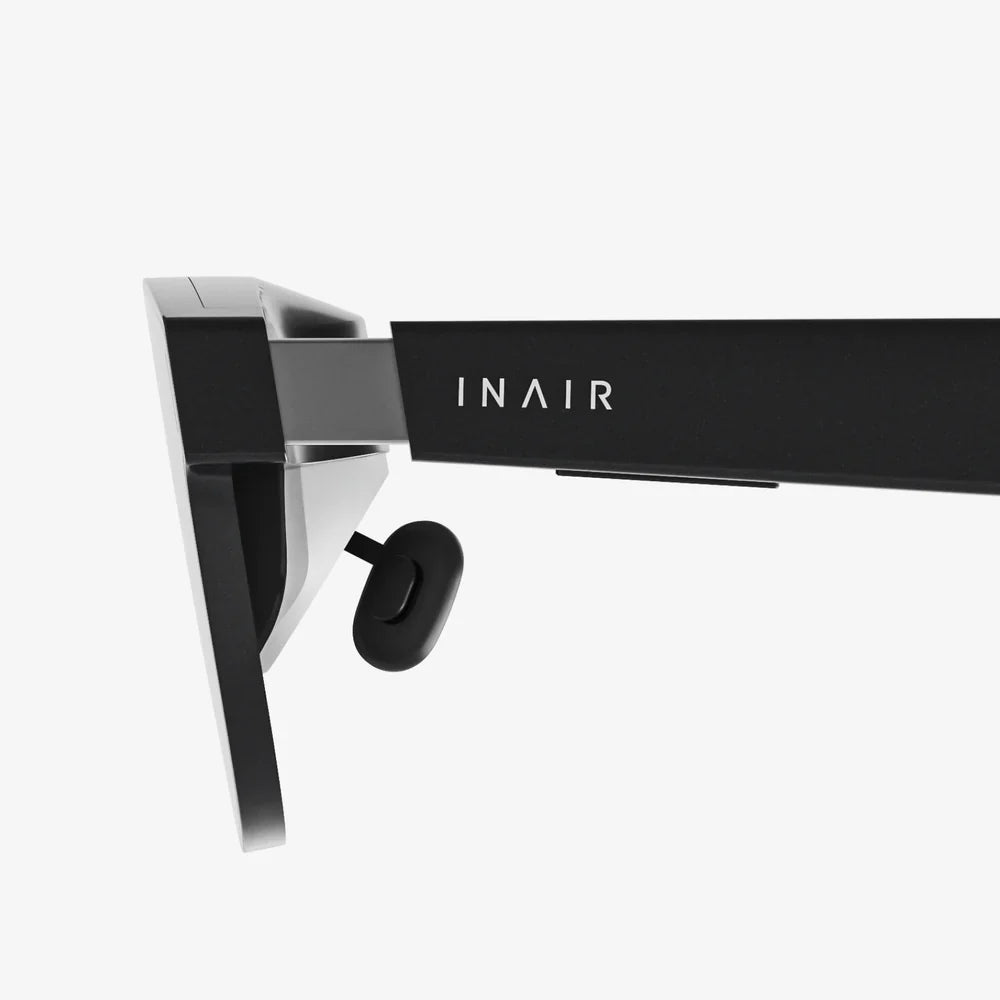
Augmented Reality (AR) overlays digital information—images, text, 3D models—onto the user's view of the real world. Unlike VR, it does not replace reality but enhances it. This is most commonly experienced through smartphone screens or smart glasses. AR's strength lies in its ability to provide contextual information exactly where and when it is needed, such as navigation arrows on a city street or assembly instructions for a piece of furniture.
Mixed Reality (MR) is the most advanced and interactive blend, where digital objects are not just overlaid but anchored to and interact with the physical world in real-time. A user can walk around a holographic engine model, and it will remain locked in place, or they can use their hands to manipulate a virtual control panel. MR represents the seamless fusion of reality and digital content, creating environments where both can coexist and interact.
Revolutionizing Education and Training
Perhaps the most widely recognized benefits of XR lie in the realm of education and professional training. It moves learning from a passive, theoretical exercise to an active, experiential one.
Experiential and Immersive Learning
Textbooks and lectures have their place, but they cannot replicate the depth of understanding that comes from experience. XR allows students to embark on virtual field trips to the bottom of the ocean, the surface of Mars, or the heart of a human cell. History becomes a lived experience as students explore digitally reconstructed ancient civilizations. This immersive form of learning significantly improves knowledge retention and engagement by appealing to multiple senses and creating memorable experiences.
Skill Development and Safe Simulation
For high-stakes professions, the cost of failure during training is prohibitively high. XR provides a zero-risk environment to practice and fail safely. Surgeons can rehearse intricate procedures on virtual patients, allowing them to hone their skills and develop new techniques without ever touching a scalpel. Aircraft mechanics can practice disassembling and repairing complex jet engines without the risk of causing millions in damage or compromising safety. This "see one, simulate one, do one" model drastically reduces training times, lowers costs associated with physical training materials, and ultimately creates a more skilled and confident workforce.
Fostering Empathy and Soft Skills
XR's power extends beyond technical skills into the realm of human connection. Empathy-building simulations can place a user in the shoes of someone with a visual or auditory impairment, fostering a deeper understanding of their daily challenges. Similarly, MR can be used for advanced communication and leadership training, simulating difficult conversations with employees or high-pressure crisis management scenarios, allowing individuals to practice and refine their soft skills in a realistic yet consequence-free setting.
Transforming Healthcare and Therapy
The healthcare industry stands to gain immensely from the adoption of XR technologies, benefiting practitioners and patients alike.
Enhanced Medical Visualization and Surgical Planning
Surgeons are using AR and MR to gain X-ray vision. By overlaying CT scans or MRI data directly onto a patient's body during surgery, they can see precisely where to make an incision or locate a tumor, improving accuracy and reducing operative times. For pre-operative planning, VR allows surgical teams to collaboratively explore a patient's unique anatomy in 3D before entering the operating room, leading to better-prepared teams and improved patient outcomes.
Innovative Therapeutic Applications
XR is proving to be a powerful tool in mental health treatment. Exposure therapy for phobias and post-traumatic stress disorder (PTSD) can be conducted in a carefully controlled VR environment, allowing therapists to gradually expose patients to their triggers while ensuring their safety. For pain management, immersive VR experiences have been shown to effectively distract patients from acute and chronic pain, reducing the reliance on pharmacological painkillers. Furthermore, MR is being used in physical rehabilitation, turning repetitive exercises into engaging games that motivate patients to complete their therapy regimens.
Remote Assistance and Telemedicine
AR enables remote expert assistance like never before. A specialist located across the globe can see what a local medic sees through smart glasses and provide real-time guidance, annotating the live video feed with arrows, notes, and diagrams. This democratizes access to expert knowledge, bringing specialized care to rural areas, disaster zones, and field medicine.
Driving Efficiency and Innovation in Enterprise and Manufacturing
On the factory floor and in corporate boardrooms, XR is a catalyst for unprecedented efficiency, safety, and innovation.
Design, Prototyping, and Collaboration
The design process is being revolutionized. Instead of building expensive physical prototypes, automotive and aerospace engineers can design and interact with life-size 3D models in a virtual space. They can test ergonomics, identify design flaws, and make changes instantly, saving vast amounts of time and resources. Furthermore, MR enables global teams to collaborate on the same holographic model as if they were in the same room, breaking down geographical barriers and streamlining the development cycle.
Enhanced Operational Procedures
AR is the ultimate just-in-time information system for complex tasks. Warehouse workers can have the most efficient picking route displayed in their field of view, along with images of the exact items they need. Field service technicians can access interactive repair manuals overlaid on the malfunctioning equipment, showing them the exact part to replace and the tools to use. This reduces errors, slashes training time for new employees, and dramatically increases overall operational efficiency.
Improving Workplace Safety
Safety training in VR allows employees to experience dangerous situations—like a fire on an oil rig or a hazardous chemical spill—in a completely safe environment. They can learn emergency protocols and practice their response without any real-world risk. This leads to better-prepared employees and a stronger safety culture within the organization.
Reshaping Retail, Marketing, and Remote Work
The consumer and business-to-business landscapes are being reshaped by XR's ability to bridge the gap between imagination and reality.
Try-Before-You-Buy and Personalized Shopping
AR is solving one of online shopping's biggest drawbacks: the inability to try products. Customers can use their smartphones to see how a new sofa would look in their living room, how a pair of glasses fits their face, or how a new shade of paint would transform a wall. This reduces purchase anxiety and product return rates while creating a fun, engaging, and highly personalized shopping experience that drives sales and brand loyalty.
The Future of Remote Collaboration
While video conferencing kept businesses running, it lacks the nuance and presence of in-person interaction. XR, particularly MR and VR, promises the next evolution of remote work: the virtual office. Colleagues from around the world can meet as lifelike avatars in a shared virtual space, interacting with 3D data, whiteboards, and prototypes as naturally as if they were physically present. This fosters a stronger sense of team cohesion and enables a level of collaborative work that flat screens cannot provide.
Navigating the Challenges and Looking Ahead
Despite its immense potential, the widespread adoption of XR is not without challenges. Issues of data privacy, digital security, and the potential for physiological effects like cybersickness must be addressed. The digital divide is also a concern, as unequal access to this technology could exacerbate existing social and economic inequalities. Furthermore, establishing ethical guidelines for its use, particularly in areas like data collection and psychological manipulation, will be crucial for building public trust.
However, the trajectory is clear. As the technology becomes more affordable, comfortable, and powerful, and as 5G and future networks provide the necessary bandwidth for seamless experiences, XR will move from a niche novelty to a ubiquitous platform. We are moving towards a future where the boundaries between atoms and bits will blur into irrelevance, creating a world rich with information, enhanced by digital layers, and limited only by our imagination.
The door to a new layer of reality is now open, offering a glimpse into a future where our interactions with technology are more intuitive, our understanding of complex concepts is deeper, and our connection to both information and each other is fundamentally transformed. The question is no longer if these technologies will reshape our world, but how quickly we will adapt to harness their extraordinary potential for progress, connection, and human advancement.
Share:
What Is The Average Price Of A VR Headset - A Complete 2024 Buyer's Guide
What Is The Average Price Of A VR Headset - A Complete 2024 Buyer's Guide