


- by wangfred
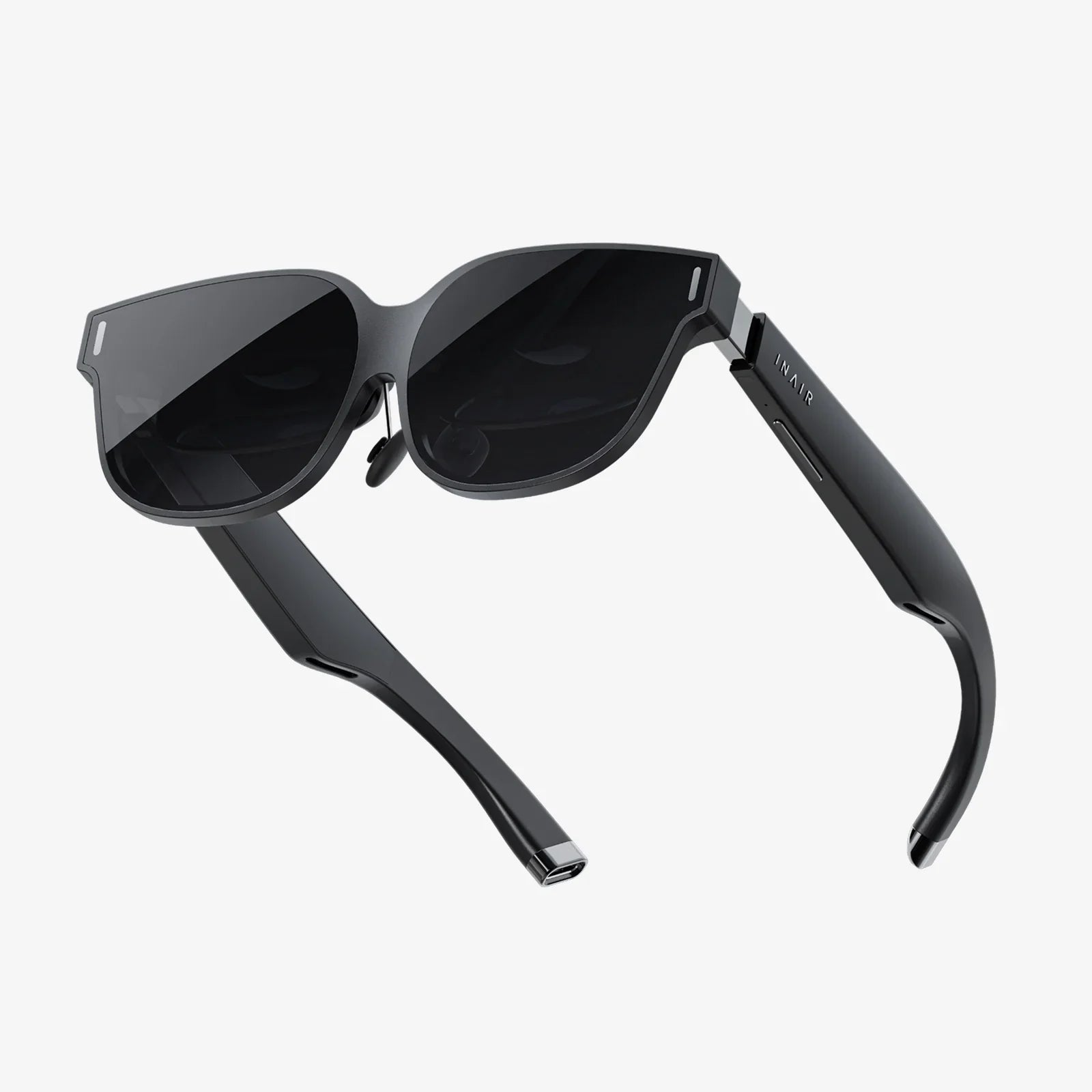
Benefits of Mobile and Wearable Devices: A Deep Dive into the Connected Life
- by wangfred
In a world that thrives on instant connection and real-time information, the silent hum of a smartphone in a pocket or the gentle glow of a fitness tracker on a wrist has become the ubiquitous soundtrack to modern life. These devices, once considered luxury novelties, have woven themselves so intricately into the fabric of our daily existence that imagining a day without them feels like a journey to a distant, analog past. But beyond the convenience of having a world of knowledge and communication at our fingertips, what is the true, transformative value of this technological revolution? The benefits of mobile and wearable devices extend far beyond mere convenience, fundamentally reshaping our health, our work, our safety, and our understanding of the world around us.
Perhaps the most profound impact of wearable technology has been in the realm of personal health and wellness. For generations, healthcare was largely reactive—individuals would visit a medical professional only after noticing symptoms of illness. Mobile and wearable devices have spearheaded a paradigm shift towards proactive and preventative health management, empowering individuals with unprecedented insights into their own bodies.
Modern wearables are equipped with a suite of sophisticated sensors capable of tracking a vast array of physiological data. This includes:
This constant stream of data transforms abstract health concepts into concrete, manageable metrics. It fosters a sense of ownership and accountability for one's well-being. For individuals with chronic conditions like diabetes or hypertension, connected devices can sync with mobile applications to log blood sugar levels or blood pressure readings, creating comprehensive logs to share with healthcare providers for more informed treatment plans. This creates a powerful feedback loop where data leads to awareness, which in turn inspires positive behavioral change, ultimately reducing the risk of long-term health issues and promoting a higher quality of life.
The office is no longer a physical location confined by four walls and a nine-to-five schedule. The proliferation of mobile devices has been the single greatest catalyst for the remote work revolution, fundamentally altering our concept of productivity and professional life.
The ability to access emails, documents, project management tools, and communication platforms from anywhere has untethered work from a specific desk. Cloud storage ensures that a crucial presentation is as accessible from a home office as it is from a café or an airport lounge. Video conferencing applications on smartphones and tablets have made face-to-face meetings possible across continents, saving immense time and resources previously dedicated to travel.
For professionals on the go, these devices are indispensable organizational hubs. Calendar alerts, reminder notifications, and digital note-taking applications ensure that deadlines are met and ideas are captured instantly. The convenience of scanning a document with a device's camera or digitally signing a contract eliminates tedious steps and accelerates workflows.
Furthermore, wearable devices add a discreet layer to this productivity boost. Notifications for important calls or messages can be delivered through a gentle wrist vibration, allowing users to stay informed without the constant, disruptive need to check a phone. This is particularly valuable in meetings or social settings where pulling out a phone would be considered rude. For individuals in fields like logistics, manufacturing, or healthcare, wearable devices can provide hands-free access to information, checklists, and instructions, streamlining complex tasks and improving accuracy.
The most celebrated benefit of the mobile device is its role as a gateway to the sum of human knowledge and a tool for global connection. The internet, once anchored to a desktop computer, is now a persistent, portable companion.
This instant access to information has democratized learning and problem-solving. A curious mind can identify a unknown plant species during a hike, learn to fix a leaky faucet via a video tutorial, or delve into academic research on any topic imaginable within seconds. This empowers individuals to become lifelong learners and more self-sufficient problem-solvers.
Socially, these devices have redefined how we maintain relationships. They allow for continuous connection with friends and family regardless of geographical distance. Photo and video sharing create shared experiences in near real-time, while messaging and video calls help sustain deep, meaningful relationships across time zones. For many, this constant connection is a vital lifeline, combating isolation and fostering a sense of community and belonging.
This connectivity also enhances personal safety. GPS navigation has all but eliminated the anxiety of being lost in an unfamiliar place. In emergencies, a mobile device is a critical tool for summoning help, sharing one's location, and accessing crucial information. Features like emergency SOS on wearables can automatically detect falls and contact emergency services, providing an added layer of security, particularly for elderly users or those with medical conditions.
The integration of mobile devices into daily routines has streamlined countless mundane tasks, creating a more efficient and often more economical lifestyle. Mobile banking applications have transformed financial management, allowing users to check balances, transfer funds, deposit checks, and pay bills from anywhere. This not only saves time but also promotes better financial awareness and control.
The rise of digital wallets and contactless payments has made transactions faster and more secure. A smartphone or smartwatch can now replace a physical wallet for purchases in most stores, reducing the need to carry cash and cards. For budgeting, a plethora of applications can sync with bank accounts to categorize spending, track subscriptions, and provide detailed reports on financial habits, making it easier to set and achieve savings goals.
Beyond finance, these devices serve as universal remote controls for our lives. They can adjust the thermostat at home, turn off lights, queue up a playlist on a home speaker system, or provide real-time traffic updates for the morning commute. This integration into the Internet of Things (IoT) creates a seamless, responsive living environment that conserves energy, saves time, and reduces daily friction.
The safety benefits of carrying a connected device are immense and multifaceted. As mentioned, the ability to call for help in any situation is paramount. However, modern devices offer advanced features that go far beyond a simple phone call.
Location sharing allows family members to see each other's whereabouts (with permission), providing reassurance when a loved one is traveling alone, commuting late, or on a first date. Wearable devices designed for children offer parents a way to stay in contact and monitor location, offering peace of mind in crowded public spaces.
For personal security, devices can be equipped with applications that send emergency alerts to designated contacts, complete with location data, at the press of a button. Some can even activate the device's camera to record video or audio of a threatening situation.
Furthermore, the data collected by health-focused wearables contributes to long-term security. Historical health data can be invaluable for doctors diagnosing a condition, providing a timeline of changes that would otherwise be based on patient memory alone. For the elderly or those living alone, activity monitoring can alert family members if no movement is detected for an unusual period, potentially indicating a fall or medical emergency.
While the benefits are undeniable, it is crucial to acknowledge that this powerful technology requires mindful usage to avoid potential downsides. The constant connectivity can lead to information overload, digital distraction, and the blurring of boundaries between work and personal life. The pressure to meet activity goals can, for some, lead to unhealthy obsessive behaviors.
The key to harnessing the benefits while mitigating the risks lies in intentional use. This means leveraging the notification and "Do Not Disturb" settings to create tech-free periods, ensuring devices are tools that serve us rather than masters that demand our constant attention. It involves critically evaluating the data from wearables as helpful guidance, not an absolute verdict on one's health or worth. Privacy is another essential consideration; users must be proactive in understanding what data their devices collect and how it is used and protected.
Ultimately, the goal is to achieve a symbiotic relationship with our technology—one where we control the devices, not the other way around. By setting clear boundaries and using these tools with purpose, we can fully embrace their incredible potential to enhance our health, enrich our minds, strengthen our connections, and simplify our daily routines without sacrificing our presence in the physical world around us.
The true power of the device on your wrist or in your pocket isn't just in its silicon and sensors; it's in the informed choices you make every day to leverage its capabilities for a healthier, safer, and more connected existence. The data is there, the tools are in your hands—the next step in your personalized journey of improvement is just a tap away, waiting to transform intention into actionable, life-changing insight.