Imagine a workplace where your watch not only tells the time but also warns you of rising stress levels before a critical meeting, where your safety vest alerts a supervisor the moment you take a hard fall in a remote warehouse, and where your daily productivity is seamlessly optimized by data you can actually see and feel. This is no longer the realm of science fiction; it is the rapidly evolving reality powered by wearable technology, and it’s transforming the very fabric of how we work, collaborate, and stay safe. The integration of these intelligent devices is moving beyond the consumer fitness tracker to become a cornerstone of the modern, data-driven, and human-centric enterprise.
The rise of wearables in the professional sphere is a natural evolution in our relationship with technology. We have progressed from stationary desktop computers to laptops that offered mobility, to smartphones that put a world of information in our pockets. Wearables represent the next logical step: technology that integrates directly into our personal space, becoming an unobtrusive yet powerful extension of our capabilities. This shift is fueling a revolution in enterprise technology, moving from tools we use to tools we wear, creating a continuous feedback loop between the employee and the organization.
Enhancing Employee Health, Safety, and Well-being
Perhaps the most significant and immediate impact of wearables is in the critical area of employee health and safety, particularly in high-risk industries like construction, manufacturing, logistics, and oil and gas.
Proactive Safety Monitoring in High-Risk Environments
For employees working in potentially dangerous conditions, wearables act as a digital guardian angel. Devices equipped with sensors can monitor a worker's immediate environment and physical state in real-time.
-
Fall Detection and Man-Down Alerts: Wearables with accelerometers and gyroscopes can instantly detect a sudden fall or a lack of movement, automatically sending alerts with precise GPS location to emergency responders and supervisors. This can drastically reduce response times in life-threatening situations, especially for lone workers.
-
Environmental Hazard Detection: Specialized wearables can monitor exposure to toxic gases, extreme temperatures, or high levels of noise. They provide immediate vibrational or auditory alarms to the worker, prompting them to evacuate the area, while simultaneously notifying safety officers to prevent a wider incident.
-
Proximity Alerts for Machinery: For those working near heavy machinery like cranes or forklifts, wearable tags can create a geofence and vibrate to warn both the pedestrian and the equipment operator if they enter a dangerous zone, preventing catastrophic accidents.
Promoting Long-Term Health and Preventing Burnout
Beyond physical safety, wearables are powerful tools for fostering long-term health and preventing the pervasive issue of workplace burnout across all sectors.
-
Stress and Fatigue Management: Devices that track heart rate variability (HRV) and skin temperature can provide insightful data on an employee's stress levels and overall readiness for work. An app can suggest a short breathing exercise or a walk if stress is detected to be elevated, helping to manage reactions in real-time.
-
Encouraging Movement and Ergonomic Health: Sedentary desk jobs are a major contributor to long-term health problems. Wearables can remind employees to stand up, move around, or perform simple stretches at regular intervals. Some advanced devices can even analyze posture and provide haptic feedback to encourage better ergonomics, reducing the risk of musculoskeletal disorders.
-
Sleep and Recovery Insights: By tracking sleep patterns, wearables provide employees with data to understand their recovery quality. A company can use anonymized, aggregate data to identify if organizational factors (like consistent late-night work emails) are negatively impacting overall employee rest, allowing for cultural changes that support well-being.
Driving Operational Efficiency and Productivity
The second major frontier for workplace wearables is in supercharging operational efficiency. By providing hands-free access to information and automating mundane tasks, these devices unlock new levels of productivity.
Hands-Free Operation and Augmented Reality
In fields like logistics, maintenance, and healthcare, the ability to work without being tethered to a clipboard, tablet, or desktop computer is a game-changer.
-
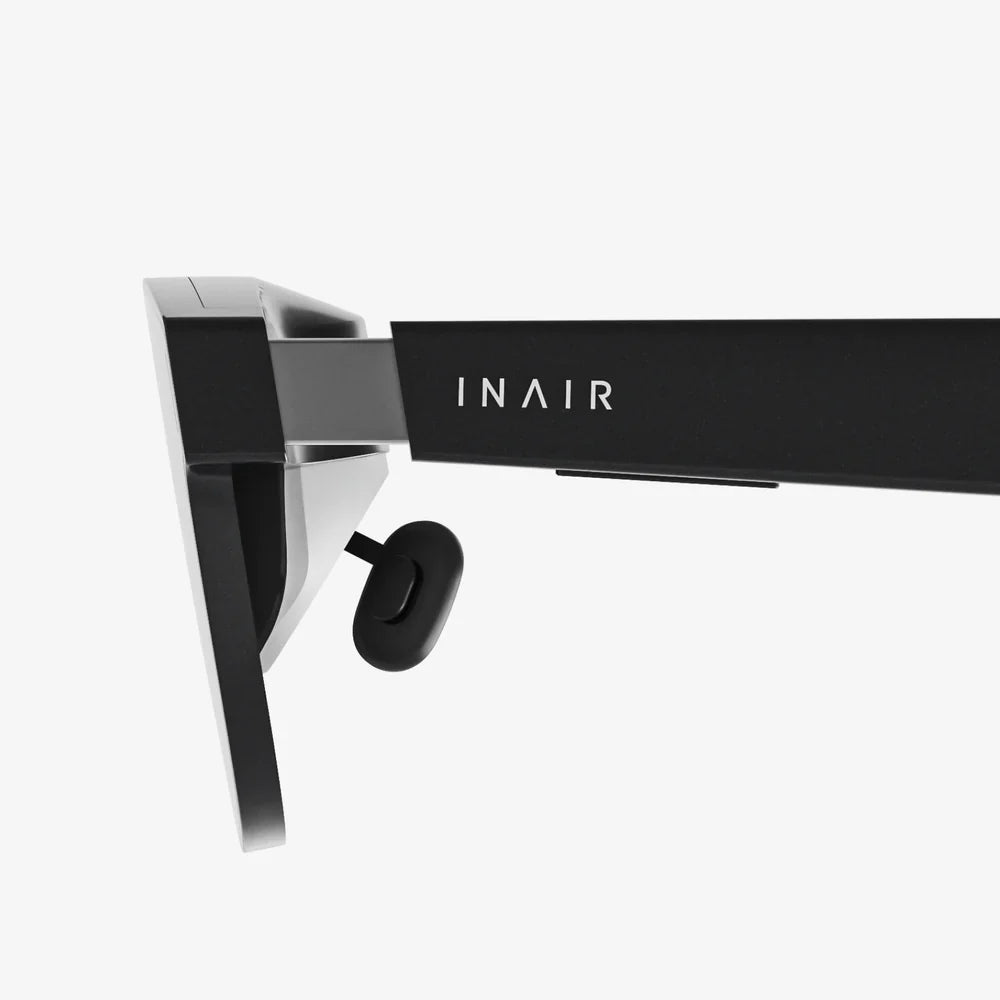
Warehouse Picking and Logistics: Workers equipped with smart glasses or a smartwatch can receive order-picking instructions directly in their field of vision. They can scan barcodes with a glance, confirm picks with voice commands, and navigate vast warehouses efficiently, all while keeping their hands free to handle goods. This reduces errors, training time, and significantly speeds up fulfillment processes.
-
Complex Assembly and Maintenance: An engineer performing a complex repair no longer needs to constantly consult a physical manual or a computer screen. Augmented reality (AR) smart glasses can overlay digital schematics, instructions, and animated guides directly onto the physical equipment they are working on, reducing errors and improving first-time fix rates.
-
Healthcare Applications: Surgeons can monitor a patient's vital signs on a screen in their glasses without looking away from the operating table. Nurses can receive critical alert notifications on their wrist without disrupting a delicate procedure, ensuring better patient care through seamless information flow.
Streamlined Communication and Collaboration
Wearables break down communication barriers, especially for deskless workers who may not have easy access to a company phone or email.
-
Instant, Contextual Alerts: Instead of a generic email blast, a supervisor can send a targeted vibration alert to a specific team's wearables to signal the start of a shift change, an urgent issue on the production line, or a safety brief. This ensures critical information is received and acted upon immediately.
-
Remote Expert Assistance: A field technician stuck on a problem can use smart glasses to live-stream their point of view to a senior expert located miles away. The expert can then see what the technician sees and provide visual annotations and guidance directly into their field of vision, effectively mentoring them through the issue without the cost and delay of travel.
Unlocking Powerful Data-Driven Insights
The aggregate, anonymized data collected by wearables provides organizations with an unprecedented, objective view into operational workflows and employee patterns, moving decision-making from intuition to insight.
Optimizing Workflows and Processes
By analyzing movement patterns, time spent on tasks, and environmental data, companies can redesign workspaces and processes for maximum efficiency.
- A logistics company might discover, through location data, that warehouse pickers are walking inefficient routes. They can then redesign the layout or the picking algorithm to minimize wasted movement and time.
- Data on machine usage and operator interaction can help identify bottlenecks in a manufacturing process, enabling targeted interventions to smooth production flow.
Informing Strategic Decisions
This data transcends daily operations and informs high-level strategy.
- Human Resources can use anonymized well-being data to identify company-wide stress trends and develop targeted wellness programs, potentially reducing healthcare costs and absenteeism.
- Facilities management can use environmental data from wearables to verify that climate control and lighting are optimal across all workspaces, ensuring a comfortable and productive environment for all.
Navigating the Challenges and Ethical Considerations
The adoption of wearables is not without its significant challenges. A successful implementation requires careful navigation of privacy, security, and cultural hurdles.
Data Privacy and Security
The continuous collection of biometric and location data raises serious and valid privacy concerns.
-
Transparency and Consent: Implementation must be built on a foundation of radical transparency. Employees must be clearly informed about what data is being collected, how it will be used, who will have access to it, and how it will be stored and protected. Participation should be voluntary, or if required for safety, governed by strict, clear policies.
-
Anonymization and Aggregation: The primary use of data should be in an aggregated and anonymized format for trend analysis. Individual data should only be accessible to the employee themselves or, in specific safety-critical cases, to a limited number of authorized personnel.
-
Robust Cybersecurity: This highly personal data is a prime target for cyberattacks. Companies must invest in state-of-the-art encryption and security protocols to protect this sensitive information from breaches.
Cultural Adoption and Avoiding Surveillance Anxiety
If introduced poorly, wearables can be perceived as a tool for micromanagement and surveillance, eroding trust and creating a culture of fear.
-
Focus on Empowerment, Not Punishment: The organizational messaging must be unequivocal: this technology is here to empower and protect you, not to monitor your every move for disciplinary reasons. Data should never be used punitively.
-
Employee-Centric Design: Involve employees in the selection and testing process. Choose devices and platforms that provide clear value to them, such as insights into their own health and productivity. When employees see a personal benefit, adoption rates soar.
-
Clear Policies and Training: Develop comprehensive acceptable use policies in collaboration with legal, HR, and employee representatives. Provide extensive training to ensure everyone understands the purpose, benefits, and boundaries of the technology.
The future of work is not about replacing humans with technology, but about augmenting human potential with intelligent tools. Wearables at work represent a powerful symbiosis between human intuition and data-driven insight. When implemented with a thoughtful, ethical, and human-centric approach, they cease to be mere gadgets and become indispensable partners in building safer, healthier, more efficient, and ultimately more human workplaces. The data is no longer hidden in spreadsheets; it’s on your wrist, in your glasses, and woven into the fabric of your workday, offering a glimpse into a future where technology works tirelessly in the background to elevate the human experience at the forefront of every enterprise.