


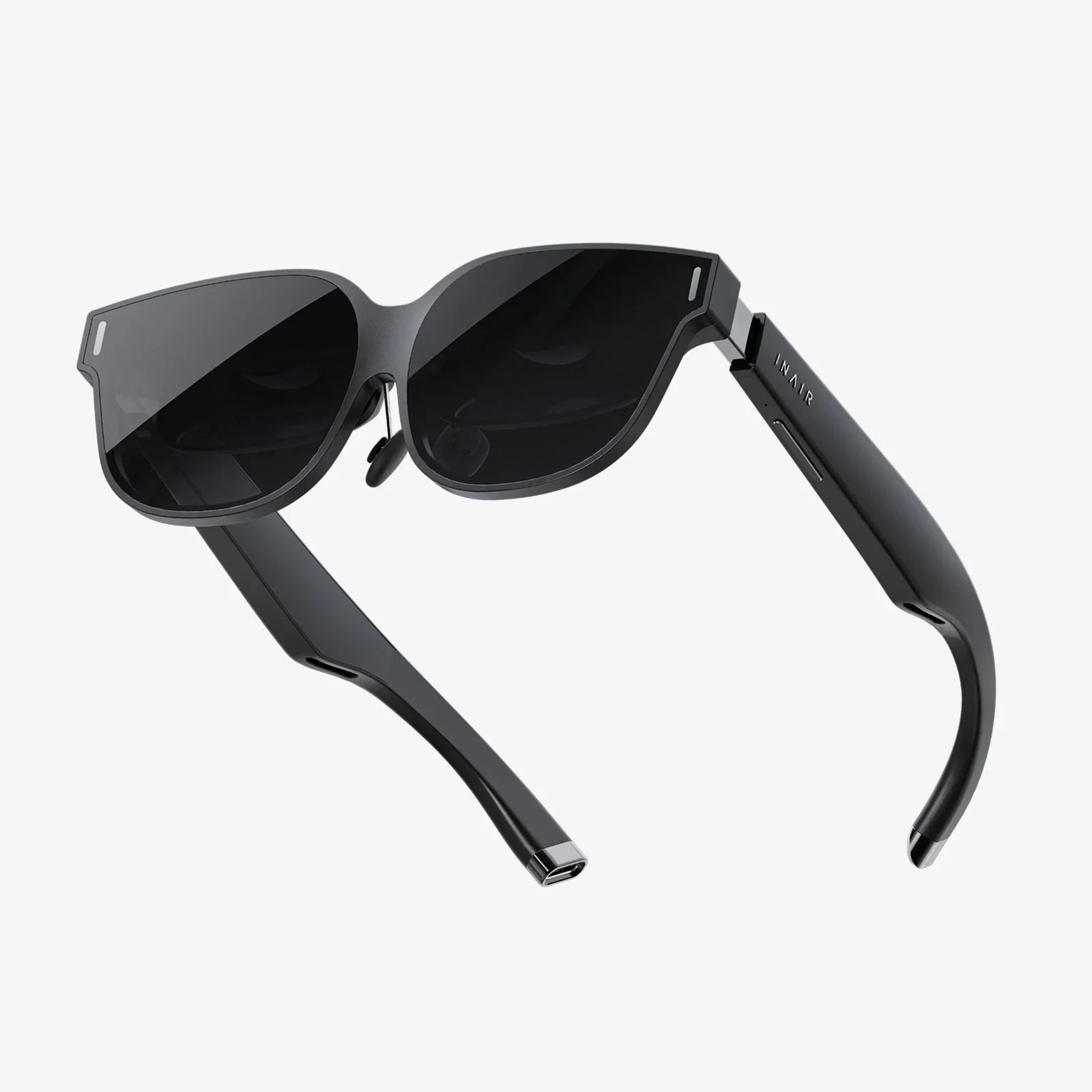
- by wangfred
Best 3D Virtual Reality Videos: A Deep Dive into Immersive Storytelling
- by wangfred
Imagine standing on the surface of Mars, the red dust crunching beneath your boots as you gaze at an alien horizon. Picture yourself floating effortlessly inside a human cell, witnessing the intricate dance of biology at a scale never before possible. Envision front-row seats at a concert where the performer looks you directly in the eye. This is no longer the stuff of science fiction; it is the breathtaking reality offered by the best 3D virtual reality videos, a medium that doesn't just show you a story but invites you to live inside it. The quest for the most immersive, awe-inspiring, and technically brilliant VR content is more than a search for entertainment; it's a journey to the very frontiers of human experience.
Not all virtual reality videos are created equal. The truly best 3D virtual reality videos share a common set of DNA markers that separate them from the mundane. It begins with spatial audio. Unlike traditional stereo sound, spatial audio is a 360-degree sonic landscape. If a character whispers over your left shoulder, you hear it from that exact direction. The chirp of a bird above, the rush of a river to your right—this layered, directional sound is fundamental to selling the illusion of presence, tricking your brain into believing you are truly somewhere else.
Next is high resolution and frame rate. Low-resolution footage in a VR headset is immediately jarring and can break immersion, often leading to discomfort. The best experiences are captured and rendered at high resolutions to ensure clarity and are displayed at a high, stable frame rate (typically 90fps or higher) to ensure smooth motion. This technical excellence is crucial for comfort and for making the virtual world feel solid and real.
Perhaps the most critical element is thoughtful direction and narrative pacing. Traditional filmmaking relies on cuts, close-ups, and controlled framing. VR flips this on its head. The viewer controls the camera. The best creators understand this, using environmental storytelling, guiding the viewer's attention with light, sound, and movement rather than forcing it. They craft narratives that respect the viewer's agency, making them an active participant rather than a passive observer.
The versatility of VR as a medium means that the best 3D virtual reality videos can be found across a stunning array of genres, each offering a unique flavor of immersion.
This is arguably where VR finds its most powerful and impactful application. Instead of watching a documentary about coral reef bleaching, you can don a headset and find yourself submerged in that very reef, swimming alongside turtles and witnessing the vibrant, fragile ecosystem firsthand. The empathy and understanding generated by this embodied experience are profound. Educational content leaps from the pages of a textbook into a navigable, interactive 3D space, allowing students to explore ancient Rome, the International Space Station, or the human circulatory system with unparalleled intimacy.
A new wave of filmmakers is embracing VR to tell stories in revolutionary ways. These narratives often place you at the center of the action—a silent observer in a tense drama, a companion on a character's journey, or even the protagonist themselves. The emotional connection forged by sharing a character's virtual space is intense and unique to the medium. These experiences are often shorter than traditional films but are infinitely more memorable due to their immersive nature.
For those with a case of wanderlust, VR is the ultimate teleportation device. The best 3D virtual reality videos in this category allow you to stand atop Mount Everest, kayak through Icelandic fjords, or walk the bustling streets of Tokyo—all from your living room. It's a powerful tool for previewing travel destinations, visiting inaccessible locations, or simply satisfying a thirst for adventure without the cost of a plane ticket.
Attending a live concert or festival is about energy and atmosphere, and VR captures this better than any 2D video ever could. Imagine being on stage with your favorite artist, seeing the sweat on their brow and the strings of their guitar vibrate, or being surrounded by the crowd on the dance floor. VR concerts and recorded live events offer a palpable sense of scale and excitement, providing access to those who cannot attend in person and preserving iconic performances in a powerfully immersive format.
While often venturing into the realm of full virtual reality applications, the line between a passive video and an interactive experience is blurring. The most advanced 3D virtual reality videos now incorporate elements of interactivity, allowing you to choose your path through a narrative, manipulate objects within the environment, or influence the outcome of the story. This level of agency deepens the immersion exponentially, creating a truly personalized experience.
Creating these awe-inspiring experiences requires a suite of specialized technology. Capturing 360 degrees in 3D is no small feat. It typically involves an array of multiple high-resolution cameras rigged together to film in every direction simultaneously. The footage from each camera is then meticulously stitched together in post-production using sophisticated software to create a seamless spherical video. This process is both an art and a science, requiring immense processing power and a keen editorial eye to hide the seams and create a coherent world.
The shift from monoscopic (flat 360) to stereoscopic (3D) video is what provides the crucial depth perception that makes VR feel real. Stereoscopic filming uses two lenses, approximating the distance between human eyes. When viewed through a headset, this creates the parallax effect that allows your brain to perceive depth and scale accurately. This is the difference between looking at a scene and feeling inside it.
The path to creating the best 3D virtual reality videos is fraught with unique challenges. The aforementioned stitching process is a major hurdle; any error creates visual distortions that can instantly shatter the sense of presence. Directors also grapple with the "gorilla arm" problem—how do you tell a story when the viewer might be looking the wrong way? Solving this requires ingenious techniques for naturally guiding the viewer's gaze without breaking their freedom.
Furthermore, motion is a notorious culprit for inducing simulator sickness in VR. Camera movements that are standard in traditional filmmaking, like dollying or tracking shots, can be highly nauseating in VR if not handled with extreme care. The best creators often keep the camera movement slow, steady, and predictable, or tie it narratively to a moving object like a vehicle, to provide a stable visual reference for the viewer's brain.
The ecosystem for distributing VR video content has matured significantly. Major dedicated platforms have emerged as the primary hubs for curated content. These platforms host thousands of experiences, from free offerings to premium rentals and purchases. They often feature editorial sections that highlight new and noteworthy releases, making them the best starting point for anyone looking to dive in. Many modern headsets come with their own integrated storefronts, allowing for seamless discovery and playback directly from the device.
The evolution of the best 3D virtual reality videos is far from over. We are standing on the brink of several technological leaps that will make these experiences even more compelling. Volumetric capture is perhaps the most significant. This technology moves beyond 2D video frames to capture a full 3D model of a person or space. This allows you to walk around a subject, viewing them from any angle, as if they were a real object in the room with you. This will revolutionize concerts, interviews, and social interactions in VR.
Furthermore, the integration of haptic feedback through advanced vests, gloves, and other peripherals will add the sense of touch to the visual and auditory immersion. Imagine feeling the rumble of a spaceship's engine or the gentle brush of a breeze against your skin. As headsets become lighter, wireless, and feature higher-resolution displays with wider fields of view, the technical barriers to immersion will continue to fall, pushing the creative possibilities for storytellers into uncharted territory.
The screen is dissolving. The boundary between audience and art is fading. The quest for the best 3D virtual reality videos is about more than finding something to watch; it's about seeking out portals to new worlds, perspectives, and understandings. It’s a testament to a fundamental human desire: to not just witness, but to experience; to not just learn, but to feel. This is just the beginning of a revolution in how we tell stories, connect with each other, and perceive our own reality. The next chapter awaits, and all you have to do is put on a headset to turn the page.