


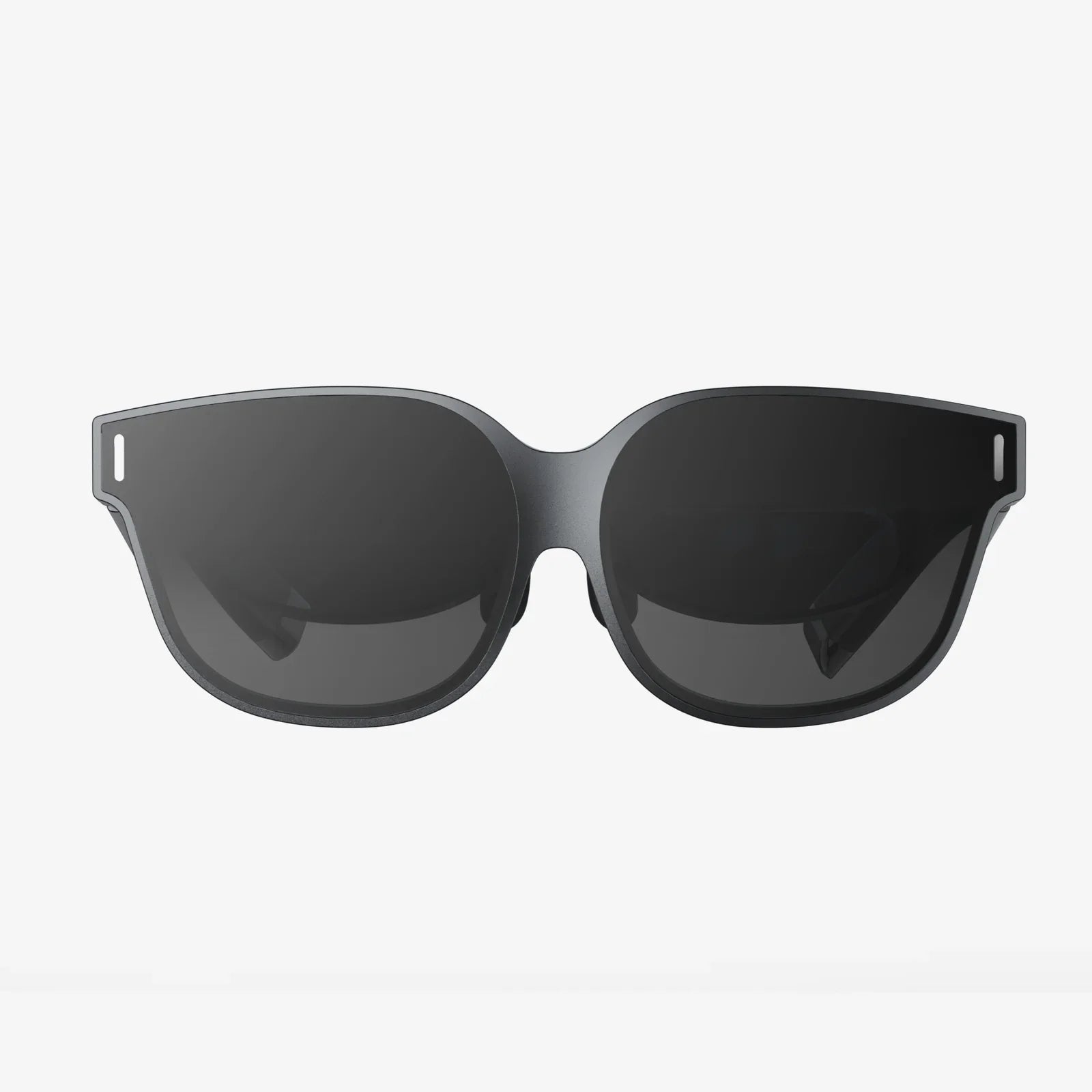
Imagine a world where achieving perfect, crystal-clear vision is as simple as turning a tiny dial on the frame of your glasses. No more lengthy optometrist appointments, no more confusing prescriptions, and no more waiting for new lenses. This is no longer a scene from a science fiction novel; it is the reality offered by the revolutionary technology of adjustable glasses. This groundbreaking innovation is democratizing vision care, offering an unprecedented level of personalization and convenience that is capturing the attention of millions worldwide. For anyone who has ever struggled with the cost, complexity, or delay of traditional eyewear, the promise of instantly customizable focus is nothing short of miraculous.
The Ingenious Mechanism Behind the Adjustment
At the heart of every pair of high-quality adjustable glasses lies a marvel of optical engineering. Unlike conventional single-vision or even progressive lenses, these frames incorporate a sophisticated fluid-based system or a precision mechanical gear system that allows the wearer to fine-tune the corrective power.
The most common and effective technology involves a sealed chamber filled with a perfectly clear, optical-grade fluid. This chamber is sandwiched between two flexible membranes. A small, discreet dial integrated into the frame connects to a mechanism that either adds or removes minuscule amounts of this fluid from the chamber. Turning the dial in one direction increases the curvature of the membrane, effectively increasing the corrective power for those who are nearsighted. Turning it the other direction flattens the lens, reducing the power. This allows the user to dial in the exact level of correction they need for any given task, from reading a book to looking at a distant road sign.
This technology effectively creates a lens with a dynamic focal length, giving the wearer complete control over their vision. The precision of the mechanism ensures that adjustments are smooth, consistent, and can be made with incredible accuracy, often to within a fraction of a diopter.
Unlocking a World of Applications and Benefits
The applications for this technology are vast and extend far beyond mere convenience. They represent a paradigm shift in addressing global vision correction challenges.
Revolutionizing Global Vision Care
Perhaps the most profound impact of adjustable glasses is in the developing world. In many regions, access to professional eye care is scarce or non-existent. Millions of people suffer from preventable vision impairment simply because they cannot see an optometrist or afford a custom pair of glasses. Adjustable glasses can be distributed by trained community health workers who can help individuals find their perfect setting. A single, durable pair can serve an entire community, with each person adjusting it to their specific needs. This has the potential to restore sight, improve education, and boost economic productivity on an enormous scale.
The Ultimate Reading Glasses Solution
For those experiencing presbyopia—the age-related loss of near focus that necessitates reading glasses—adjustable frames are a game-changer. Instead of owning a dozen pairs of "readers" scattered around the house, car, and office, each with a different strength, one pair of adjustable glasses suffices. The user can effortlessly tune the focus for reading a phone, a newspaper, or a computer screen, all of which may require slightly different levels of magnification. It eliminates the frustrating hunt for the right pair and provides a seamless visual experience for all close-up tasks.
A Boon for Travelers and Outdoor Enthusiasts
Travel often involves rapidly changing visual demands: reading a map, admiring a scenic vista, or checking a boarding pass. Adjustable glasses are the perfect travel companion, consolidating multiple pairs into one. For outdoor activities like fishing or hiking, where conditions can change in an instant, the ability to instantly optimize your vision for distance or detail is an invaluable safety and convenience feature.
Critical Considerations Before You Purchase
While the benefits are compelling, adjustable glasses are not a one-size-fits-all solution for every vision problem. It is crucial to understand their limitations and intended use.
Understanding the Limitations
Most adjustable glasses on the market are designed to correct spherical refractive errors—primarily nearsightedness (myopia) and farsightedness (hyperopia and presbyopia). They are generally not designed to correct for astigmatism, which requires a cylindrical correction. Furthermore, they cannot address more complex eye health issues like cataracts, glaucoma, or macular degeneration. They are a vision correction tool, not a medical treatment for eye disease. A comprehensive eye exam with a qualified professional remains essential for monitoring overall eye health.
Prioritizing Quality and Durability
The market for adjustable eyewear has expanded rapidly, and quality can vary significantly. It is imperative to choose products from reputable organizations and manufacturers that use high-quality, optical-grade materials. The fluid inside the lenses must be perfectly clear and stable, and the adjustment mechanism must be built to last, resistant to dust, moisture, and repeated use. Frames should be robust, comfortable, and made from hypoallergenic materials. Investing in a well-made pair ensures clarity, longevity, and a satisfying user experience.
The Fitting and Adjustment Process
Achieving the perfect setting requires a little patience. The best practice is to first look at a distant object, like a street sign or tree leaves, and adjust the dial until the view is sharp. Then, without changing the setting, look at something up close, like text on your phone. If the close-up text is blurry, you may need to find a compromise setting that provides adequate clarity for both distance and near, or simply readjust as needed for different tasks. The process is intuitive and most users become proficient within minutes.
The Future of Personalized Vision
The technology behind adjustable glasses is still evolving. Researchers and engineers are continuously working on improvements: developing even more durable mechanisms, exploring designs that can correct for a wider range of prescriptions including astigmatism, and integrating the technology into more stylish and varied frame designs. As the technology matures and becomes more widely adopted, it has the potential to fundamentally alter our relationship with eyewear, making personalized vision correction more accessible, affordable, and user-controlled than ever before.
The true power of adjustable glasses lies in their elegant simplicity. They return control to the individual, empowering them to take charge of their own vision. Whether it's a student in a remote village seeing the chalkboard clearly for the first time, a retiree effortlessly switching between reading a novel and watching television, or an adventurer adapting to the landscape before them, this technology is breaking down barriers. It proves that the best solutions are often not more complex, but smarter, more adaptable, and designed with human need at their core. The next time you find yourself squinting at a menu or struggling with multiple pairs of glasses, remember that a clearer, more customizable way of seeing the world is already within reach.
Share:
VR Hologram: The Future of Immersive Interaction is Here
Computer Human Interaction: The Invisible Language Shaping Our Digital Existence