


- by wangfred
Best Affordable AR: A Complete Guide to High-Value Augmented Reality
- by wangfred
Imagine overlaying digital schematics onto a broken engine, translating street signs in a foreign country in real-time, or watching a dinosaur stomp through your local park. This is the promise of Augmented Reality (AR), a technology once confined to high-budget research labs and science fiction. For years, the cost of entry was prohibitively high, a barrier separating curious enthusiasts from the bleeding edge of digital interaction. But what if you could unlock this potential without emptying your savings? The quest for the best affordable AR is no longer a fantasy; it's a rapidly expanding reality. The market is now brimming with options that deliver astonishing capability at a fraction of the expected cost, democratizing a technology poised to change how we work, learn, and play.
Before diving into affordability, it's crucial to understand what AR truly is. Unlike Virtual Reality (VR), which creates a completely immersive, digital environment that replaces the real world, AR enhances your real-world environment by superimposing computer-generated information onto it. This blend of digital and physical creates a unique, interactive experience. This technology is powered by a combination of hardware and sophisticated software, including:
The applications are virtually limitless, spanning from practical enterprise solutions to revolutionary consumer entertainment.
The term "affordable" is relative, but in the context of modern AR, it refers to solutions that provide a robust and functional experience without the premium price tag of high-end enterprise hardware. This shift towards accessibility is built on several key pillars that have driven down costs while improving performance.
The single greatest catalyst for affordable AR has been the smartphone. Modern devices are essentially powerful, compact computers equipped with high-resolution cameras, precise motion sensors (gyroscopes, accelerometers), powerful processors, and high-density displays. Developers realized that by leveraging this existing hardware, they could deliver compelling AR experiences to millions of people without requiring them to purchase additional, expensive equipment. This approach, known as mobile AR, effectively made the entry cost for consumers zero, provided they owned a compatible phone.
The development of robust software development kits (SDKs) and platforms has been another critical factor. These toolkits provide developers with pre-built functions for motion tracking, environmental understanding, and light estimation, drastically reducing the time and cost required to build high-quality AR applications. This standardization means developers can focus on creating engaging content rather than solving complex technical problems from scratch, leading to a richer and more diverse ecosystem of apps that, in turn, drive hardware value.
As consumer interest has grown, manufacturing components like micro-displays, waveguide optics, and dedicated AR processors has scaled up. Increased production volume naturally leads to lower per-unit costs. Furthermore, a competitive market with multiple players vying for consumer attention encourages innovation and price reduction, ensuring that companies must deliver maximum value to succeed.
Even when seeking an affordable option, certain features are non-negotiable for a quality experience. Knowing what to prioritize will help you identify true value and avoid disappointing products.
This is the foundation of any good AR experience. The digital objects must stay locked in place in the real world. If a virtual character slides across the floor or a floating screen jitters and drifts, the illusion is instantly broken. Look for solutions that boast robust SLAM capabilities, ensuring rock-solid tracking whether you're moving around a static object or placing digital items on a moving surface.
FOV refers to how much of your vision is covered by the digital overlay. A narrow FOV feels like looking through a small window, which can be immersion-breaking. While wider FOVs are typically found in more expensive devices, affordable options are continually improving in this area. A respectable FOV is key to feeling truly surrounded by the digital content.
The digital images must be sharp, clear, and bright enough to be visible even in well-lit conditions. A dim or pixelated display will make text hard to read and objects look unconvincing. This is one area where mobile AR excels, as smartphone screens are designed for high clarity and brightness.
For wearable devices, comfort is paramount. An affordable headset is a poor value if it's too heavy, poorly balanced, or gets too warm to wear for more than a few minutes. Ergonomic design, lightweight materials, and adjustable fittings are signs of a product built for real-world use.
The hardware is useless without software. A vibrant library of applications, games, and tools is essential. Investigate the platform's store—are there compelling apps that you would actually use? Strong developer support indicates a healthy future for the platform, ensuring a steady stream of new content and updates.
The market for accessible AR isn't monolithic. It exists on a spectrum, offering different levels of immersion and investment.
As mentioned, this is the most accessible tier. It requires no extra hardware beyond a smartphone. Users experience AR through their device's screen, holding it up to view the blended world. The experiences range from simple face filters and interactive game boards to sophisticated furniture placement tools and educational models. The value here is unparalleled, offering a zero-cost entry point to explore the potential of AR.
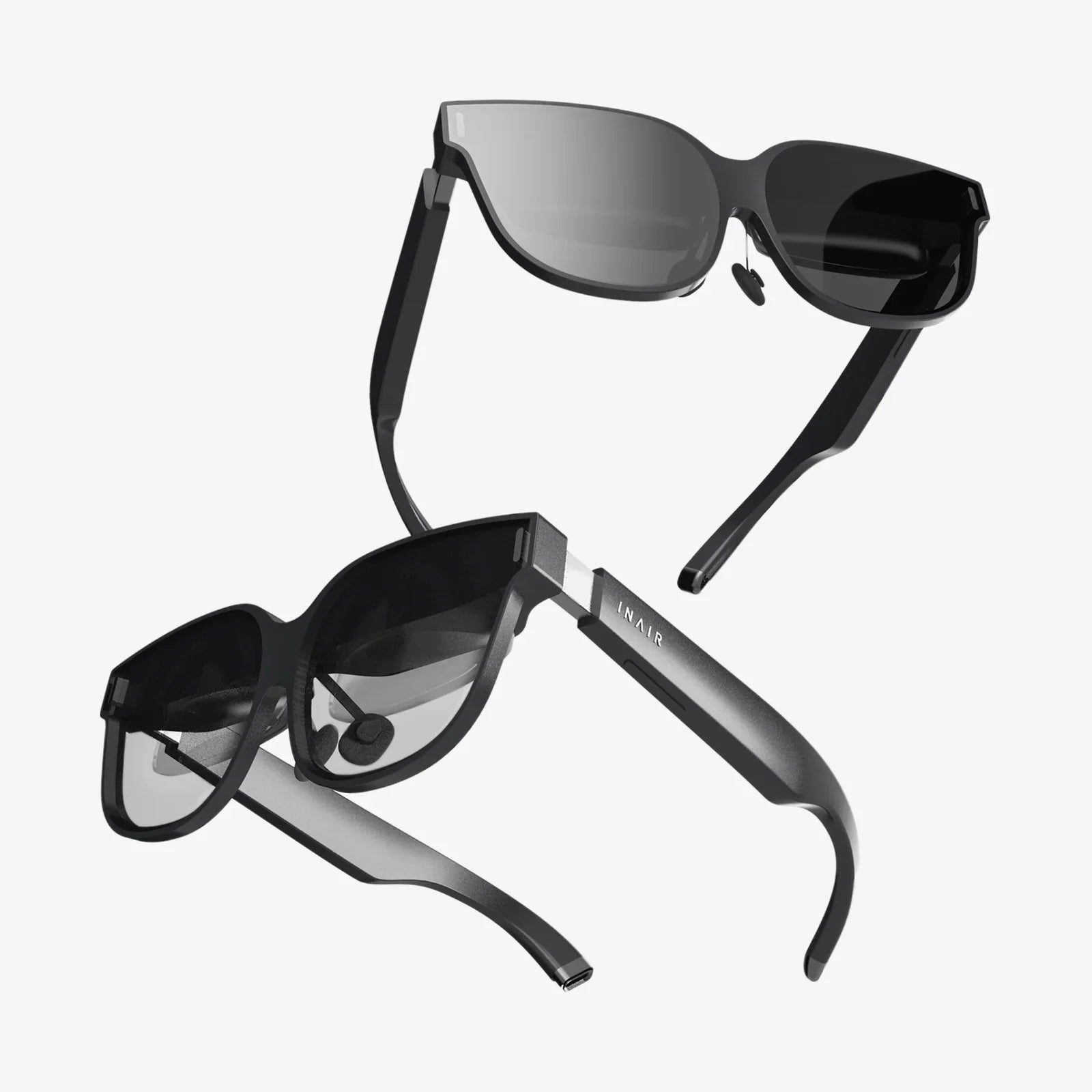
This category represents the core of the "best affordable AR" search for those seeking a dedicated, wearable experience. These are all-in-one units with their own processors, sensors, batteries, and displays. They operate independently of a phone or PC. The recent advancements in this space have been staggering, with new devices offering impressive performance, hands-free functionality, and a much wider field of view than a phone can provide, all at a consumer-friendly price point. They are designed for productivity, entertainment, and immersive web browsing.
Some solutions act as a bridge, using a lightweight visor or glasses that leverage the processing power of a connected smartphone. This approach can offer a wider FOV and a more glasses-like form factor than looking at a phone screen, while still keeping costs lower than a full standalone headset by utilizing the computer you already own.
The true value of affordable AR is revealed in its practical applications. This isn't just about games; it's about tangible utility.
Students can dissect a virtual frog, watch historical battles play out on their desk, or explore the solar system in 3D. Mechanics can see repair instructions overlaid on the engine they are working on. This hands-on, visual learning leads to dramatically improved retention and understanding.
Try on glasses, see how a new sofa fits in your living room, or visualize a new coat of paint on your walls before you buy. AR eliminates the guesswork from shopping, reducing returns and increasing customer satisfaction.
A expert technician can guide a novice through a complex repair by drawing arrows and diagrams directly into their field of view from thousands of miles away. Teams can collaborate on 3D models as if they were in the same physical room, revolutionizing remote work.
Imagine walking through a city with directional arrows painted onto the sidewalk or looking at a restaurant to instantly see its reviews and menu. AR has the potential to become the ultimate contextual interface for the world around us.
The trajectory of AR technology is pointed firmly towards greater capability, smaller form factors, and lower prices. We are moving toward a future where stylish, lightweight AR glasses are as commonplace as smartphones, offering continuous contextual information without isolating us from our surroundings. Advances in photonics, battery technology, and AI will continue to push the boundaries of what's possible at an accessible price. The next major leap will be the seamless integration of AR into everyday eyewear, making the technology invisible and ubiquitous.
The barrier between the digital and physical worlds is dissolving faster than ever before, and you don't need a futuristic budget to be part of it. The best affordable AR isn't about finding the cheapest option; it's about discovering the perfect intersection of price and performance, where innovation meets accessibility. By understanding the technology and knowing what to look for, you can find a device that unlocks a new layer of reality, transforming your phone or your view into a portal for productivity, creativity, and sheer wonder. The future is here to see, and it's waiting for you to put it on.