


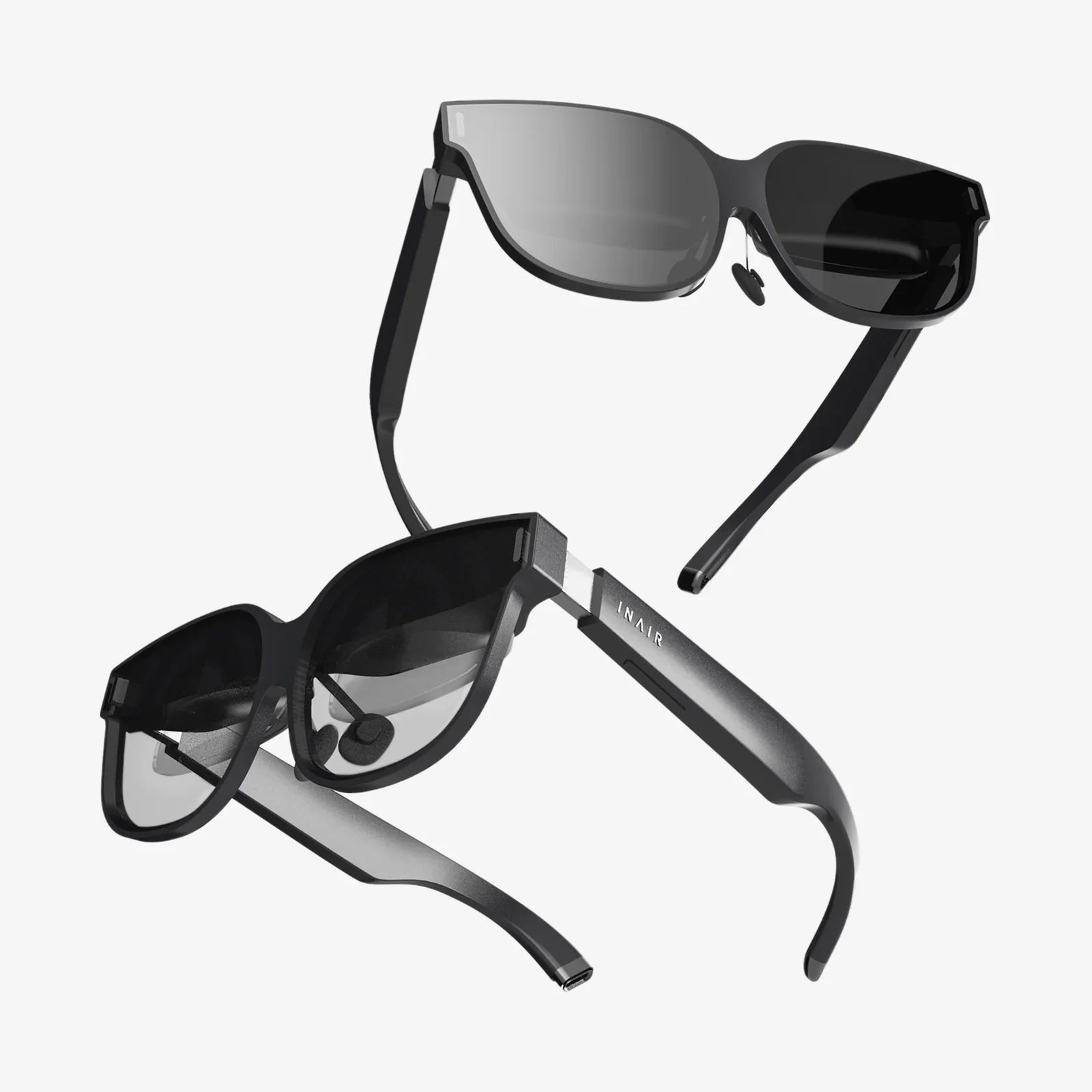
Imagine a world where digital information seamlessly blends with your physical reality, where helpful data floats before your eyes as you navigate your day, and where entertainment and productivity are no longer confined to flat screens. This is the promise of augmented reality, a futuristic technology that is now tantalizingly within reach for the average consumer, thanks to a new wave of accessible hardware. The quest for the best affordable AR glasses is no longer a search for a mythical product; it's a practical journey into the next evolution of personal computing. The barrier to entry is crumbling, and the future is putting itself on display, right before your eyes.
Demystifying Augmented Reality Glasses
Before diving into the market, it's crucial to understand what AR glasses are and, perhaps more importantly, what they are not. Unlike their fully immersive cousins, Virtual Reality (VR) headsets, which transport you to a completely digital environment, AR glasses overlay digital content onto your real-world view. Think of information like GPS directions, message notifications, or a virtual screen for your laptop projected onto your surroundings, allowing you to interact with both worlds simultaneously.
The core technologies enabling this magic are sophisticated yet increasingly cost-effective:
- Waveguide Displays: These are transparent lenses that use microscopic structures to bend light from a tiny projector on the temple of the glasses into your eye. This creates the illusion that bright, sharp images are floating in space in front of you. Advancements in manufacturing have driven down the cost of waveguides significantly.
- Micro-OLED Projectors: These are the incredibly small and efficient engines that generate the images. They offer high brightness and contrast, which is essential for seeing digital content clearly in various lighting conditions, even outdoors.
- Spatial Sensors: An array of cameras and sensors (like IMUs and depth sensors) map your physical environment. This allows the digital content to be "locked" in place on a physical surface, like a virtual monitor on your desk or a character hiding behind your real-world sofa.
- Audio Systems: Many devices use bone conduction or miniature directional speakers that deliver sound directly to your ears without blocking out ambient noise. This keeps you immersed in your environment while enjoying private audio.
Defining "Affordable" in the AR Landscape
The term "affordable" is relative, especially in a cutting-edge field like augmented reality. Just a few years ago, capable AR headsets were strictly enterprise-focused, often costing thousands of dollars. Today, "affordable" typically refers to devices positioned well under a thousand dollars, aiming for a consumer-friendly price point that aligns with premium smartphones or high-end tablets.
This shift in pricing doesn't mean these are low-quality products. Instead, it reflects a strategic focus on core functionality. Manufacturers are making intelligent compromises to hit this price target, often by optimizing for specific use cases rather than trying to be a jack-of-all-trades. You might find a pair excels as a private media viewer but has limited standalone computing power, relying on a connection to your phone or PC. Understanding these design choices is key to finding the best affordable AR glasses for your needs.
Key Features to Prioritize in Your Search
When evaluating options, look beyond the price tag and focus on these critical aspects that define the user experience.
1. Visual Fidelity: See the Difference
The quality of the display is paramount. Key metrics include:
- Field of View (FoV): This is the angular size of the virtual image you see, often compared to looking through a window. A larger FoV means a more immersive experience where digital objects feel larger and more present. Affordable models typically offer a diagonal FoV that provides a decent-sized virtual screen.
- Resolution and Brightness: Look for a high per-eye resolution to ensure text is crisp and graphics are clear. High brightness (measured in nits) is non-negotiable for use in well-lit rooms or outdoors.
- Color Accuracy and Contrast: A good display will produce vibrant colors and deep blacks, making content enjoyable to view for hours.
2. Design and Comfort: Wearable All Day
If they aren't comfortable, you won't wear them. The best affordable AR glasses prioritize a lightweight, ergonomic design that resembles traditional eyewear as much as possible. Consider weight distribution, nose pad design, and adjustability. If you wear prescription lenses, check for compatibility with lens inserts or magnetic clip-on options.
3. Connectivity and Ecosystem
Most budget-friendly AR glasses are "companion devices." They act as a external display for your existing gadgets. Ensure they are compatible with your devices—typically via USB-C or a wireless connection. Some may offer a dedicated software ecosystem or app store for standalone experiences, but the value often lies in their ability to tap into the power of your phone, laptop, or gaming console.
4. Audio Quality
For private listening, the audio solution must be clear and immersive without leaking sound to those around you. Bone conduction and directional speaker systems are common and effective, but their quality can vary. If privacy is less concerns, Bluetooth connectivity for your own earbuds is a great alternative.
5. Battery Life and Management
Battery life is a key consideration. Some glasses draw power directly from a connected device, while others have an internal battery housed in the temples or a separate puck. Look for all-day battery life for productivity, and understand how the device is powered during use.
The Premier Use Cases for Affordable AR
This category of glasses truly shines in several specific applications, making them more than just a novelty.
The Ultimate Portable Big Screen
This is the "killer app" for many users. Imagine replacing your laptop monitor, tablet screen, and TV with a massive, private, high-resolution display that you can take anywhere. Whether you're crunching spreadsheets on a plane, watching a movie in bed without disturbing your partner, or playing mobile games on a giant virtual canvas, the immersive screen experience is instantly transformative.
Enhanced Productivity and Multitasking
Augmented reality can revolutionize workflow. Imagine having multiple browser windows, Slack channels, and documents arranged virtually around your physical workspace. You can glance at reference material without alt-tabbing away from your main task or follow a recipe with instructions hovering right above your mixing bowl. It’s a productivity multiplier that declutters your physical desk and digital life.
Immersive Gaming and Entertainment
While not fully immersive VR, AR gaming brings digital characters and gameplay into your living room. Tabletop games can come to life on your coffee table, and action games can see you defending your real-world home from virtual invaders. For console and cloud gaming, playing on a giant virtual screen adds a new layer of immersion that a TV simply can't match.
Navigation and Real-World Information
With built-in GPS and tracking, AR glasses can overlay walking directions onto the street in front of you, highlight points of interest as you explore a new city, or display real-time information about a landmark you're viewing. It’s a hands-free, heads-up display for life, reducing the need to constantly look down at your phone.
Navigating the Limitations and Future Roadmap
It's important to enter this space with realistic expectations. The current generation of affordable AR glasses represents a fantastic first step, but the technology is still maturing. You may encounter limitations like a limited field of view that can feel like looking through a letterbox, or a software ecosystem that is still developing its must-have applications. Battery life for intensive tasks may require a top-up during the day, and the style, while improving, may not yet suit every face or fashion sense.
However, the trajectory is incredibly exciting. We are on the cusp of a revolution similar to the transition from bulky early mobile phones to the sleek smartphones of today. Each year brings breakthroughs in miniaturization, display technology, and battery efficiency. The affordable devices of today are paving the way for the indispensable, all-day wearable AR glasses of tomorrow.
Making Your Decision: A Buyer's Mindset
Choosing the best affordable AR glasses is a personal decision. Start by honestly assessing your primary use case. Are you a digital nomad seeking a portable monitor? A gamer wanting a more immersive experience? A tech enthusiast eager to experiment with the next computing platform?
Once you know your "why,"> align it with the features that matter most. Prioritize display quality and comfort above all else. Read reviews from trusted sources and, if possible, try before you buy to assess the fit and visual experience firsthand. Remember, you are an early adopter, investing in a glimpse of the future that is both functional and fascinating.
The dream of seamlessly blending our digital and physical lives is rapidly becoming a reality, and it no longer requires a king's ransom to experience. The best affordable AR glasses are your ticket into this new dimension, offering a compelling mix of practical utility and futuristic wonder. They represent the most accessible point of entry into a world where your environment is your interface, and the possibilities are limited only by your imagination. The future is not just coming; it's looking right back at you, waiting for you to take a look.
Share:
2D 3D Video: A Deep Dive into Dimensional Storytelling and Its Future
AR Glasses with Diopter Adjustment: The Ultimate Guide to Personalized Augmented Reality