


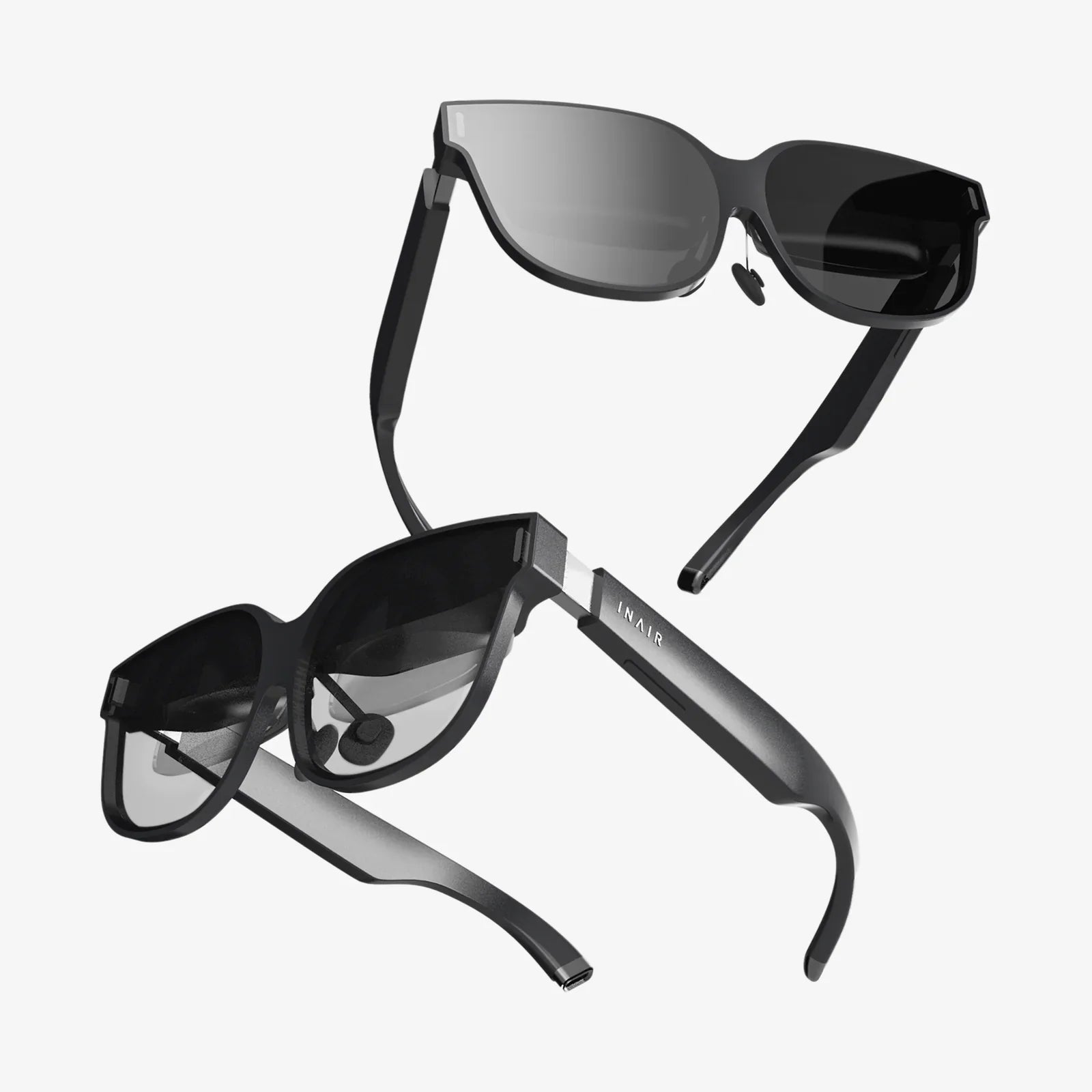
Imagine a world where digital information seamlessly blends with your physical reality, where your favorite movie floats on your living room wall, navigation arrows appear on the street ahead of you, and your video calls happen right in front of your eyes—all without emptying your bank account. This isn't a distant sci-fi fantasy; it's the reality offered by a new wave of affordable augmented reality glasses. For years, AR technology seemed reserved for developers and those with deep pockets, but a significant shift has occurred. We are now in the era of accessible augmented reality, where compelling experiences can be had for less than the price of a premium smartphone. If you've been curious about stepping into the immersive world of AR but assumed it was out of reach, prepare to be surprised. The market is brimming with options that deliver genuine utility and wow-factor without the premium price tag, making now the perfect time to explore what your reality could become.
Demystifying Augmented Reality: What Exactly Are You Getting?
Before diving into the specifics, it's crucial to set realistic expectations. The term "AR glasses" encompasses a wide spectrum of devices, from simple private display screens to fully interactive spatial computers. In the sub-$300 category, you are primarily entering the domain of monocular or binocular smart glasses. These devices often function as sophisticated external displays that you wear on your face, projecting information, media, and notifications into your line of sight.
Don't expect the holodeck-level immersion promised by high-end, tethered units costing thousands. Instead, think of them as a powerful and incredibly personal second screen. The core technologies you'll encounter are micro-OLED displays and advanced waveguides or BirdBath optics, which project a bright, clear image that appears to hover in space several feet away. The magic lies in their ability to let you see both the digital overlay and the real world simultaneously, a key differentiator from virtual reality (VR) headsets that completely occlude your environment.
Key Features to Prioritize in Your Search
Navigating the options requires knowing what matters most. Here’s a breakdown of the critical specifications and considerations when hunting for the best affordable AR glasses.
Display Quality: The Window to Your Digital World
This is arguably the most important factor. You'll want to pay attention to:
- Resolution: Look for a minimum of 1920x1080 (1080p) per eye for a sharp, readable image. Higher resolutions like 1920x1200 are becoming more common and provide a noticeable improvement.
- Brightness (Nits): A high nit count (500 nits or more) is essential for combating glare and ensuring the image remains visible in brightly lit rooms or outdoors.
- Color Accuracy & Contrast: A rich, vibrant color palette and deep blacks make for a much more enjoyable viewing experience, especially for media consumption.
Design and Comfort: Will You Actually Wear Them?
Technology that sits on your face must be comfortable. Key design aspects include:
- Weight: Lighter is almost always better. Aim for glasses that weigh under 100 grams for long-term comfort.
- Fit and Adjustability: Look for models with adjustable nose pads and flexible temples to ensure a secure and personalized fit for different face shapes.
- Style: While function overrules form, many newer models are designed to look like oversized, but relatively normal, sunglasses—a huge improvement over the bulky tech-goggle aesthetic of the past.
Connectivity and Compatibility: The Link to Your Digital Life
Most affordable AR glasses are not standalone devices; they are companions to your existing tech.
- Connection Type: The vast majority use a single USB-C cable that handles both video and power. Ensure this connection is compatible with your smartphone, laptop, or gaming device. Some models offer wireless adapters or dedicated HDMI dongles for broader compatibility.
- Platform Agnosticism: The best glasses work across ecosystems—Android, iOS, Windows, and macOS. Verify compatibility before purchasing.
Audio: A Truly Immersive Experience
Many modern smart glasses feature built-in directional speakers that beam sound directly into your ears while minimizing sound leakage to those around you. Others may include a 3.5mm audio jack or rely on Bluetooth for private listening. Good audio is half the immersive experience.
The Standout Use Cases: More Than Just a Gimmick
You might be wondering what you'd actually do with these glasses. The applications are more varied and practical than you might think.
A Portable Cinema and Gaming Dome
This is the killer app for many. By projecting a massive virtual screen, these glasses transform any chair into a personal theater. You can watch movies on a plane, play mobile games on a seemingly giant display, or even connect to a console for a immersive gaming session without needing a physical TV. The ability to enjoy content privately while still being aware of your surroundings is a game-changer.
A Productivity Booster
For the digital nomad or multitasker, AR glasses can create a multi-monitor setup anywhere. Imagine having your email, Slack, or browser windows floating in your periphery while you work on your laptop, or reviewing a presentation deck on a virtual monitor while your physical laptop screen is dedicated to video conferencing.
Navigation and Real-Time Information
While full-color, graphical GPS overlays on the street are still the domain of higher-end devices, some affordable models can display basic turn-by-turn navigation instructions in your corner of vision, allowing you to walk or cycle without constantly looking down at your phone.
Setting Realistic Expectations: The Trade-Offs
To avoid disappointment, it's vital to understand the current limitations of budget-friendly AR.
- Field of View (FOV): This is often the biggest compromise. A narrower FOV means the virtual screen feels like it's in a smaller window in front of you, rather than filling your entire vision. It's still impressive, but it's not IMAX.
- Battery Life: Since many glasses draw power from the connected device, battery life is often a function of your phone or battery pack. Plan for 3-4 hours of continuous video playback.
- Limited AR Content: True, interactive AR apps that understand and interact with your environment are still scarce on these platforms. Their primary strength is as a spatial display.
Navigating Your Purchase Decision
When you're ready to buy, look beyond the specs sheet. Read user reviews focusing on comfort over extended periods and clarity of the display. Check the manufacturer's policy on returns and warranties. The pace of innovation is rapid, so buying from a company with a good reputation for customer support is wise. Remember, you are an early adopter in a cutting-edge field, and a healthy dose of informed curiosity will serve you well.
The dream of blending our digital and physical lives is rapidly becoming a consumer reality, no longer locked away in research labs or premium price brackets. The best affordable AR glasses under $300 today are your ticket into this evolving landscape, offering a genuine glimpse into a future where our technology doesn't separate us from the world but enhances our interaction with it. They provide a stunning private theater, a novel productivity tool, and a fascinating new way to interface with the devices we rely on every day. This is just the beginning of the journey, and for a surprisingly accessible entry fee, you can now be part of it. The real world is waiting for its upgrade.
Share:
AI Driven Content Creation Tools Are Reshaping the Digital Landscape
AI Driven Content Creation Tools Are Reshaping the Digital Landscape