


- by wangfred
Best AI Glasses with Prescription Lenses: The Ultimate Guide to Seeing Smarter
- by wangfred
Imagine a world where your glasses do more than just help you see clearly—they help you understand, navigate, and interact with the world around you in ways previously confined to science fiction. The quest for the best AI glasses with prescription lenses is not just about finding a piece of wearable tech; it's about unlocking a new dimension of human-computer interaction, seamlessly integrated into the most essential tool for vision. This convergence of ophthalmology and artificial intelligence is redefining accessibility, productivity, and connectivity, offering a glimpse into a future where your eyewear is the most intelligent device you own.
For centuries, eyeglasses have served a single, vital purpose: to correct refractive errors and bring the world into focus. The fundamental design remained largely unchanged. Today, we stand at an inflection point. The integration of artificial intelligence is transforming passive lenses into active, computational platforms. These are not mere smart displays attached to frames; they are sophisticated systems that perceive, process, and project information contextually, all while fulfilling their primary duty of providing crystal-clear prescription vision.
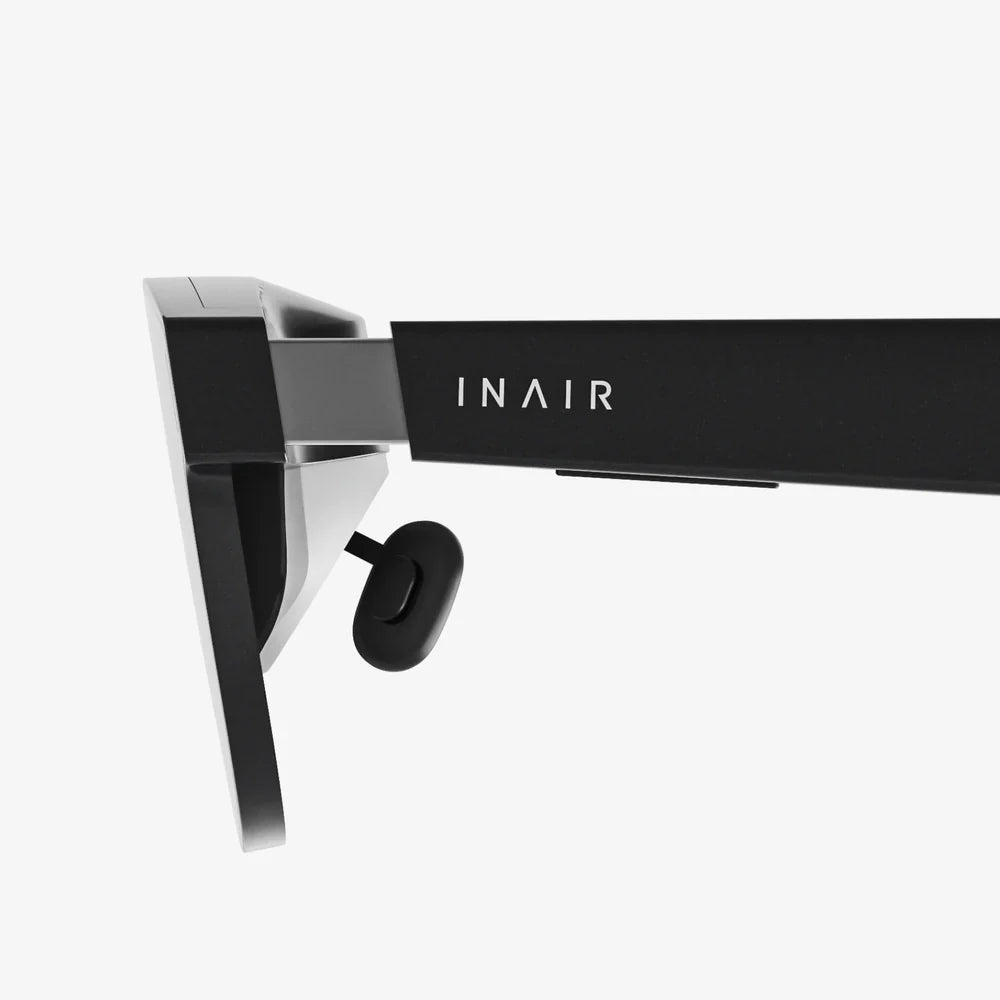
The core appeal lies in the seamless fusion. Unlike bulky head-mounted displays, the best AI glasses are designed for all-day wear. They are lightweight, stylish, and, crucially, house custom-ground prescription lenses that are optically perfect. The technology is not an add-on; it is woven into the fabric of the frame, with micro-projectors, sensors, and bone conduction speakers integrated so discreetly that to an observer, they appear as conventional, albeit modern, spectacles.
Understanding the magic requires a look under the hood. The architecture of these devices is a marvel of miniaturization and software engineering.
At the foundation are the prescription lenses. These are not standard lenses. They are typically high-index, premium lenses that can be crafted for a vast range of prescriptions, including complex astigmatism, bifocal, and progressive needs. Advanced anti-reflective coatings are standard to ensure maximum light transmission and minimize glare for both the user's natural vision and the overlaid digital display. The lenses act as a waveguide, using microscopic structures to bend light from the projectors directly onto the retina, creating a stable, floating display that feels like part of the natural world.
Embedded within the frame are a suite of sensors. This typically includes:
This constant stream of data is processed by an onboard AI chip. This dedicated processor runs sophisticated neural networks for tasks like real-time object recognition, speech-to-text translation, and spatial mapping, all without needing a constant connection to a smartphone, ensuring low latency and privacy.
Instead of a large, opaque screen, these glasses use laser projection systems to cast information onto the lenses. This creates a transparent, monochromatic or multicolor display that appears to float in the user's field of view, usually in the periphery to avoid obstructing core vision. For audio, bone conduction technology is prevalent. This transmits sound waves through the skull bones directly to the inner ear, leaving the ears open to hear ambient sounds—a critical feature for safety and situational awareness.
The true value of AI prescription glasses is revealed in their application. They are moving from novelty to necessity across various facets of life.
This is perhaps the most profound impact. For individuals with visual impairments beyond basic refractive errors, AI glasses can act as a powerful assistive device. Real-time object detection can identify and audibly name items, read text from documents, signs, or menus aloud, and even recognize faces and describe facial expressions. For those with hearing loss, live transcription of conversations can be displayed directly in their vision, turning spoken word into subtitles for the world.
Professionals can benefit immensely. Imagine giving a presentation with discreet talking points visible only to you, translating a foreign contract in real-time during a meeting, or following a complex repair manual with diagrams overlaid onto the machinery you're fixing. Hands-free access to navigation, messages, and calendars eliminates the constant need to pull out a phone, allowing for deeper immersion in the task at hand.
Staying connected becomes effortless. Receive and respond to notifications without breaking your stride. Take photos and record videos from a first-person perspective to capture memories as you experience them. For fitness enthusiasts, real-time performance data like heart rate, pace, and route navigation can be displayed, transforming a run into an immersive data-driven experience.
Selecting the right pair is a deeply personal decision, balancing technological capability with everyday practicality.
This is the non-negotiable starting point. The provider must have a robust and certified process for verifying prescriptions. Look for options that include a wide range of lens materials (e.g., polycarbonate for impact resistance), coatings (anti-scratch, anti-glare, blue light filtering), and lens types (single vision, progressive). The process should be guided by a qualified professional to ensure a perfect fit for your visual needs.
All-day intelligence requires power. Assess the claimed battery life, but pay closer attention to the battery life with typical use (e.g., regular use of the AI features versus just wearing them). Consider the charging mechanism—is it a convenient case or a cable? The performance of the AI features should be smooth and responsive, with minimal lag in processing visual or audio inputs.
Since you'll be wearing them for hours, comfort is paramount. Evaluate the weight, the fit across different face shapes, and the adjustability of the nose pads and temples. The design should be something you're comfortable being seen in, whether at a business meeting or a casual outing. A variety of frame styles is a significant advantage.
The hardware is only as good as the software that powers it. Investigate the companion app, the frequency of updates, and the roadmap for new features. Crucially, delve into the company's privacy policy. These glasses process a significant amount of personal and environmental data. Understand how your data is collected, stored, and used. Opt for companies that prioritize on-device processing and offer clear, transparent data controls.
The technology is advancing at a breathtaking pace. We are moving towards even more immersive experiences with full-color, wider-field-of-view displays. AI models will become more contextual and anticipatory, offering information before it's even asked for. Integration with broader IoT ecosystems will allow your glasses to interact with your smart home, car, and other devices effortlessly. Furthermore, breakthroughs in biometric sensors could turn them into health monitors, tracking indicators like blood sugar levels non-invasively through the tear film.
The journey to perfecting this technology involves overcoming challenges like improving social acceptance, extending battery life further, and establishing ironclad privacy standards. However, the trajectory is clear: AI glasses are poised to become the next major platform, moving beyond the smartphone to offer a more intuitive and integrated digital layer over our physical reality.
The gap between seeing and understanding is closing faster than ever. The best AI glasses with prescription lenses are no longer a futuristic concept but a tangible tool reshaping human potential, offering a hands-free, intelligent assistant that lives right before your eyes—literally. This is more than an upgrade to your vision; it's an upgrade to your entire reality, and the journey to finding your perfect pair starts now.
Share:
Immersion Augmented Reality: Blurring the Lines Between the Digital and Physical Worlds
Augmented Reality Headset Definition: The Ultimate Guide to Seeing the World Differently