


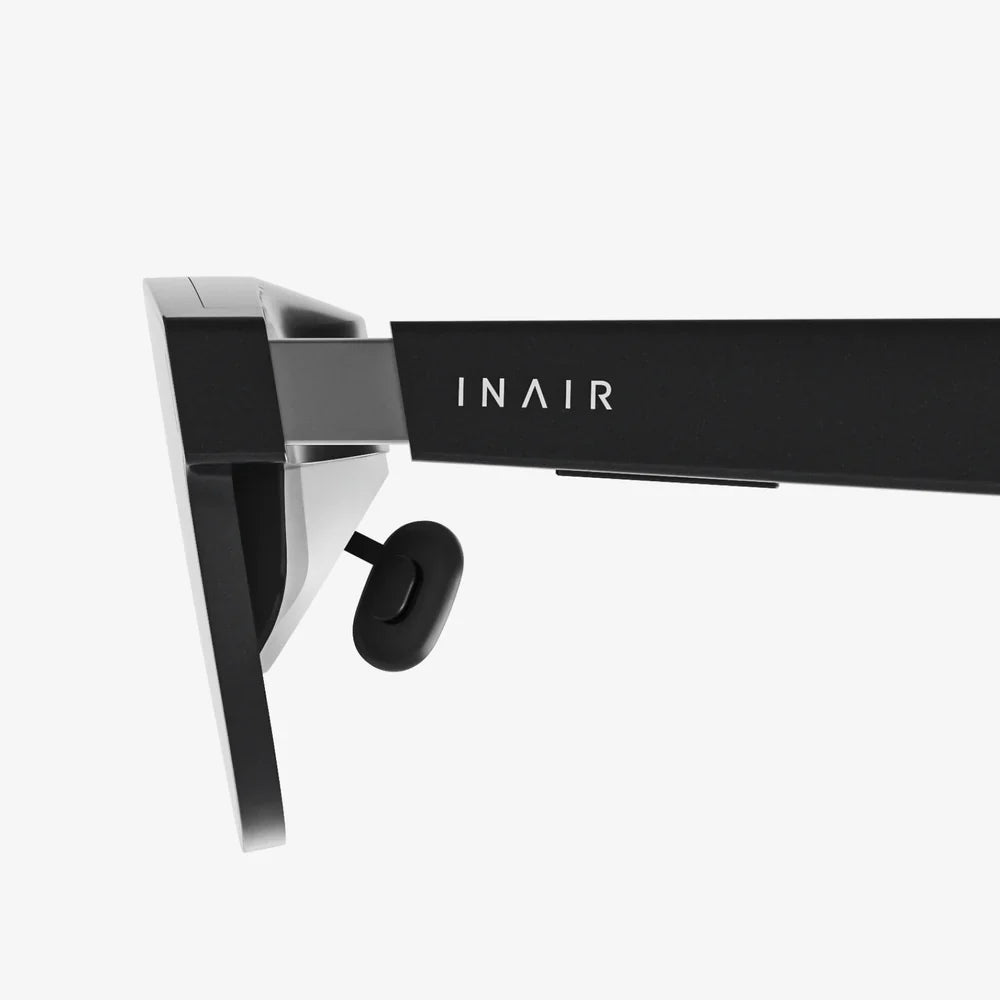
Imagine a world where your headphones don't just play music—they understand your intentions, translate conversations in real-time, and create a personalized soundscape for your life. This isn't science fiction; it's the reality of the best AI headsets under $500 in 2025. The barrier to entry for cutting-edge wearable technology has finally crumbled, bringing once-unthinkable capabilities to the mainstream consumer. This year's crop of intelligent audio devices represents a quantum leap from the simple wireless earbuds of just a few years ago, offering sophisticated artificial intelligence that fits comfortably in your ears and your budget. The convergence of more efficient neural processing units, advanced sensor arrays, and sophisticated machine learning algorithms has created a new category of audio device that's less about passive listening and more about active augmentation of your daily reality.
The AI Headset Revolution: More Than Just Audio
The term "headset" has undergone a radical redefinition in 2025. No longer mere transducers for sound, these devices have evolved into comprehensive personal computing platforms. The best models under $500 now incorporate multiple microphones for beamforming and noise cancellation, inertial measurement units for tracking head movement, and in some cases, even basic biometric sensors. What makes them truly revolutionary is the on-device AI processing capability that allows them to understand context, predict needs, and interact with your environment in meaningful ways without constant connection to distant servers.
This shift toward edge computing represents perhaps the most significant advancement in the affordable AI headset market. By processing data locally on dedicated neural processors, these devices offer faster response times, enhanced privacy since your data doesn't need to travel to the cloud, and functionality even when internet connectivity is limited. The implications are profound—real-time language translation during conversations, adaptive noise cancellation that learns your preferences, and audio augmentation that responds to your physical environment all become possible without latency or privacy concerns.
Key Technologies Defining 2025's Affordable AI Headsets
Next-Generation Neural Processing Units
At the heart of every worthy AI headset under $500 is a sophisticated neural processing unit (NPU) specifically designed for audio and contextual computing. These specialized chips are far more efficient than general-purpose processors for machine learning tasks, enabling complex AI features without devastating battery life. The 2025 NPUs can handle multiple simultaneous AI models—processing speech, analyzing environmental sounds, and monitoring biometric data concurrently while drawing minimal power.
Advanced Sensor Arrays
Today's affordable AI headsets incorporate an impressive array of sensors that would have been unthinkable at this price point just a few years ago. Beyond the expected high-quality drivers and microphones, many now include:
- Precision motion sensors for head tracking and gesture recognition
- Biometric sensors for heart rate and stress monitoring
- Environmental sensors for detecting ambient noise types and levels
- Proximity sensors for automatic play/pause when removing the headset
- In some models, basic EEG sensors for detecting focus states
This sensor fusion creates a rich dataset that the onboard AI uses to understand and adapt to your current situation, whether you're working in a noisy café, exercising at the gym, or having a conversation in a crowded room.
Contextual Awareness and Personalization
The defining feature of 2025's best AI headsets is their ability to understand context and personalize your experience accordingly. Using machine learning algorithms that run continuously on device, these headsets learn your patterns, preferences, and routines. They can automatically switch between noise cancellation profiles based on your environment, suggest audio content based on your current activity level and time of day, or even remind you to take a break when they detect vocal fatigue during long calls.
This personalization extends to audio tuning as well. Advanced models now perform automated hearing tests to create personalized sound profiles that compensate for individual hearing characteristics, ensuring that everyone experiences audio optimally regardless of their natural hearing abilities.
Must-Have Features in a 2025 AI Headset Under $500
Intelligent Noise Control
While noise cancellation technology itself isn't new, its implementation in 2025's AI headsets represents a significant evolution. The best models now feature adaptive noise control that doesn't just block out sound, but intelligently manages what you hear based on context. Using real-time analysis of your environment, these systems can:
- Selectively enhance human speech while reducing background noise
- Automatically adjust cancellation levels when you start speaking
- Learn which environmental sounds you typically want to hear (like announcements) and which to block
- Create personalized sound zones that follow you as you move between environments
Real-Time Translation and Transcription
Perhaps the most practically useful feature of modern AI headsets is their ability to break down language barriers. The best models under $500 now offer near-instant translation for conversations, with accuracy rates exceeding 95% for major languages. This isn't the clumsy phrase-by-phrase translation of earlier generations—these systems maintain conversational flow, preserve tone and nuance, and work offline for most common language pairs.
Equally impressive is the real-time transcription capability that can distinguish between multiple speakers in a meeting, accurately transcribe technical terminology, and even generate summarized notes with action items. For students, professionals, and travelers, these features transform how we communicate across linguistic divides.
Enhanced Audio Reality
Beyond traditional music playback, 2025's AI headsets offer what's being called "Enhanced Audio Reality"—the ability to augment your sonic environment in useful ways. This includes:
- Spatial audio that remains consistent as you move your head
- Audio filters that can emphasize certain elements of your environment (like bird songs during a hike)
- Audio augmentation for gaming that provides spatial cues beyond what the game natively supports
- Personal sound amplification that works like high-tech hearing assistance in challenging listening environments
Seamless Multi-Device Integration
The frustration of manually switching connections between devices has become a relic of the past. Today's AI headsets intelligently manage connectivity, automatically routing audio based on priority and context. They can simultaneously maintain connections to multiple devices, seamlessly transferring calls from your phone to your computer when you start typing, or prioritizing navigation prompts from your car's system over music from your phone.
Health and Wellness Monitoring
While not medical devices, many of 2025's AI headsets incorporate basic health and wellness features that provide valuable insights into your well-being. These can include:
- Posture reminders when you've been sitting incorrectly for extended periods
- Vocal fatigue alerts during long speaking sessions
- Stress level indicators based on voice analysis and heart rate variability
- Auditory health monitoring that tracks sound exposure and recommends safe listening levels
Battery Life and Connectivity: The Practical Considerations
Despite the increased computational demands of AI features, battery technology and power efficiency have improved sufficiently that most quality AI headsets under $500 offer all-day battery life with moderate use. The implementation of low-power auxiliary processors that handle basic functions while the main NPU sleeps has been crucial to this advancement. Most models now support some form of quick charging, with 15 minutes of charging providing several hours of use.
Connectivity standards have also evolved, with the latest models supporting enhanced versions of Bluetooth with greater range, stability, and audio quality. Many also include support for ultra-wideband technology for precise spatial awareness with compatible devices, creating new possibilities for contextual interactions.
Privacy and Security in an Always-Listening World
With devices that are constantly processing audio from your environment, privacy concerns naturally arise. The best AI headsets of 2025 address these concerns through multiple approaches:
- On-device processing ensures that sensitive audio data never leaves your headset
- Clear physical indicators show when the microphone is active
- Privacy modes that physically disconnect microphones when maximum assurance is needed
- Transparent data policies that clearly explain what data is collected and how it's used
- Regular security updates to address newly discovered vulnerabilities
Consumers should look for headsets that prioritize these privacy-protecting features, ensuring that the convenience of AI doesn't come at the cost of personal security.
The Future Is Already Here
The most remarkable aspect of 2025's AI headset market isn't any single feature or specification—it's the democratization of technology that was recently available only in premium products costing twice as much. The convergence of manufacturing efficiencies, algorithmic improvements, and consumer demand has created a perfect storm of value in the under-$500 category. Today's affordable AI headsets aren't merely stripped-down versions of flagship models; they're purpose-built platforms that deliver genuinely useful intelligence without compromising on core audio quality or comfort.
These devices represent a fundamental shift in how we interact with technology—moving from explicit commands to implicit understanding, from generic experiences to deeply personal ones, and from isolated functionality to contextual awareness. The best AI headset under $500 in 2025 isn't just a listening device; it's a cognitive companion that enhances your perception of the world while respecting your budget and privacy. The era of truly intelligent, affordable wearable computing has arrived, and it sounds incredible.
Your perfect AI audio companion is waiting—immersive, intelligent, and surprisingly affordable. These technological marvels are redefining what's possible in personal audio, offering features that seemed like distant dreams just a few years ago. From breaking down language barriers to protecting your hearing health, the right headset can transform how you experience the world around you. The future of personal audio isn't just about better sound; it's about smarter interaction with your environment and seamless integration into your digital life. Discover how these incredible devices can enhance your daily routine, boost your productivity, and bring a new dimension to your entertainment—all without breaking the bank.
Share:
3D Video Rendering: The Invisible Engine Powering Modern Visual Storytelling
Handheld Personal Computer The Pocket-Sized Powerhouse Reshaping Modern Life