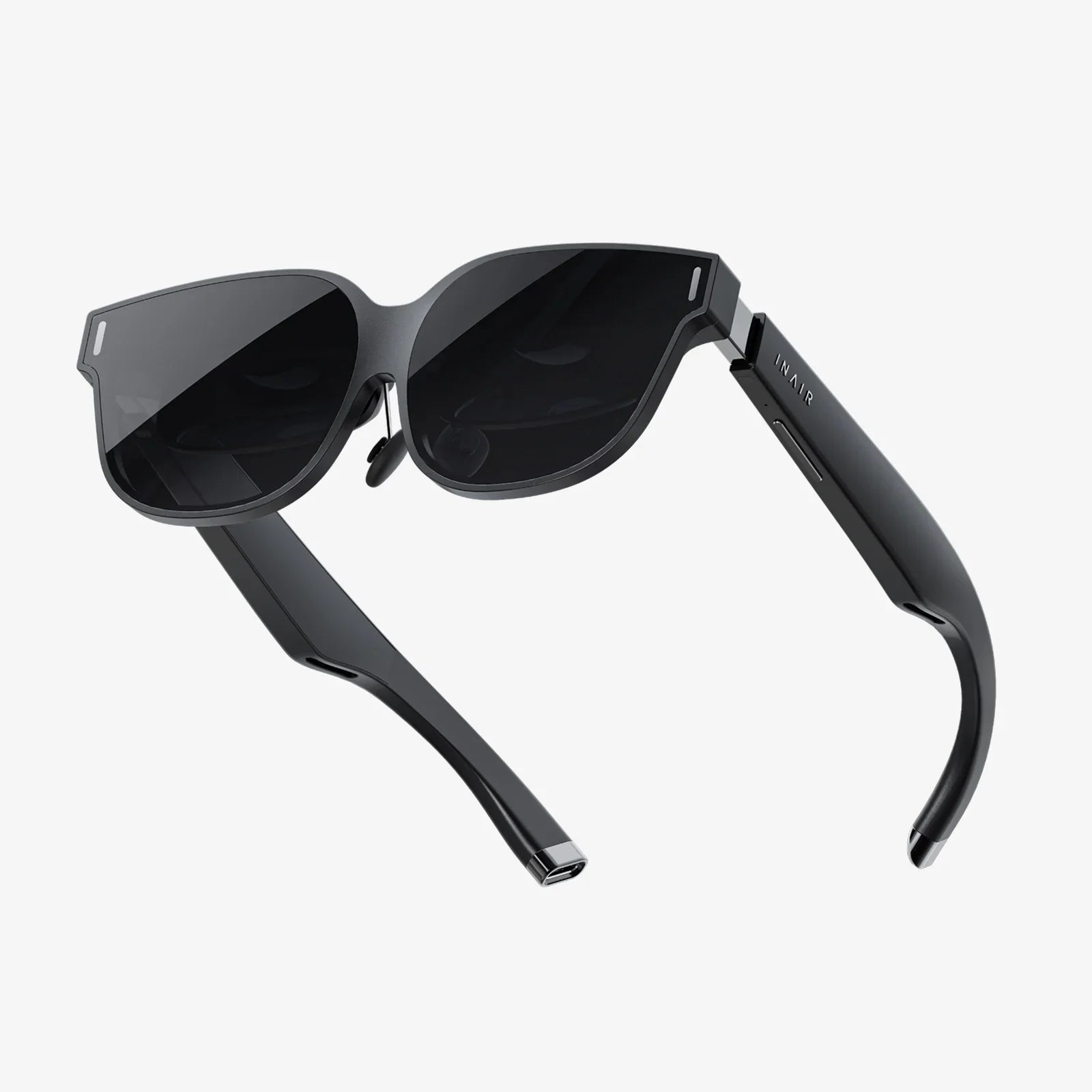
Imagine a world where your technology doesn’t just respond to your commands but anticipates your needs, understands your context, and seamlessly integrates into the very fabric of your existence. This is no longer the stuff of science fiction; it is the reality being forged by the best AI wearables of 2025. We are standing at the precipice of a new era in personal computing, one where intelligence is not confined to a screen in your hand but is woven into your clothing, your accessories, and even your skin. The devices emerging this year are not mere upgrades; they are profound leaps forward, redefining the relationship between human and machine. The journey into this ambient, intelligent future starts here, and the possibilities are as thrilling as they are transformative.
The Evolution of Form: Beyond the Wrist and Ear
The most immediate and visually striking trend defining the best AI wearables of 2025 is the radical diversification of form factors. The market has exploded beyond the familiar confines of smartwatches and fitness trackers, giving rise to a new ecosystem of intelligent devices designed for specific contexts and purposes.
Smart rings have matured from nascent curiosities into powerful health and notification hubs. Their minimalist design belies a sophisticated array of sensors capable of continuous, clinical-grade health monitoring. They track sleep stages, heart rate variability, body temperature, and blood oxygen saturation with remarkable accuracy, all while being virtually unnoticeable on the finger. This form factor is particularly appealing for those seeking deep health insights without the bulk or constant screen distractions of a wrist-worn device.
Smart glasses have finally shed their awkward, prototype phase to become genuinely desirable fashion accessories. The best AI wearables in this category for 2025 feature sleek designs indistinguishable from high-end traditional eyewear. Their power lies in a concept known as ambient computing. Instead of holding up a phone to see directions, they are projected onto the inside of your lenses. Instead of straining to hear a podcast in a noisy cafe, advanced bone conduction or directed audio speakers deliver crystal-clear sound directly to your ears, leaving you aware of your surroundings. They translate foreign language signs in real-time, identify points of interest, and discreetly provide contextually relevant information, all hands-free.
We are also witnessing the rise of intelligent clothing. From athletic shirts that analyze muscle form and provide real-time coaching on running technique to postural sensors embedded in the lining of office wear that nudge you to sit up straight, AI is becoming interwoven with our textiles. These devices offer a continuous, holistic view of our physical state that isolated wrist-worn devices simply cannot match.
The Engine Room: The AI That Makes It All Possible
Beneath the sleek surfaces of these devices lies the true star of the show: a new generation of artificial intelligence. The best AI wearables of 2025 are defined not just by their hardware but by the sophistication of the intelligence that powers them. This is driven by several key technological breakthroughs.
First is the widespread adoption of advanced neural processing units (NPUs) and specialized low-power chipsets directly within the wearables themselves. This shift to on-device AI processing is a game-changer for privacy, latency, and battery life. Instead of sending your sensitive health and audio data to a remote cloud server for analysis, the processing happens locally on the device. Your conversations, health metrics, and location data never leave your possession. This also enables near-instantaneous responses; asking your glasses a question yields an answer without the lag of a round-trip to the cloud. Furthermore, it is incredibly power-efficient, allowing these complex computations to run all day without draining the battery.
Second is the move towards multimodal AI models. These are AI systems that can process and understand multiple types of data simultaneously—text, audio, visual, and sensor data—to form a much richer understanding of context. For example, your wearable might notice an elevated heart rate (sensor data), hear you raising your voice (audio data), and see that you are in a meeting (calendar data). By synthesizing these multimodal inputs, the AI can correctly interpret this as stress and suggest a brief breathing exercise, rather than misinterpreting it as physical exertion.
Finally, we are seeing the emergence of truly personalized small language models (SLMs). These are compact, efficient AI models that live on your device and learn exclusively from your data. They learn your routines, your speech patterns, your preferences, and your health baselines. This allows for a level of hyper-personalization previously impossible. Your AI assistant doesn’t just know the weather; it knows that you always forget an umbrella when it rains and will remind you specifically. It doesn’t just track your sleep; it learns that drinking coffee after 3 PM disrupts your sleep cycle and warns you against it.
Predictive Health and Proactive Wellness
The application of this powerful, on-device AI is revolutionizing personal healthcare. The best AI wearables of 2025 have moved far beyond simple step counting and into the realm of predictive and preventative medicine.
Continuous, non-invasive blood glucose monitoring is now a reality for millions, helping individuals understand how their diet and lifestyle affect their metabolic health without a single finger prick. Advanced ECG sensors can now detect a wider range of arrhythmias with FDA-cleared accuracy, providing potentially life-saving data. Perhaps most impressively, the combination of sensor data and AI analysis is enabling early warning systems for conditions like atrial fibrillation, hypertension, and even the onset of infections like the flu by detecting subtle deviations from an individual’s established health baseline.
Mental wellness has received an equal amount of innovative attention. Wearables now use a combination of heart rate variability, skin temperature, and sleep data to quantify stress levels. They can prompt mindfulness sessions when they detect rising anxiety and even guide you through breathing exercises synced to your real-time heart rate, helping to physiologically calm your nervous system. For those dealing with anxiety or mood disorders, these tools provide an objective, always-available support system.
The Seamless Symphony: Integration and the Ecosystem
A single wearable, no matter how intelligent, is an isolated instrument. The best AI wearables of 2025 derive their true power from their ability to perform in a symphony with other devices. Ecosystem integration is paramount.
These devices act as a seamless bridge between the digital and physical worlds. Your smart ring can automatically silence notifications when it detects you are in deep sleep. Your smart glasses can display a recipe from your phone while your hands are covered in flour. Your fitness tracker can automatically adjust the thermostat when it detects your workout is over and your body temperature is dropping.
This creates a context-aware environment that adapts to you, rather than requiring you to constantly manage your technology. The AI doesn’t just reside in one device; it flows through your ring, glasses, watch, and phone, creating a unified and intelligent personal network that works in concert to simplify your life.
Navigating the New Frontier: Privacy and Ethical Considerations
With this incredible power to collect, analyze, and act upon our most intimate data comes an immense responsibility. The conversation around the best AI wearables of 2025 is incomplete without addressing the critical issues of privacy, security, and ethics.
The industry's pivot to on-device processing is the most significant step forward in addressing these concerns. By keeping data on the device, the risk of mass data breaches and unauthorized surveillance is drastically reduced. However, consumers must remain vigilant. It is essential to understand what data is being collected, how it is being used, and who, if anyone, has access to it. Transparency from manufacturers is non-negotiable.
Key questions to consider include: Does the company sell anonymized data to third parties? How is the data encrypted? Can you easily access and delete your data? The best devices in 2025 offer robust user controls, allowing individuals to opt-in to features and clearly dictate their privacy preferences. Choosing a wearable is no longer just about features; it is also a choice about which company you trust to be the steward of your digital self.
The Future is Already Here
As we look at the landscape of the best AI wearables of 2025, it is clear that the technology has moved from being a novelty to a necessity for many, and from being reactive to being proactive and predictive. The fusion of advanced hardware, sophisticated on-device AI, and a diverse range of form factors is creating tools that are profoundly enhancing human health, productivity, and connection.
These devices are shedding their identity as mere gadgets and are becoming intelligent companions—part coach, part guardian, part assistant. They are empowering us with knowledge about our own bodies and minds that was once accessible only in specialized labs, and they are integrating technology into our lives in a more natural, less intrusive way.
The next time you feel a gentle vibration on your wrist reminding you to take a breath, see a translation overlay on a street sign, or get a insightful analysis of your sleep, remember that you are experiencing the quiet hum of a revolution. The best AI wearables of 2025 are not just changing what we wear; they are reshaping how we live, one intelligent interaction at a time, and the most exciting chapters of this story are yet to be written.