


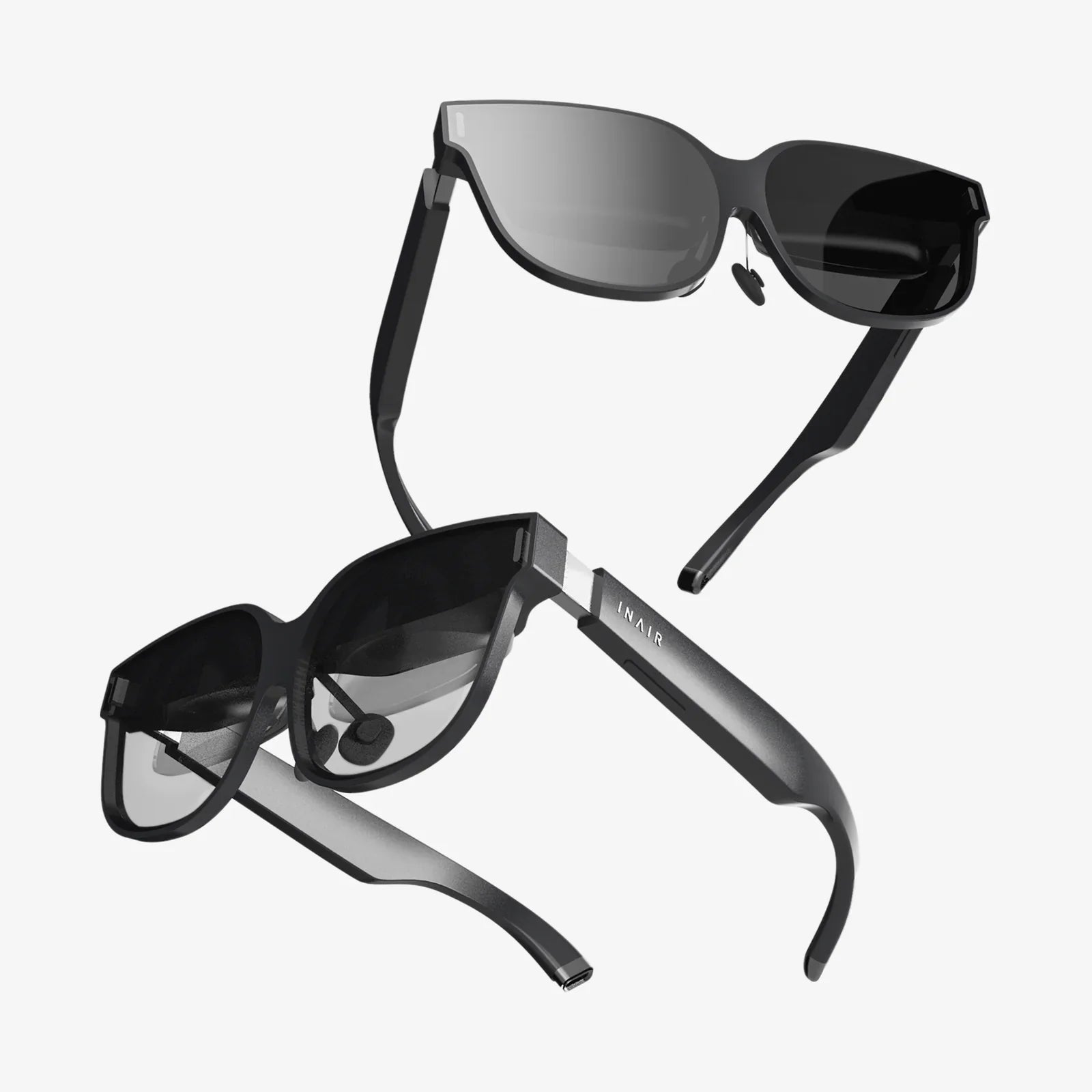
Imagine a world where digital information doesn't confine you to a screen in your hand but instead floats seamlessly in your field of vision, enhancing your reality without isolating you from it. This is the promise held by the best Android glasses, a frontier of wearable technology that is rapidly evolving from science fiction into a tangible, powerful tool for modern life. This isn't just about a new gadget; it's about a fundamental shift in how we interact with information and our environment.
What Defines Android-Powered Smart Glasses?
At their core, the best Android glasses are wearable computers that utilize a version of the Android operating system. This is a critical distinction. It means they are not merely Bluetooth-enabled displays that tether to a smartphone. Instead, they are semi or fully autonomous devices capable of running applications, processing data, and connecting to the internet, often with their own app ecosystem. This Android foundation provides a familiar and robust framework for developers, leading to a wider range of functionalities compared to closed, proprietary systems.
Core Technologies Powering the Experience
The magic of these devices is woven from several advanced technologies working in concert.
Optical Display Systems
This is the window to the digital world. Most high-quality Android glasses use waveguides or micro-projectors to beam information onto a tiny transparent lens in front of the user's eye. This creates the illusion that text, images, and videos are floating in the real world, a effect known as augmented reality (AR). The quality of this display—its brightness, resolution, field of view, and how naturally it blends with the environment—is a primary differentiator for the best Android glasses.
Sensory Array
To interact intelligently with the user and the environment, these glasses are packed with sensors. This typically includes:
- Cameras: For capturing photos and video, enabling object recognition, and facilitating AR experiences.
- Microphones: Crucial for voice commands and calls, often featuring advanced noise cancellation.
- Accelerometers and Gyroscopes: To track head movement and orientation, ensuring the digital overlay stays locked in place.
- Ambient Light Sensors: To automatically adjust display brightness for optimal visibility.
Processing and Connectivity
Powered by specialized chipsets, these glasses handle everything from simple voice requests to complex computer vision tasks. They maintain constant connections through Wi-Fi, Bluetooth, and sometimes cellular connectivity, ensuring a seamless flow of information.
Unpacking the Key Features of Top-Tier Glasses
When evaluating the best Android glasses, several features stand out as essential for a superior experience.
Seamless Augmented Reality Integration
The hallmark of a great pair is how naturally digital elements are integrated into your view. It should feel intuitive, not intrusive. This includes persistent elements like navigation arrows on the road or contextual information popping up when you look at a specific landmark.
Intuitive Voice Control and AI Assistant
Since your hands are often free, voice becomes the primary interface. A highly responsive, always-listening AI assistant that can understand context and execute commands quickly is non-negotiable. It should feel like a helpful companion, not a frustrating robot.
High-Fidelity Audio
Many models use bone conduction or tiny directional speakers that send sound directly into your ears without blocking ambient noise. This allows you to listen to music, take calls, and receive audio alerts while remaining fully aware of your surroundings—a critical feature for safety.
All-Day Battery Life and Comfort
Technology that you have to charge every two hours is technology you stop using. The best Android glasses are designed for all-day wear, both in terms of battery longevity and physical comfort. They must be lightweight, well-balanced, and preferably offer options for different prescription lenses or sunshades.
Robust App Ecosystem
The hardware is nothing without the software. A healthy ecosystem of apps designed specifically for a glasses form factor is what transforms a novel device into a useful tool. This includes everything from navigation and translation apps to fitness trackers and enterprise solutions.
Transforming Industries: Professional and Personal Use Cases
The potential of Android glasses extends far beyond a consumer novelty. They are poised to revolutionize numerous fields.
The Future of Work and Remote Assistance
Imagine a field technician repairing a complex piece of machinery with a schematic overlay and a remote expert guiding their view in real-time. Or a warehouse worker seeing the most efficient picking route and inventory data without ever glancing at a clipboard. The best Android glasses are powerful tools for hands-free access to information, dramatically improving efficiency and reducing errors.
A New Dimension in Health and Fitness
For fitness enthusiasts, real-time stats like heart rate, pace, and route navigation can be displayed without breaking stride. For healthcare, the implications are profound: surgeons could access patient vitals or imaging data during procedures, and medical students could learn anatomy through interactive 3D models overlaid on a physical body.
Revolutionizing Navigation and Exploration
Walking through a new city will never be the same. Instead of looking down at a phone, directions can be superimposed onto the streets themselves, with arrows pointing the way and contextual pop-ups providing historical facts or reviews for restaurants you pass.
Enhanced Accessibility
For individuals with hearing or vision impairments, these glasses can be life-changing. Real-time captioning of conversations, object recognition to audibly describe surroundings, and magnification features can provide a new level of independence and interaction with the world.
Navigating the Considerations and Challenges
Despite the exciting potential, the path forward for smart glasses is not without its hurdles.
Privacy and the "Glasshole" Stigma
The ability to discreetly record video or take photos raises significant privacy concerns. The tech industry must address this with clear physical indicators like recording lights and robust ethical guidelines. Furthermore, the social acceptance of being recorded by someone wearing glasses is an ongoing conversation that requires transparency and respect from users.
Design and Social Acceptance
For mass adoption, the best Android glasses cannot look like clunky cyborg attachments. They must be fashionable, available in various styles, and indistinguishable from regular eyewear at a casual glance. The technology must recede into the background, allowing the user to feel normal and confident while wearing them.
Battery and Performance Limitations
Processing complex AR visuals is computationally intensive and drains battery life quickly. Achieving a full day of use with active AR features remains a significant engineering challenge that manufacturers are continuously working to overcome.
Gazing into the Crystal Ball: The Future of the Technology
The current generation of Android glasses is just the beginning. We are moving towards a future where this technology becomes as ubiquitous as the smartphone. We can expect advancements in neural interfaces for control, holographic displays with vastly improved fields of view, and AI so deeply integrated that your glasses will anticipate your needs before you even voice them. They could become our primary portal to the emerging spatial web, a persistent digital layer over our physical reality.
The journey to find the perfect pair of Android glasses is about more than specs; it's about choosing a gateway to a new way of living and working. As the line between our physical and digital lives continues to blur, these devices stand ready to merge them in a way that is finally intuitive, empowering, and fundamentally human. The future isn't in your pocket; it's right in front of your eyes.
Share:
Good Wearable Tech Is Redefining Our Relationship With Health and Data
AR Developer: The Architect of a New Reality Shaping Our Digital Future