


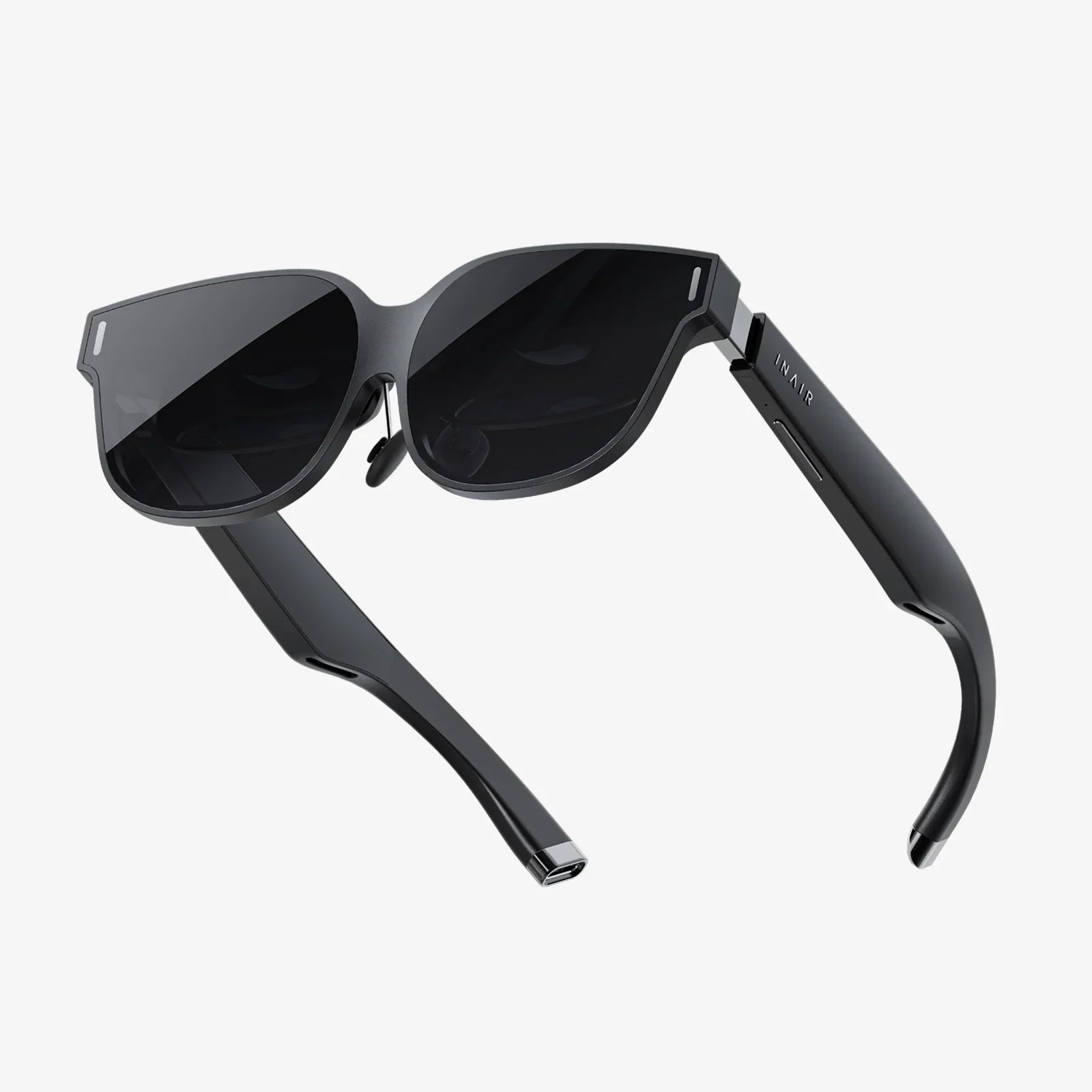
- by wangfred
Best Android Phone Wearable: Your Ultimate Guide to the Perfect Companion
- by wangfred
In a world where our digital and physical lives are increasingly intertwined, the quest for the perfect companion to your Android phone is more than a tech purchase—it's a lifestyle upgrade. The right wearable device doesn't just sit on your wrist; it becomes a seamless extension of your smartphone, a personal health coach, a notification hub, and a style statement all rolled into one. But with a market flooded with options, how do you cut through the noise to find the best Android phone wearable for you? This definitive guide will navigate the intricate landscape of wrist-worn technology, empowering you to make an informed decision that enhances your daily routine, boosts your productivity, and keeps you connected in ways you never thought possible.
The journey of the wearable is a fascinating tale of technological convergence. What began as simple pedometers and basic digital watches has exploded into a sophisticated ecosystem of mini-computers designed for the wrist. The modern best Android phone wearable is a testament to this evolution, packing sensors and processing power that would have been unthinkable a decade ago. This rapid advancement means today's devices offer an incredible array of features, from continuous heart rate monitoring and blood oxygen saturation (SpO2) tracking to built-in GPS for precise location data without your phone. They have transformed from passive receivers of information into proactive health guardians and productivity partners, capable of not only telling you about your body and world but also offering insights and suggestions to improve them.
Before diving into specifications, the most critical step is introspection. The "best" device is entirely subjective and hinges on how you intend to use it. Broadly, users fall into two camps, though many seek a blend of both.
If your primary goal is to optimize your workouts, track your health metrics, and achieve fitness goals, your needs are specific. You should prioritize devices renowned for their sensor accuracy. Look for features like:
If you want to stay connected, manage notifications, and even respond to messages directly from your wrist, your checklist changes. Key features include:
Beyond the broad categories, several technical and design aspects demand your attention. These factors will determine the day-to-day experience with your wearable.
The software is the brain of the operation. The two main players are Wear OS and proprietary systems. Wear OS offers the deepest integration with Android, providing a familiar interface, access to the Google Play Store for apps, and support for Google Assistant, Google Wallet, and Google Maps. Proprietary systems, often found on fitness-focused brands, can be more battery-efficient and are tailored specifically to the hardware, sometimes offering more robust health features but a more limited app selection. Crucially, always confirm full compatibility with your specific Android phone model and version to avoid connectivity issues.
Battery performance is arguably the most practical differentiator. Devices fall into two categories: those that need a charge every night and those that can last a week or more. Always-on displays, continuous health monitoring, and GPS use are the biggest drains. If you despise daily charging, prioritize models marketed with multi-day battery life, though be prepared to potentially sacrifice some always-on functionality or screen brightness.
The display is your window to all the data. AMOLED screens are generally preferred for their deep blacks, vibrant colors, and better power efficiency when showing mostly black interfaces, which is common on watch faces. Transflective LCDs are another option, excelling in direct sunlight but often appearing more muted indoors. An always-on display (AOD) is a valuable feature for quickly glancing at the time or stats without a jarring wrist gesture, but it will impact battery life.
A wearable is a piece of jewelry you'll wear every day. Consider its aesthetics. Does it look like a traditional watch with a circular face and customizable bands, or is it a sleek, modern fitness tracker? The size and weight are also critical for comfort, especially during sleep tracking. Furthermore, explore the ecosystem of interchangeable bands—being able to switch from a silicone band for the gym to a leather or metal one for the office greatly enhances versatility.
Look under the hood at the sensor array. Beyond the standard optical heart rate sensor, many devices now include an SpO2 sensor for blood oxygen, an electrical heart rate sensor for on-demand ECG readings (where approved by relevant health authorities), and skin temperature sensors for advanced sleep and wellness tracking. The accuracy of these sensors can vary significantly between brands, so it's worth consulting in-depth reviews from trusted sources.
Wearables span a wide range of prices, from budget-friendly trackers to premium luxury smartwatches. Your budget will naturally narrow your choices.
Technology evolves rapidly. While you can't future-proof completely, you can make a smarter long-term investment. Prioritize devices from manufacturers known for providing consistent and long-term software support and updates. A device that receives regular feature updates and security patches will remain useful and secure for years to come, protecting your investment and ensuring you have access to the latest improvements.
Imagine a device that knows you're stressed before you do and guides you through a breathing exercise. A companion that pays for your groceries, navigates you home, and tells you you've had a great night's sleep—all from your wrist. The best Android phone wearable is no longer a gadget; it's a centralized command center for your wellbeing and digital life, offering unparalleled convenience and insight. The power to find your perfect match is now in your hands—or rather, on your wrist.
Share:
Content Creation AI and AR: The Future of Storytelling is Here
Content Creation AI and AR: The Future of Storytelling is Here