


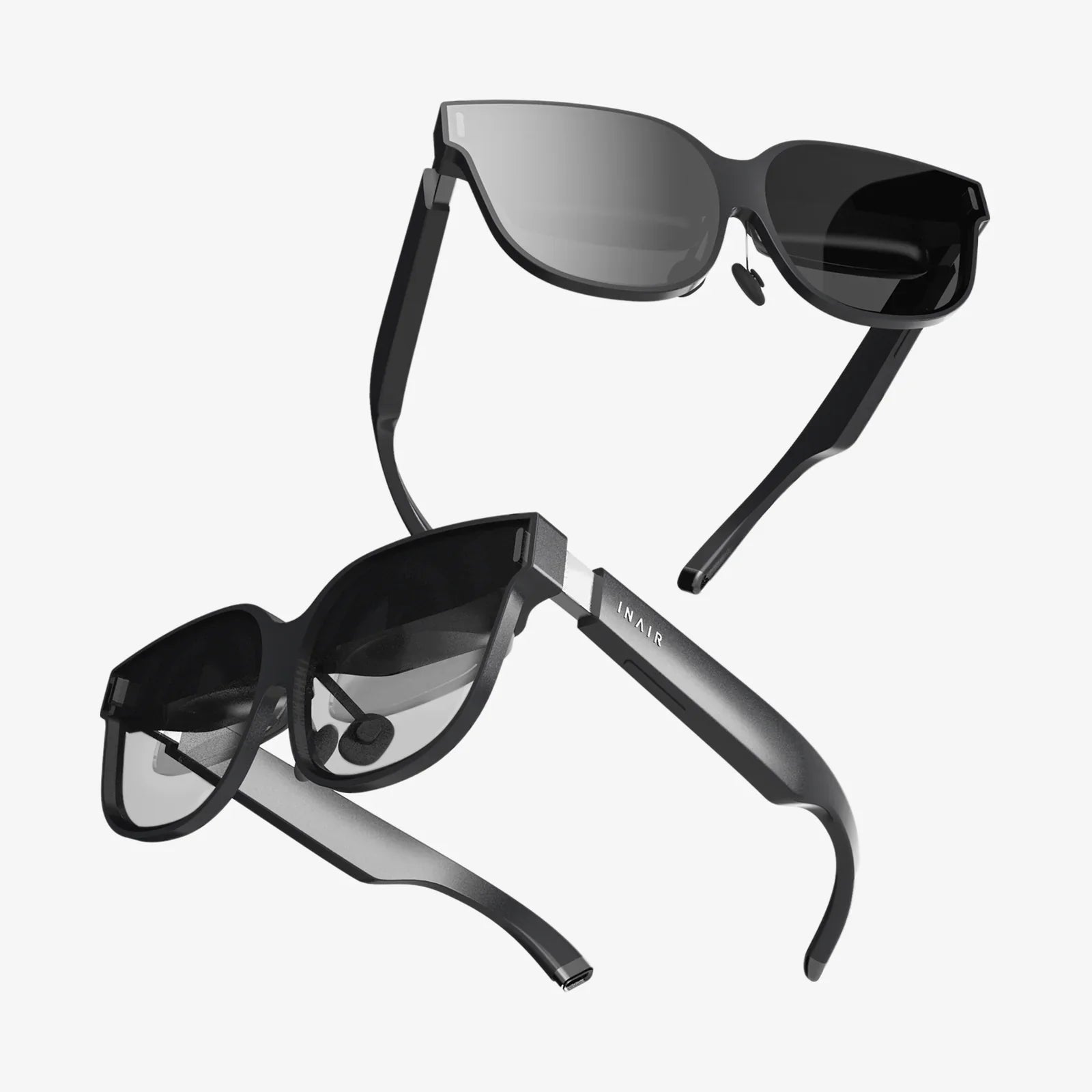
You’ve invested in high-performance AR coated glasses for a reason—crisper vision, reduced glare, and sharper contrast. But that investment feels worthless the moment you step from a cold room into humid air, or when you pull your mask up over your nose, and your lenses instantly transform into a milky, vision-obscuring mess. The frustration is real, and the search for a solution that actually works without damaging delicate coatings can feel endless. This isn't just about convenience; it's about safety, performance, and getting the value you paid for. The quest for the best anti-fog for AR coated glasses is a scientific and practical journey, and it ends here.
The Science of the Fog: Why Your Lenses Betray You
Before we can defeat the enemy, we must understand it. Fogging isn't magic; it's simple, frustrating physics. It occurs when warm, moist air—like the breath from your mouth or the humidity from a hot shower—comes into contact with a cooler surface, such as your lens. The temperature of the lens causes the water vapor in the air to rapidly condense into countless tiny droplets of liquid water.
It is the behavior of light hitting these droplets that creates the "fogged" effect. Instead of passing smoothly through the lens to your eye, the light scatters in every direction off the irregular surface of the water droplets. This random scattering of light creates a translucent or white appearance, completely obscuring your vision. The more significant the temperature differential and the higher the humidity, the worse and faster the fogging will occur.
The Delicate Nature of AR Coatings: Why They Demand Special Care
Anti-reflective coating is a marvel of optical engineering. Applied in microscopic, thin layers to the surface of a lens, its primary purpose is to reduce reflected light. This allows more light to pass through the lens, which translates to less glare, reduced eye strain, and better night vision. It also makes your lenses appear nearly invisible, improving aesthetics.
However, this high-performance coating has a vulnerability: its surface. The outermost layer of a premium AR coating is often an oleophobic (oil-repelling) and hydrophobic (water-repelling) layer. This is designed to repel skin oils and water, making the lenses easier to clean. Harsh chemicals, abrasive materials, and improper cleaning techniques can easily scratch, degrade, or completely strip away these delicate layers. Once damaged, the coating's performance is compromised, and it can become a magnet for smudges and debris. Therefore, any product deemed the "best anti-fog for AR coated glasses" must be explicitly formulated to be non-damaging and non-abrasive.
How Anti-Fog Solutions Wage War on Condensation
Anti-fog agents work primarily through one of two mechanisms, and understanding this is key to choosing the right product:
1. Surfactants (The Soap Method)
This category includes classic home remedies like diluted baby shampoo or soapy water. Surfactant molecules have one end that is attracted to water (hydrophilic) and one end that is repelled by it (hydrophobic). When applied to a lens, they create an invisible layer. The hydrophilic ends attract the condensing water droplets, forcing them to flatten out and form a uniform, transparent sheet of water instead of discrete, light-scattering beads. This "sheeting" effect maintains clarity.
Pros: Often inexpensive and readily available.
Cons: The effect is usually temporary. Surfactants can leave a filmy residue that attracts dust and dirt, and they often require reapplication after each cleaning. Many are not formulated for optical surfaces and can degrade coatings over time.
2. Hydrophilic Polymers (The Professional Method)
This is the technology used in most commercial, high-performance anti-fog sprays, wipes, and gels. These solutions deposit a durable, clear polymer layer onto the lens surface. This layer is permanently hydrophilic—it absolutely loves water. When moisture condenses, the polymer layer actively pulls the water into itself, creating that same uniform sheet of water that does not scatter light.
Pros: Provides a much longer-lasting effect than surfactants. Higher-quality formulations are designed to be non-abrasive and safe for delicate coatings. They are less likely to leave a residue.
Cons: Generally more expensive than DIY solutions. Quality varies greatly between brands.
Evaluating the Best Anti-Fog for AR Coated Glasses: A Buyer's Checklist
Not all anti-fog products are created equal. When searching for the right solution, use this checklist to guide your decision:
- Coating-Safe Formula: This is non-negotiable. The product must explicitly state it is safe for anti-reflective, anti-glare, and coated lenses. Avoid anything containing alcohol, ammonia, or other harsh solvents as a primary ingredient.
- Long-Lasting Performance: Look for products that promise hours of fog-free vision, not just minutes. Reviews are a great resource to verify these claims.
- Ease of Application: Is it a spray, a wipe, a gel, or a cream? Sprays often allow for a more even and controlled application, but pre-moistened wipes can be incredibly convenient for on-the-go use.
- Residue-Free Finish: The goal is clear vision, not a hazy film. Products should dry clear and not attract dust or lint.
- Multi-Surface Use: Many top-tier anti-fog solutions can also be used on sunglasses, goggles, mirrors, and camera lenses, adding to their value.
The Critical Application Process: Technique is Everything
You can have the best product in the world, but poor application will lead to poor results. Follow these steps for a flawless, long-lasting finish:
- Impeccably Clean Lenses: This is the most important step. Any dust, oil, or debris on the lens will be trapped under the anti-fog layer, creating permanent smudges. Use a lens-specific cleaner and a microfiber cloth to thoroughly clean both sides of each lens. Examine them under a light to ensure they are perfectly clean.
- Apply the Product: If using a spray, apply a small, conservative amount to one side of the lens. Do not oversaturate. If using a wipe, ensure it is evenly moistened but not dripping.
- Spread Evenly: Using a fresh, clean microfiber cloth, gently and thoroughly spread the solution over the entire lens surface, using small circular motions. Ensure complete coverage, paying attention to the edges.
- Buff Gently: After allowing the solution to sit for the time specified on the product's instructions (usually 30-60 seconds), use a dry portion of your microfiber cloth to gently buff the lens until it is completely clear and streak-free. Avoid rubbing aggressively.
- Repeat: Repeat the process on the other side of the lens.
Beyond Products: Lifestyle Tips for Managing Fog
A great anti-fog solution is your first line of defense, but these supplemental strategies can help manage the problem:
- Mask Adjustment: When wearing a face mask, ensure it has a tight nose wire and fits snugly across the top of your cheeks. This helps direct your exhaled breath downward and away from your lenses.
- Ventilation: For sports goggles or safety glasses, choose styles with adequate venting to allow air circulation, which prevents moisture buildup.
- Temperature Acclimation: When possible, try to allow your glasses to gradually adjust to temperature changes rather than making a sudden transition.
- Proper Storage: Always store your glasses in a hard case when not in use to protect the coatings from scratches and environmental contaminants.
What to Absolutely Avoid: Protecting Your Investment
In your fight against fog, never resort to these damaging techniques:
- Spitting in Your Lenses: Saliva is acidic, contains bacteria, and will leave a disgusting film that is difficult to remove and can etch coatings.
- Household Glass Cleaners: These are formulated for hard glass and almost always contain ammonia and other chemicals that will permanently destroy AR coatings.
- Rubbing with Abrasive Materials: Paper towels, tissues, your shirttail, or rough cloths will microscratch the coating, creating a permanent haze.
- Harsh Chemicals: Acetone, nail polish remover, or solvent-based cleaners will dissolve the thin layers of your AR coating instantly.
The haze that clouds your AR coated lenses is a formidable opponent, but it’s not an invincible one. The battle is won through a combination of intelligent product selection rooted in an understanding of lens science and a meticulous application process that treats your precision optics with the care they demand. By choosing a coating-safe, polymer-based formula and applying it to a perfectly clean surface, you reclaim the crisp, glare-free vision you paid for. You can finally walk indoors without hesitation, wear a mask without frustration, and tackle your day with absolute visual clarity. The world is waiting in high definition—it’s time to see it again, completely fog-free.
Share:
VR Design Agency: The Architects of Immersive Digital Realities
Home Cinema Wireless Streaming: The Ultimate Guide to a Tangle-Free Theater Experience